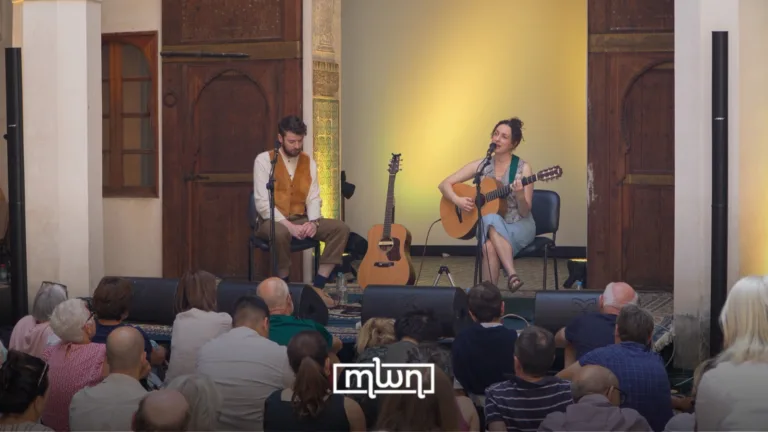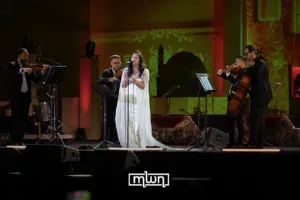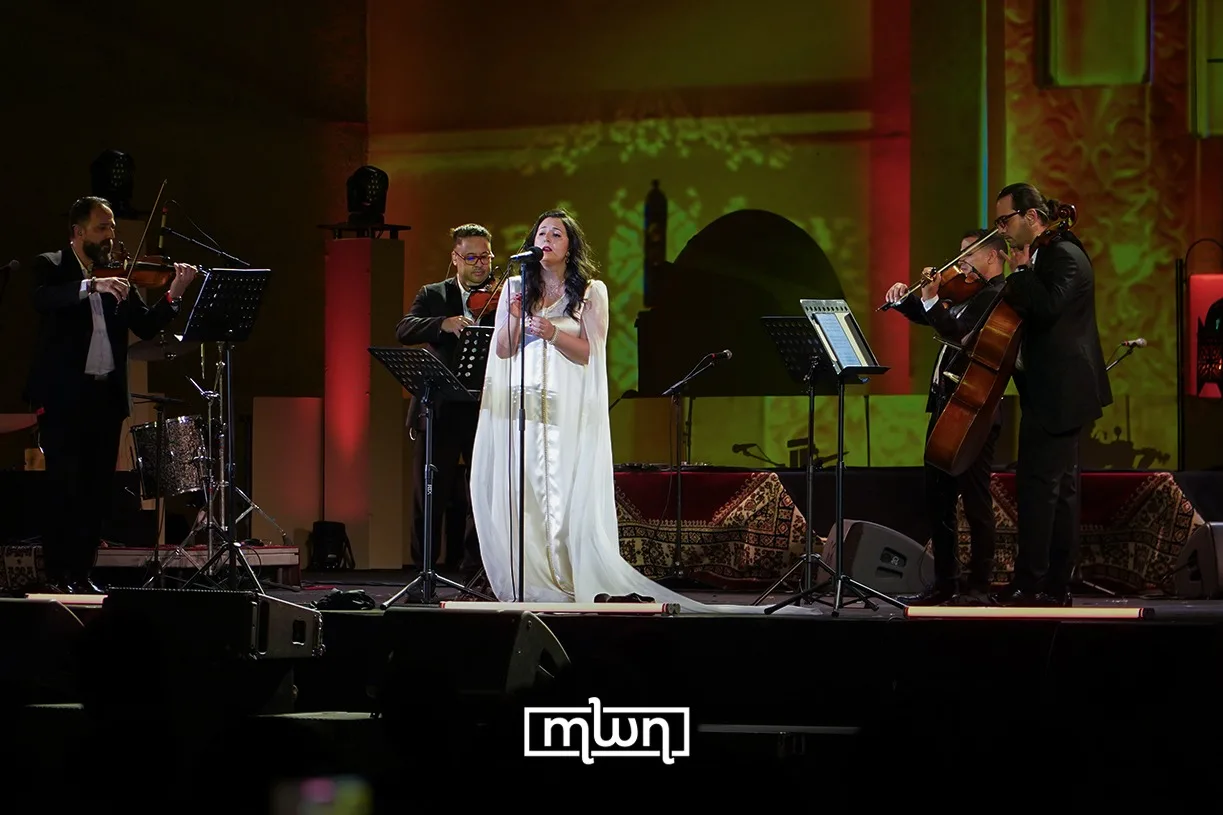
Fez– In a festival where musical traditions from across the world meet and echo against one another, Nabyla Maan returned to a question that sits at the core of her artistic practice: how does a heritage survive without becoming static?
For the Fassi singer and composer, the answer begins not in archives or theory, but in lived experience, in the city of Fez itself, where memory, sound and emotion remain tightly interwoven.
For Maan, Fez is not simply a birthplace but a constant presence inside her work.
The city, she says, shaped her sensibility long before she became an artist in her own right, offering an emotional and musical environment that continues to inform how she listens, writes and reinterprets.
“It is the whole city that is part of me, and I am part of this city”, she explains to MWN Lifestyle magazine, describing a relationship that is less about belonging than about continuity, as if the city and the individual cannot be separated without losing part of their meaning.
That sense of continuity extends into her approach to Moroccan musical heritage.
Rather than treating tradition as something fixed to be preserved intact, Maan sees it as a living body of work that gains strength through reinterpretation.
For her, survival is linked to movement: the ability of a musical form to evolve while retaining its core identity.
“The music that has endured over time is the one that we were able to take and modernize,” she says.
“We keep the base, we keep the music in its original framework, and then we add a touch of modernity so that it can be transmitted to generations who may not necessarily listen to it in its traditional form.”
This act of transformation, she insists, is not a break with heritage but a way of extending its reach.
By reshaping traditional materials through contemporary arrangements and sensibilities, she seeks to reconnect younger audiences with sounds that might otherwise feel distant or inaccessible.
In this sense, modernity becomes a passage back rather than a departure forward.
Her process is grounded in ongoing research into Moroccan musical traditions, a practice she describes as both intellectually engaging and personally fulfilling.
It is through this work that she explores the richness of regional styles, historical repertoires and stylistic nuances, gradually building a language that allows tradition and reinterpretation to coexist.
“I feel a lot of pleasure when I do research on Moroccan traditional music, and when I work on reinterpreting it,” she says.
Behind this engagement lies a quieter but persistent sense of responsibility.
For Maan, being from Fez and belonging to Moroccan musical heritage naturally implies a connection to its preservation and evolution.
Yet she resists framing this as an external obligation. Instead, she speaks of it as something internal, almost instinctive, a practice rooted in attachment rather than duty.
“It is not only a responsibility,” she notes. “It is something I love doing.”
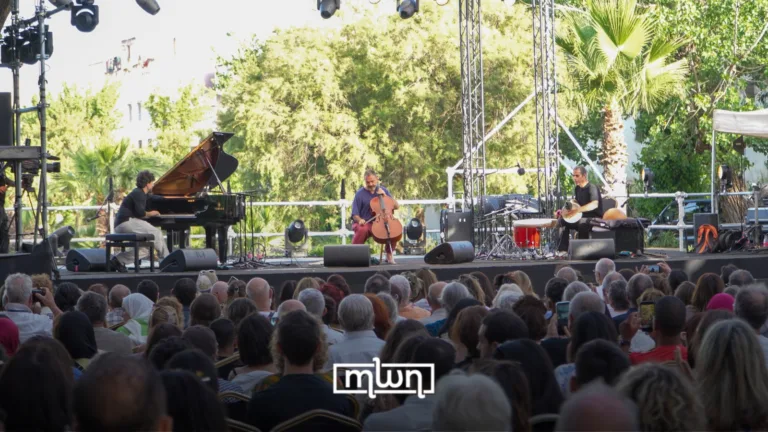
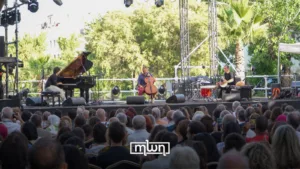
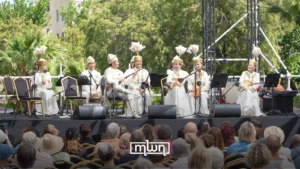
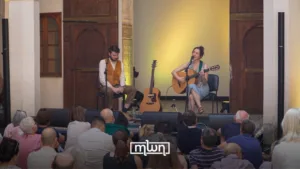
Within the broader landscape of the Fez Festival of World Sacred Music, her reflection resonates with a programme built around dialogue between traditions and generations.
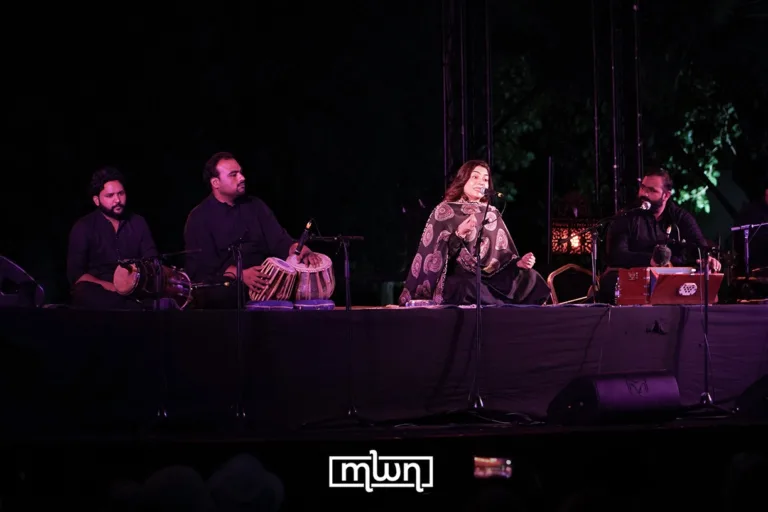
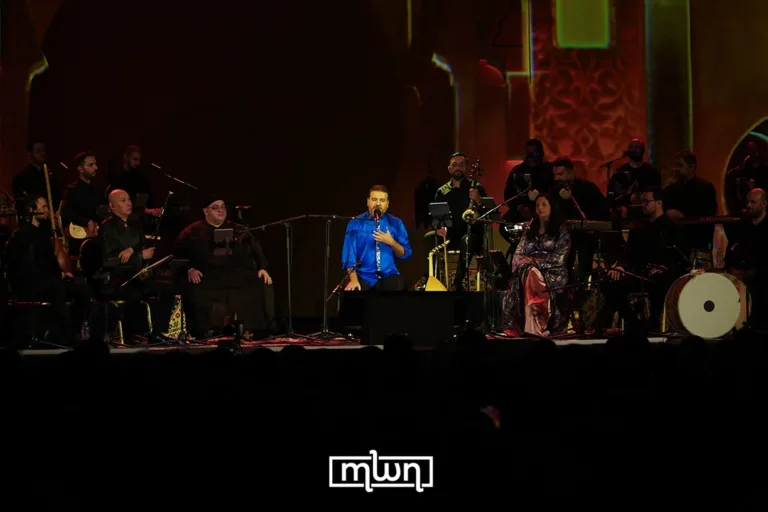
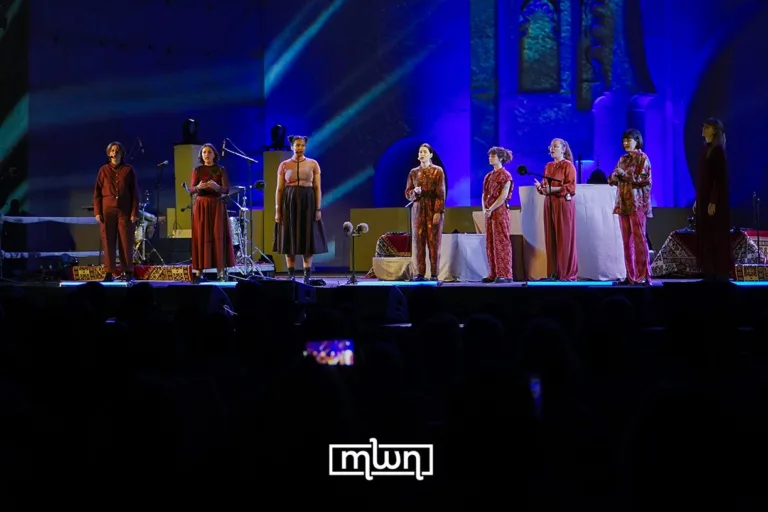
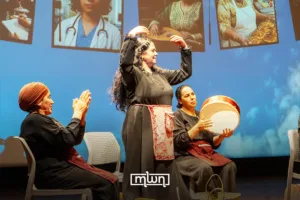
The second night has brought together voices as varied as Ghada Shbeir’s Aramaic chants, Kaushiki Chakrabarty’s classical Indian repertoire, Kat Frankie’s contemporary vocal ensemble Bodies, and the Amazigh women of Ahwach Isaffen, each rooted in a distinct musical universe, yet connected through themes of transmission, memory and collective expression.
In that context, Maan’s work offers a perspective grounded in Moroccan musical identity, but open to reinterpretation and exchange.
It reflects a broader question running through the festival itself: how traditions remain alive not by being preserved in stillness, but by continuing to be reimagined by those who inherit them.
For Nabyla Maan, that reimagining begins in Fez, and continues every time a familiar melody is reshaped, carried forward, and heard again in a new form.