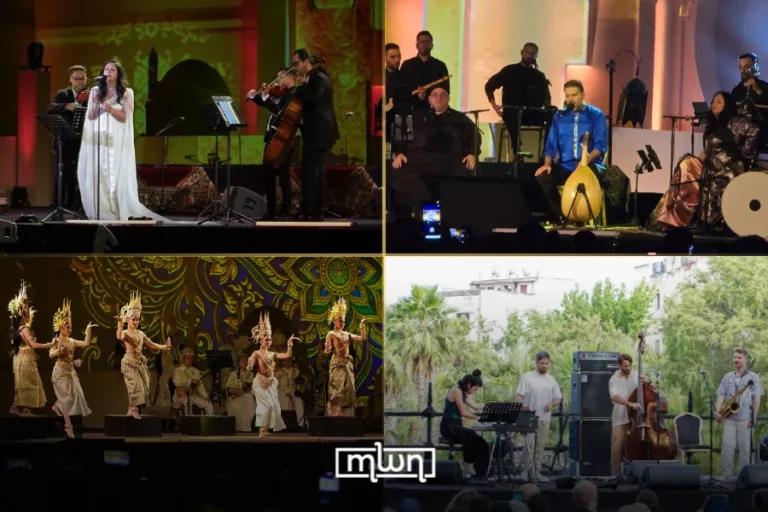
Fez — Jnan Sbil brings a different kind of magic to the Fez Festival of World Sacred Music. It is softer than Bab Makina, more intimate than the grand stage, and closer to the senses.
Inside the garden, performances feel more alive. The air is cooler, the trees cast shade over the audience, and the sound of flowing water gives the venue a natural rhythm before the music even begins.
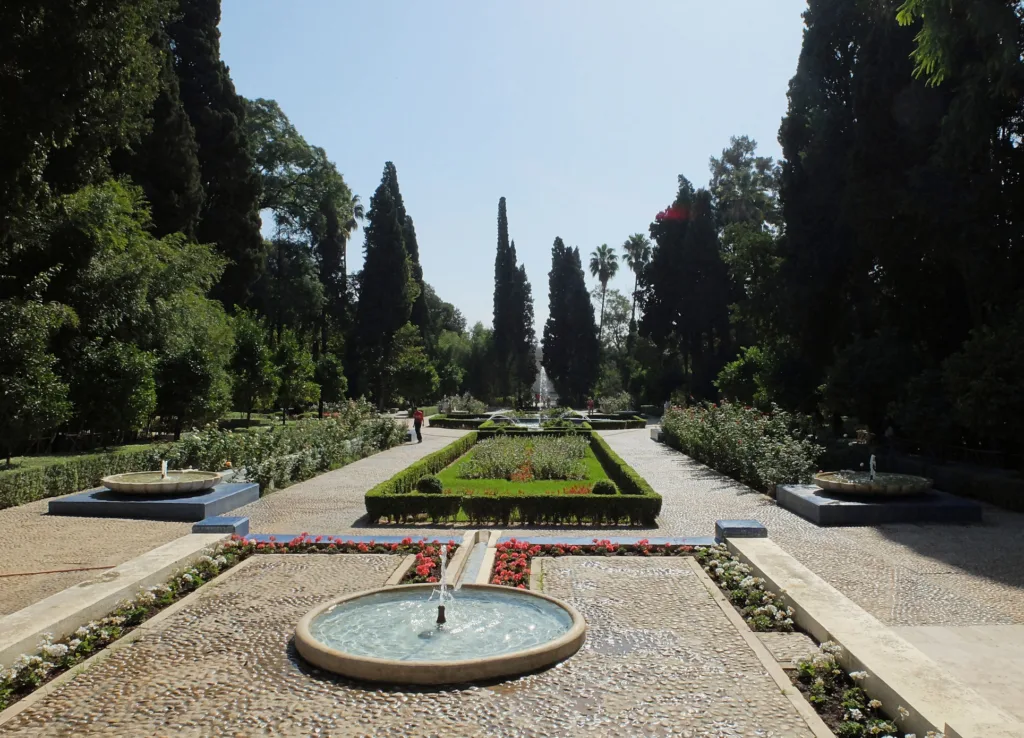
The ambience is what makes Jnan Sbil special. Birds chirp through the early evening, the breeze moves gently through the leaves, and by night, frogs sometimes become part of the ambient backdrop. The place feels like a mystical garden where nature listens with the audience.
A venue shaped by breath and silence
Jnan Sbil works because it gives sacred music room to breathe. The audience is not swallowed by scale. It sits close to the performance, surrounded by greenery, water, and the soft movement of the garden.
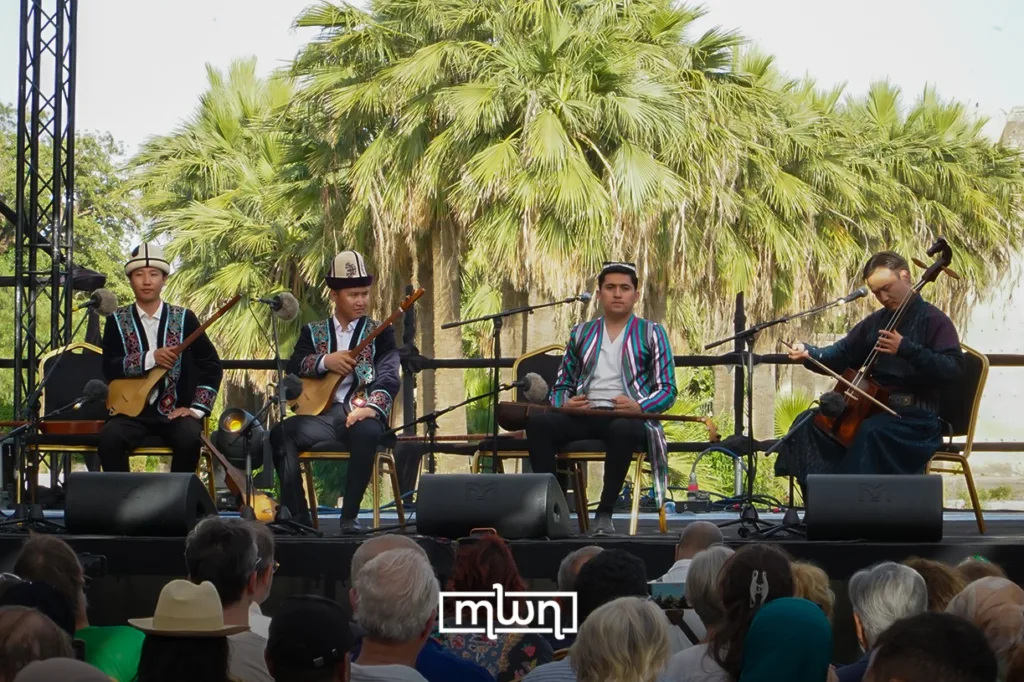
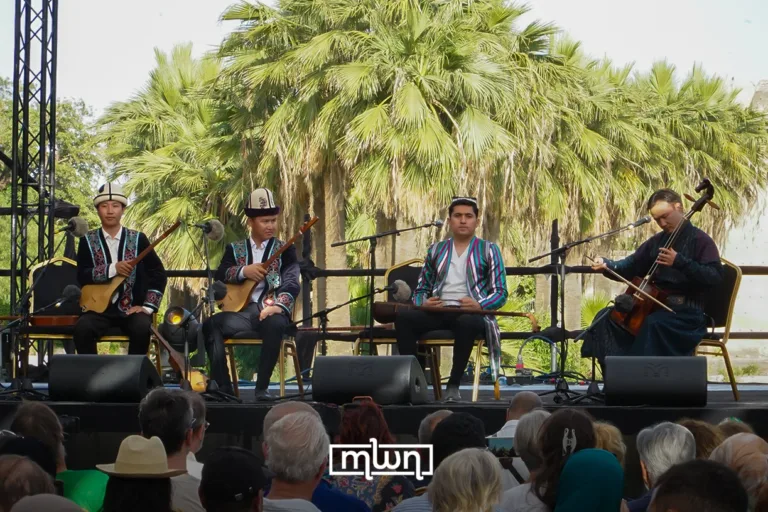
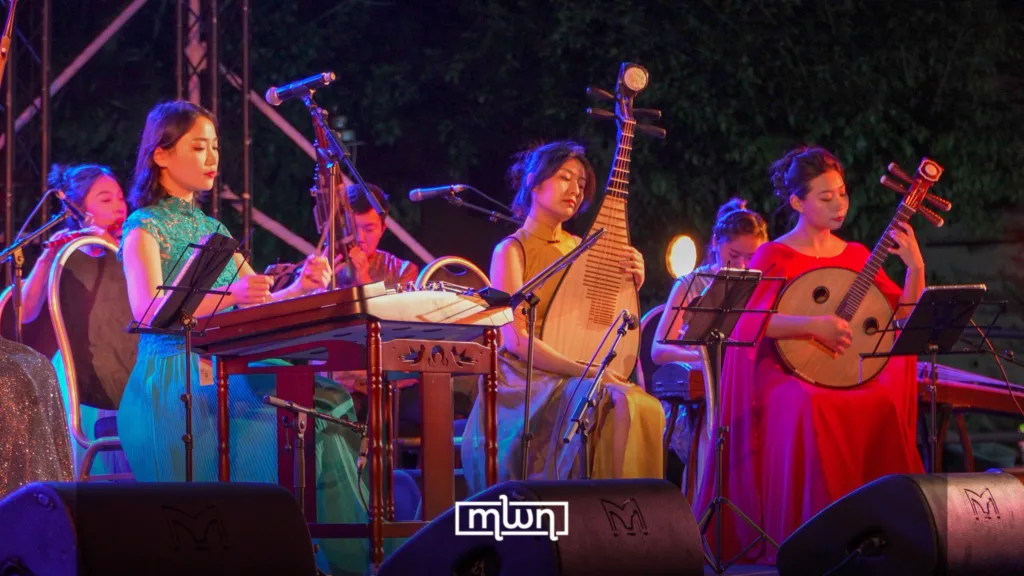
During this year’s festival, that setting gave several shows a rare texture. Chinese chamber music felt delicate under the trees. Central Asian traditions carried a sense of open landscape.
Mongolian throat singing, Uzbek melody, and Kyrgyz komuz rhythms seemed even more striking against the garden’s living sounds.
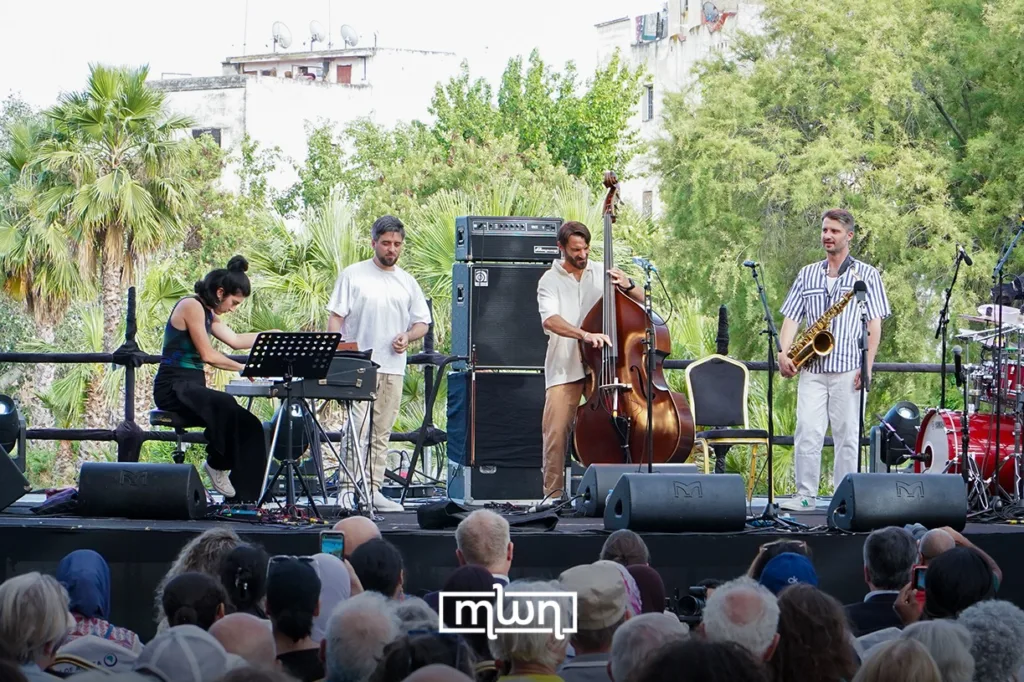
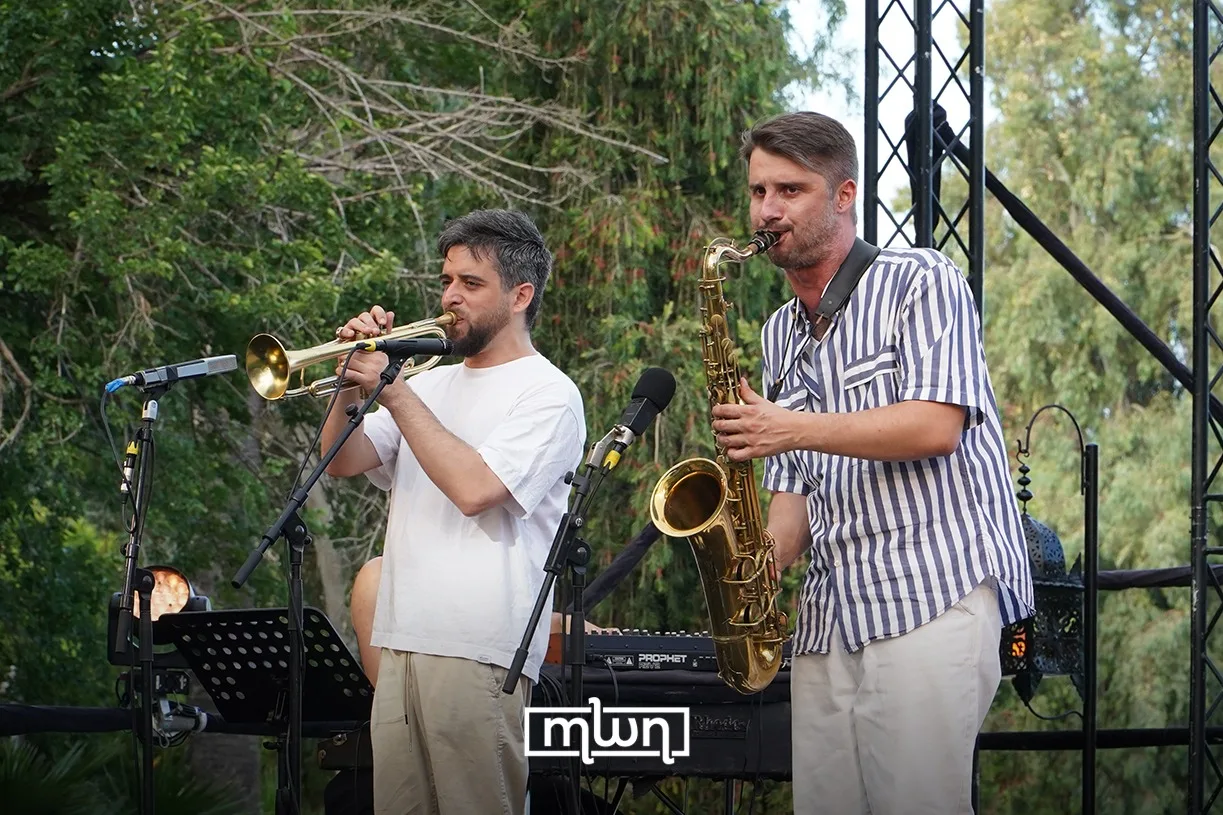
Léon Phal showed how Jnan Sbil can turn modern jazz into something almost ritual. His “Stress Killer” set moved through groove, improvisation, funk, soul, electro, and drum’n’bass while the garden kept everything grounded in its soft evening air.
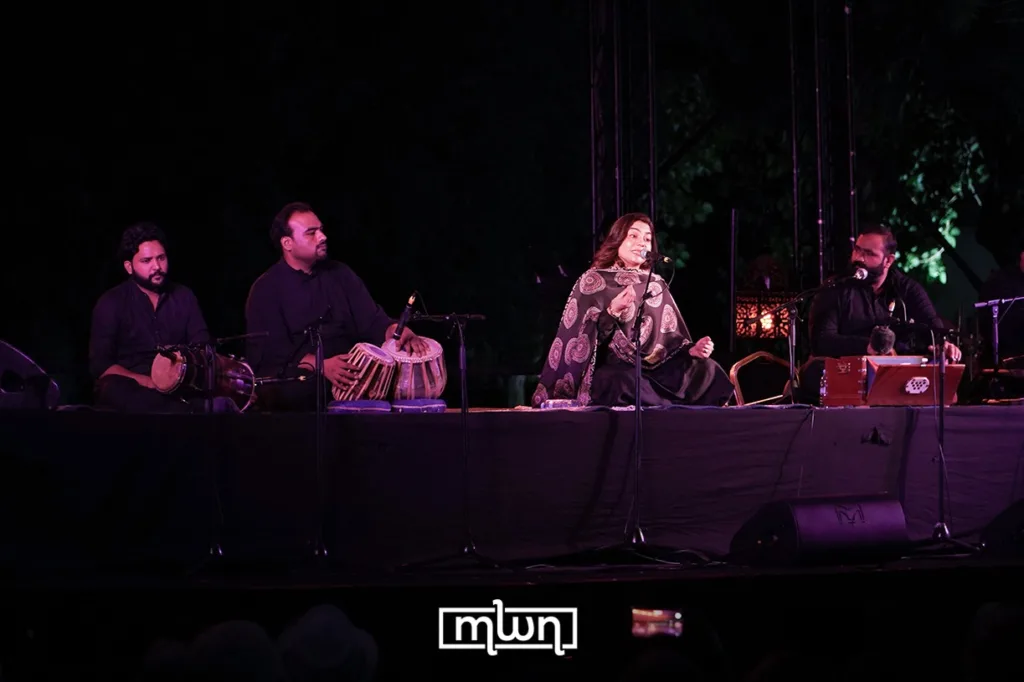
Sanam Marvi later showed the garden’s deeper late-night power. After Sami Yusuf’s major concert at Bab Makina, her Sufi voice brought Jnan Sbil into Sufi stillness, with longing and devotion rising through the trees.
The venue’s charm is in how little it needs to do. Its freshness, shade, birds, water, frogs, and cool air create a mood no indoor hall can imitate. At Jnan Sbil, the festival feels less like a program and more like a moment one enters slowly.