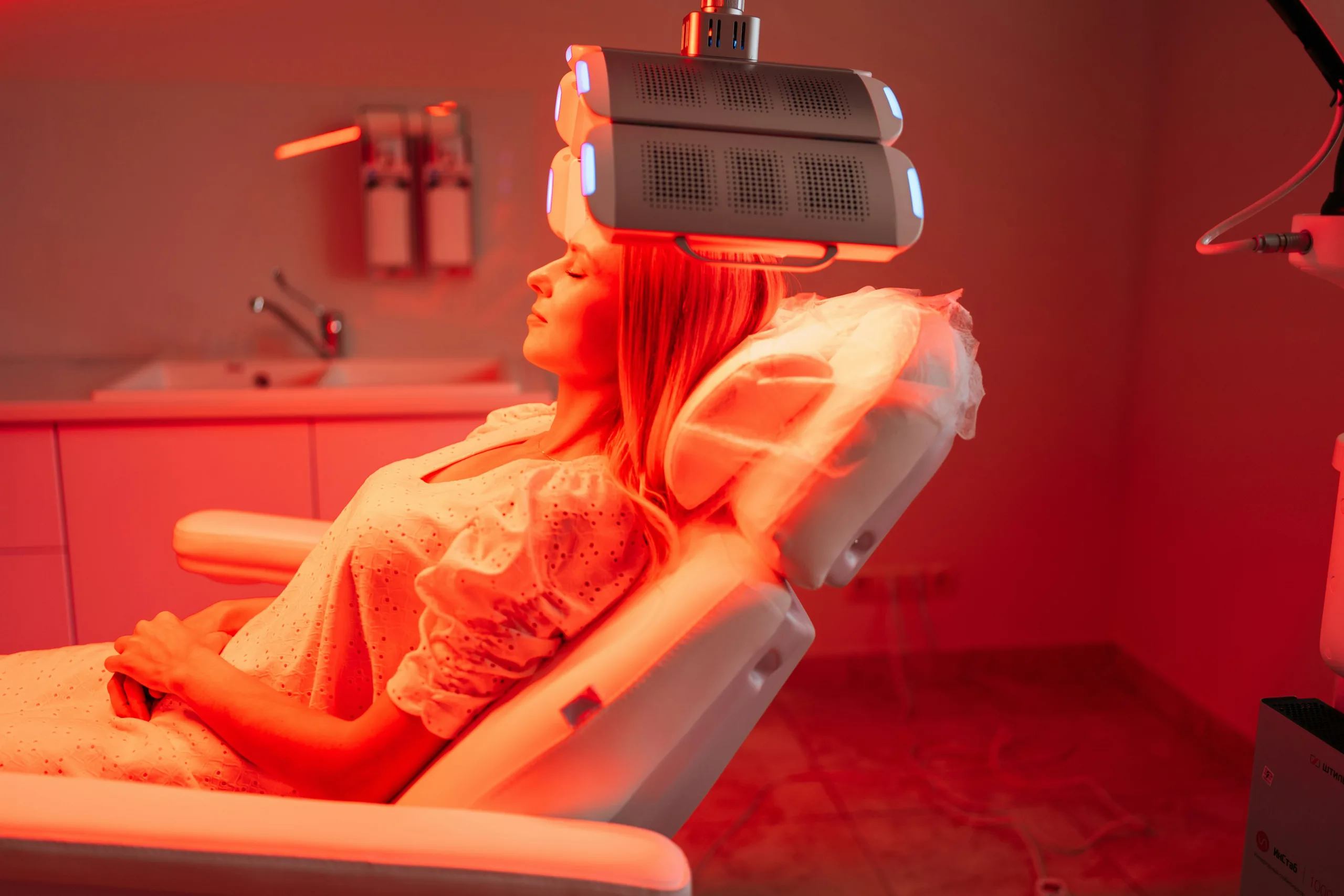
Fez — Red light therapy has become one of the most visible wellness trends, moving from dermatology clinics into homes through masks, panels, and handheld devices.
Also known as photobiomodulation, the treatment uses low-level red or near-infrared light on the skin. Supporters say it helps improve skin texture, support recovery, reduce inflammation, and ease certain types of pain.
The appeal is clear. Red light therapy is non-invasive, painless, and does not require downtime. Still, the science is more measured than the marketing.
What red light therapy can do
For skin, the strongest public interest centers on fine lines, redness, texture, and collagen support. The American Academy of Dermatology says red light therapy appears safe in the short term, though long-term effects on skin and hair are still unclear.
Cleveland Clinic notes that the treatment is generally considered safe when used as directed, but also stresses that more research is needed for many popular claims.
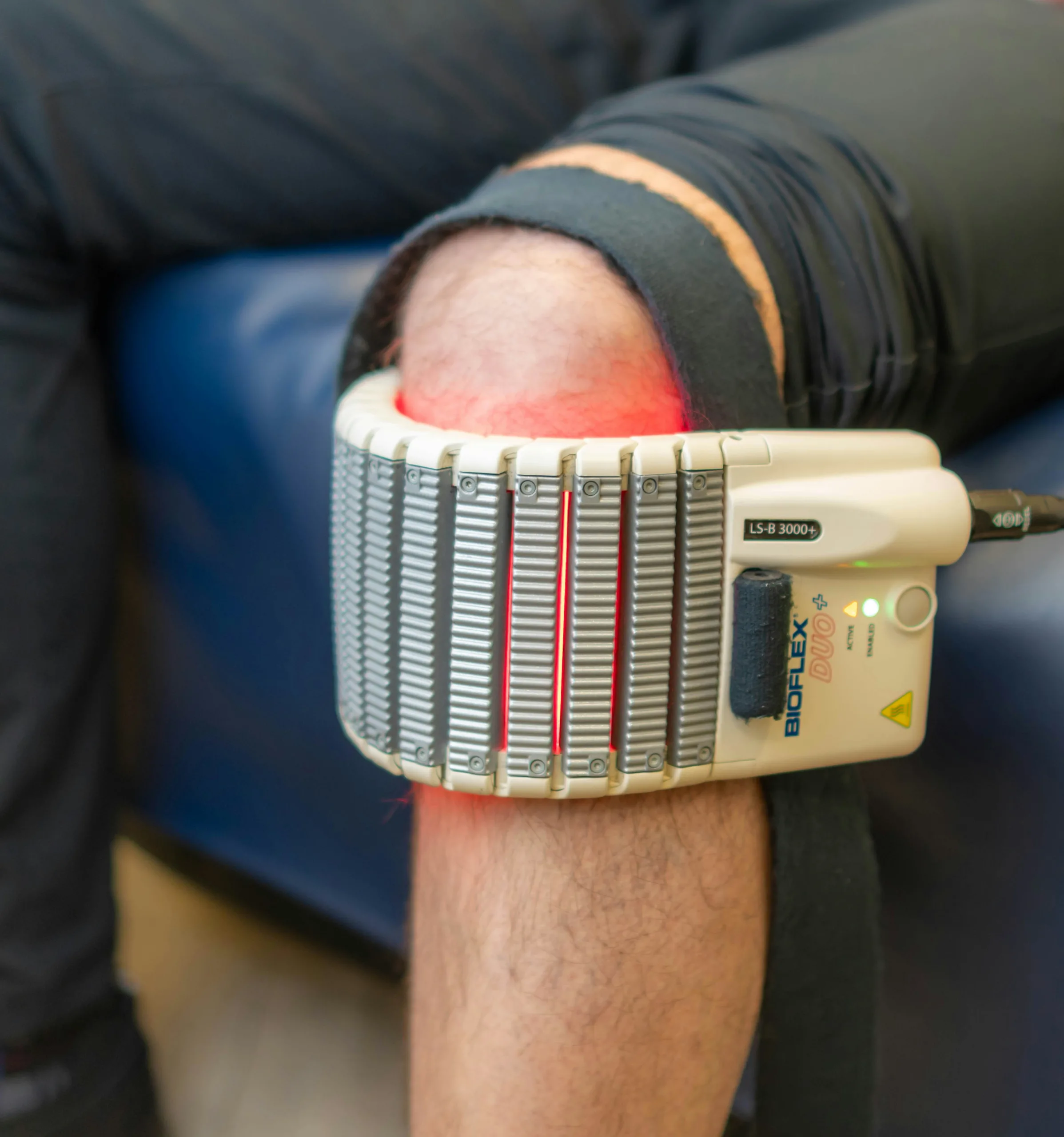
There is also some evidence for pain relief. A 2024 review on knee osteoarthritis found that photobiomodulation can reduce pain and improve disability, while calling for clearer dosage guidelines.
Hair growth is another area of interest. A review of low-level light therapy for male and female pattern hair loss reported positive effects in the randomized trials it analyzed, with no side effects reported in those selected studies.
Is it worth it?
Red light therapy may be worth it for people who want a gentle add-on for skin quality, mild pain, recovery, or early hair thinning. It is less convincing as a standalone fix for serious skin disease, chronic pain, or major hair loss.
The best results usually come with consistency. Users should think in weeks or months, not days. A person expecting a dramatic facelift effect from an LED mask will likely be disappointed.
Cost also matters. Clinic sessions can add up, and at-home devices vary widely in quality. Before buying one, consumers should check whether the device is FDA-cleared and understand what that means. In the US, the FDA explains that 510(k) clearance means a device is substantially equivalent to a legally marketed device, not that it has been approved like a drug.
Morocco’s Ministry of Health and Social Protection requires medical device registration dossiers to go through the Directorate of Medicines and Pharmacy. For consumers, the practical takeaway is simple: avoid suspicious online devices with no clear manufacturer, no technical details, and no safety instructions.
How to use it properly
The safest approach is to follow the device manual. Wavelength, power, distance, and treatment time differ from one product to another.
Most home routines involve clean, dry skin and short sessions, often several times a week. More is not always better. Overuse can cause warmth, irritation, or discomfort.
Eye protection is essential. Users should not stare directly into the lights and should wear protective goggles when the instructions recommend them.
People taking light-sensitive medications, those with eye disease, active cancer concerns, or medical skin conditions should speak with a doctor before using red light therapy.
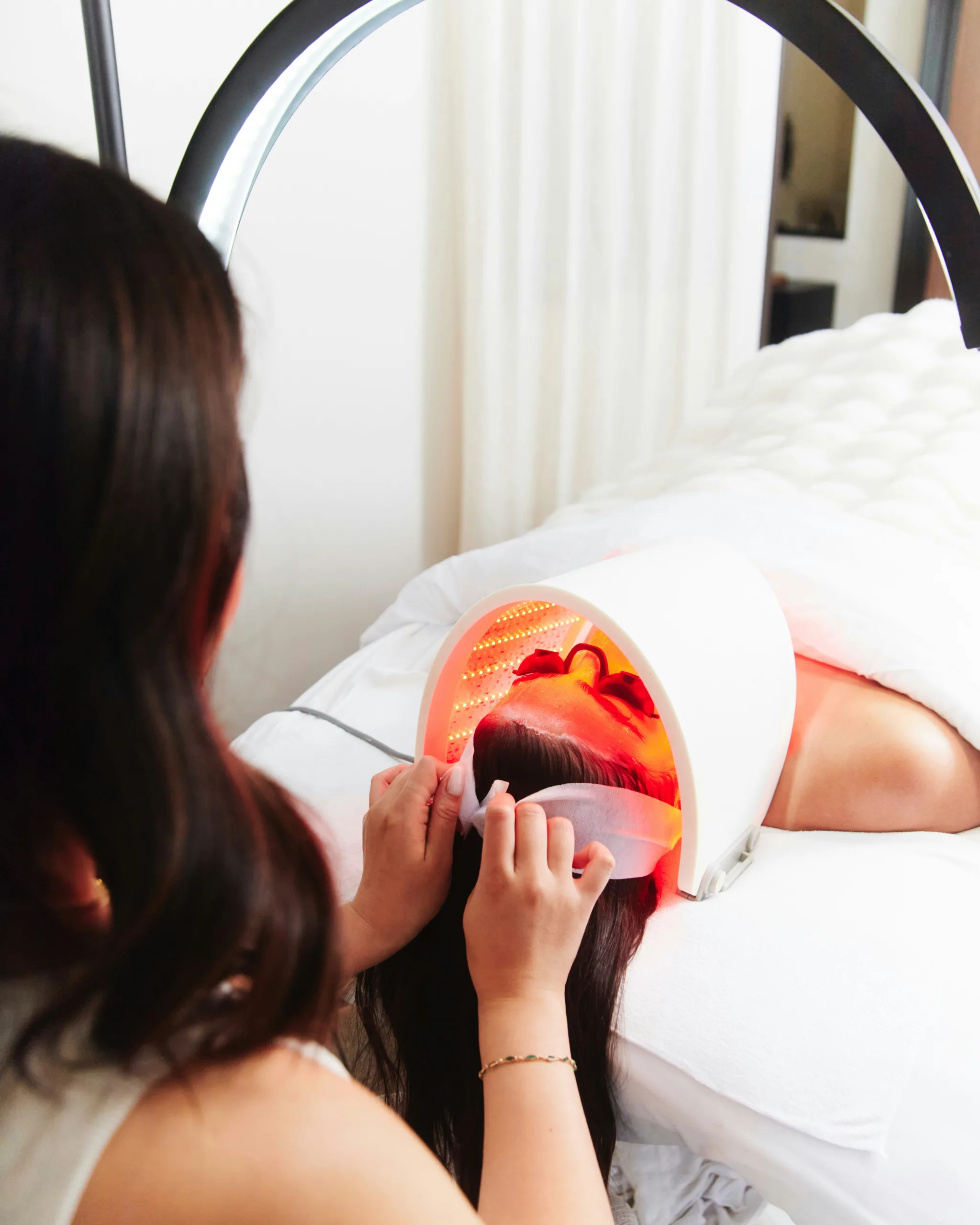
The treatment should also be used on bare skin unless the device instructions say otherwise. Strong acids, retinoids, or irritating products should be used carefully around red light sessions.
Red light therapy is not useless, but it is often oversold. The most reasonable view is that it can support gradual improvements in selected cases, especially when paired with proven routines.
It should not replace sunscreen, medical care, sleep, exercise, or prescribed treatment. Its value lies in careful, consistent use rather than quick promises.