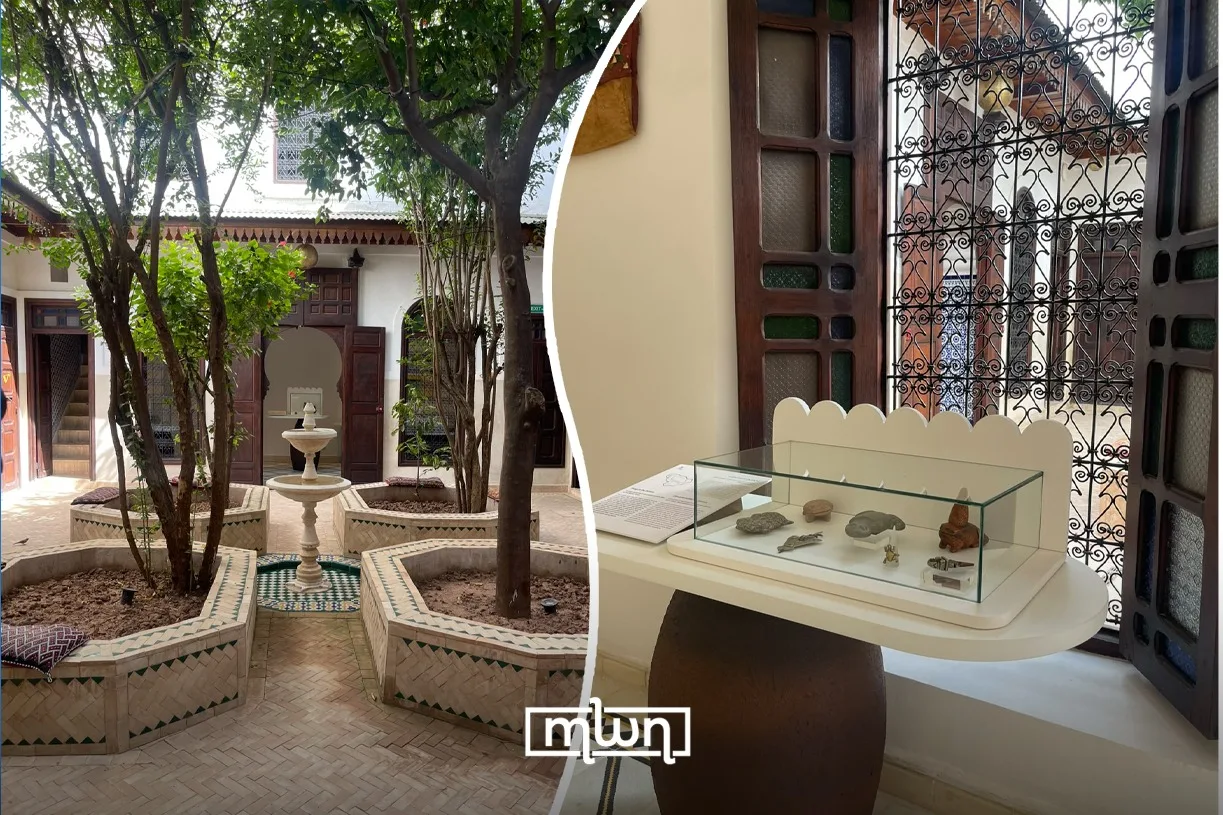
Fez — In the heart of Marrakech’s historic medina, Marrakesh-Timbuktu is presenting itself as a cultural passage between Morocco, the Sahara, and West Africa, built around the private collection and intellectual legacy of Dutch anthropologist Bert Flint.
“Marrakesh-Timbuktu is more than an exhibition gallery; it is a place where the stories, artistry, and cultural exchanges between Morocco and sub-Saharan Africa come to life,” owner Joost Flint, Bert Flint’s nephew, told MWN Lifestyle magazine.
“Through the private collection of Bert Flint, we invite visitors to discover a shared heritage that continues to inspire dialogue across cultures.”
The gallery is housed in a restored traditional house in the medina and invites visitors to follow the old caravan routes that once linked Marrakech to Timbuktu and West Africa.
A journey along forgotten routes
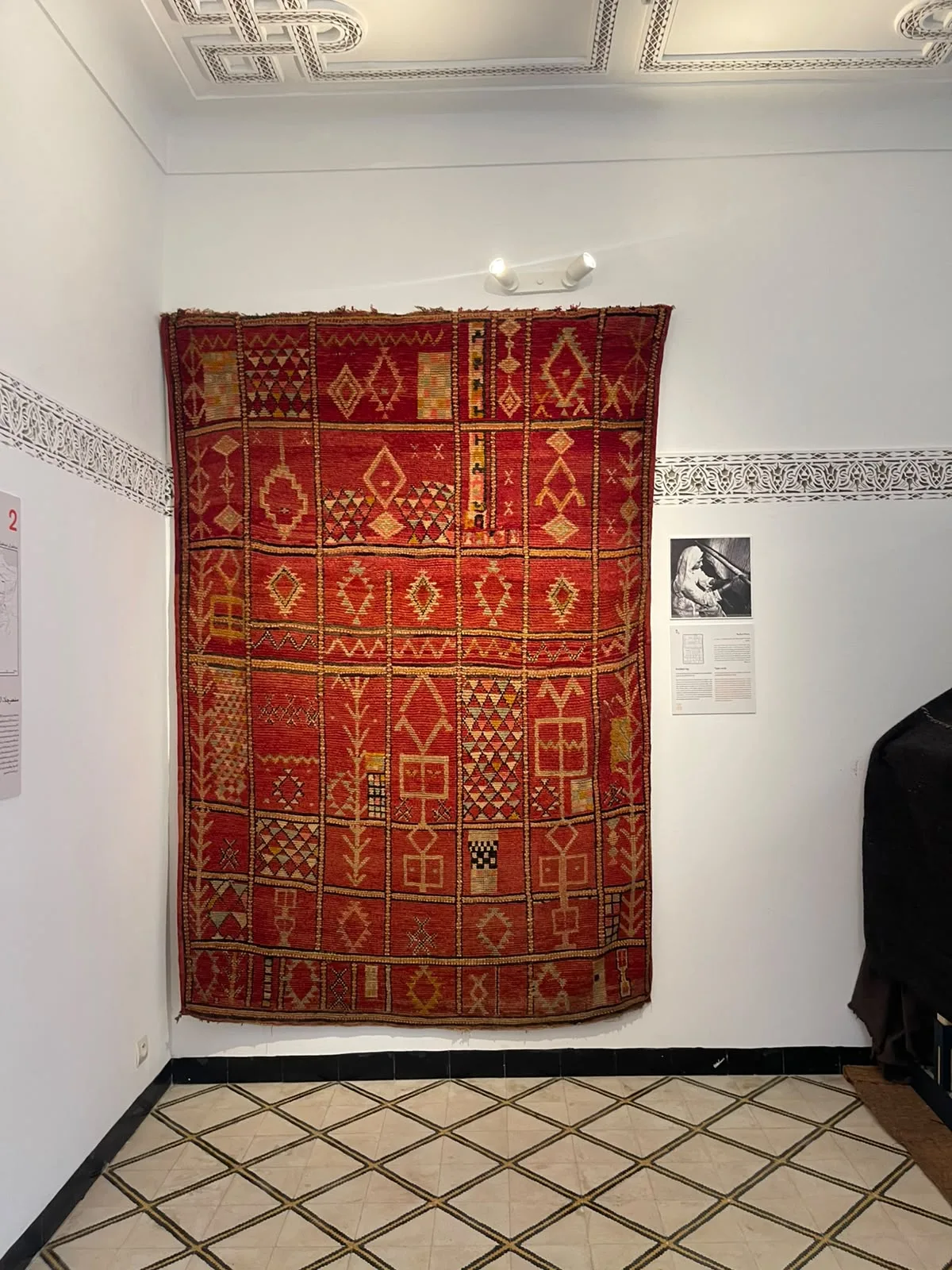
The experience is designed as a route rather than a simple visit. Visitors move through themed spaces exploring Amazigh, Tuareg, and West African communities through textiles, jewelry, architecture, photographs, ritual objects, and oral traditions.
The gallery’s official website says visitors can “step inside an ancient private house” and begin a passage from Marrakesh to Timbuktu, following routes connected to Moroccan Amazigh, Tuareg, and West African communities.
It also presents Bert Flint as a collector who saw rural art as a language of protection, prestige, and belonging.
That framing gives the project a clear mission: to recover stories that are often treated as peripheral, even though they sit at the center of Morocco’s historical links with Africa.
The legacy of Bert Flint
Bert Flint devoted decades to documenting rural and Amazigh arts in Morocco and the wider Sahara. “Marrakesh-Timbuktu” builds on that work by treating everyday objects not as decorative items, but as testimonies of identity, craftsmanship, migration, and exchange.
Alongside its permanent collection, the space also hosts temporary exhibitions. Its current exhibition features photographs of southern Morocco by Dr. Boris Witjas from the 1960s and 1970s, offering a rare visual record of Amazigh communities and rural life during a period of major social change.
After the exhibition, visitors can also pause on the gallery’s rooftop oasis overlooking the medina, a quiet space that extends the journey beyond the rooms and into reflection.
Located at Derb Boutouil 33B, near Jemaa el-Fnaa, “Marrakesh-Timbuktu” adds another layer to Marrakech’s cultural landscape.
At a time when heritage is often reduced to tourism, the gallery offers a slower encounter with history, reminding visitors that Morocco’s identity has long been shaped by movement, exchange, and dialogue across the Sahara.