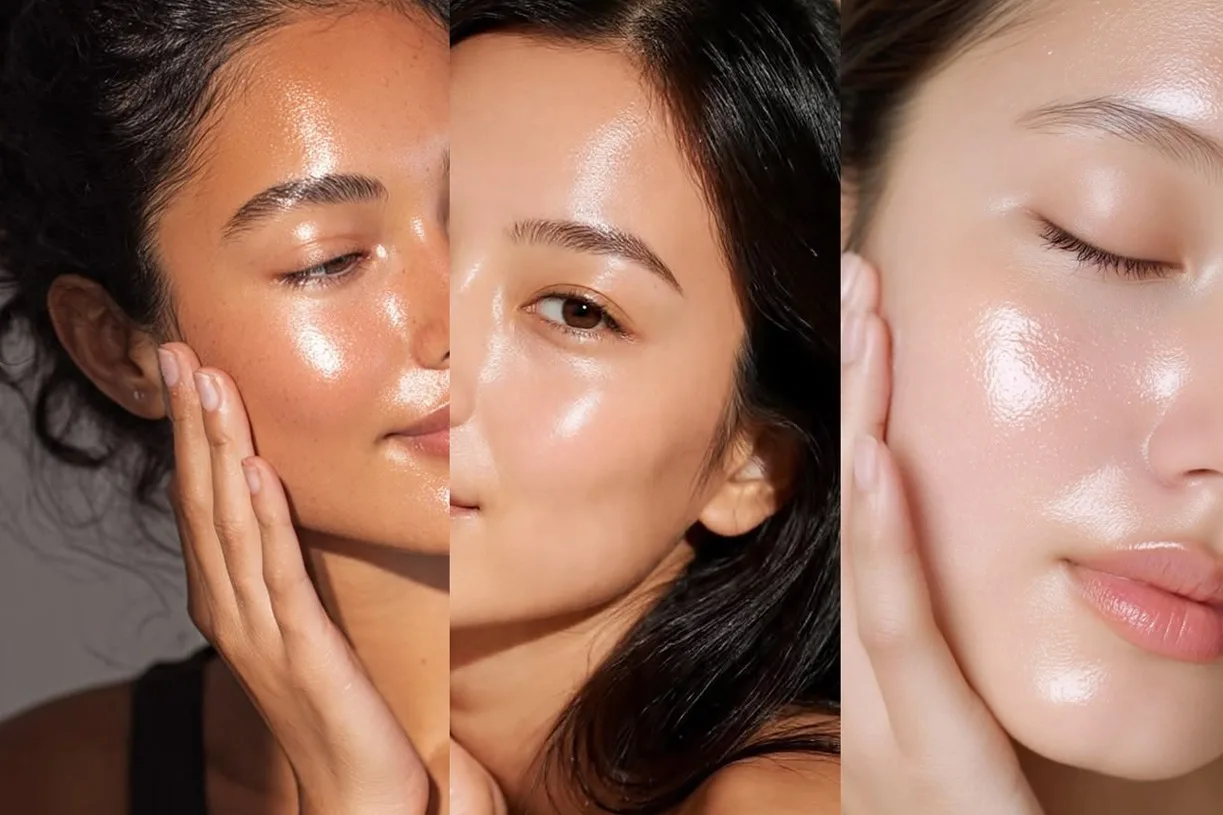
Rabat – Chances are you’ve come across flawless, glowing complexions with skin so smooth it almost looks reflective.
Dubbed “glass skin,” the beauty trend has become one of the most recognizable skincare ideals across social media, beauty campaigns, and celebrity routines.
But while the look continues to dominate online, dermatologists say the term describes a cosmetic appearance rather than a specific skin type.
Achieving it depends on factors such as skin health, hydration, genetics, and consistent skincare, making the coveted finish more attainable for some than others.
The science behind the glow
While “glass skin” is rooted in Korean skincare philosophy, experts say the internet has transformed it into something universal that is far more difficult to achieve.
Speaking to Vogue, the licensed aesthetician and Superegg founder Erica Choi stated that, “Overall, the glass skin trend reflects a broader desire for natural-looking beauty, and consumer practices prioritising effortless beauty routines and a ‘high-maintenance to be low-maintenance’ mindset.”
Dermatologists are also urging consumers to keep their expectations realistic.
According to the American Academy of Dermatology, moisturizing and daily sunscreen are genuinely beneficial, but chasing a perfectly poreless complexion can lead people to overuse of products, increasing the risk of irritation, clogged pores, and breakouts.
More than a skin routine
This trend is a story about how beauty standards have shifted from full-coverage makeup, to the appearance of naturally flawless skin.
According to Rejoo Clinic, genetics, lighting, makeup, and even camera filters all influence the final result, making the ideal less attainable than social media often suggests. So, “glass skin” is a look, not a skin type.