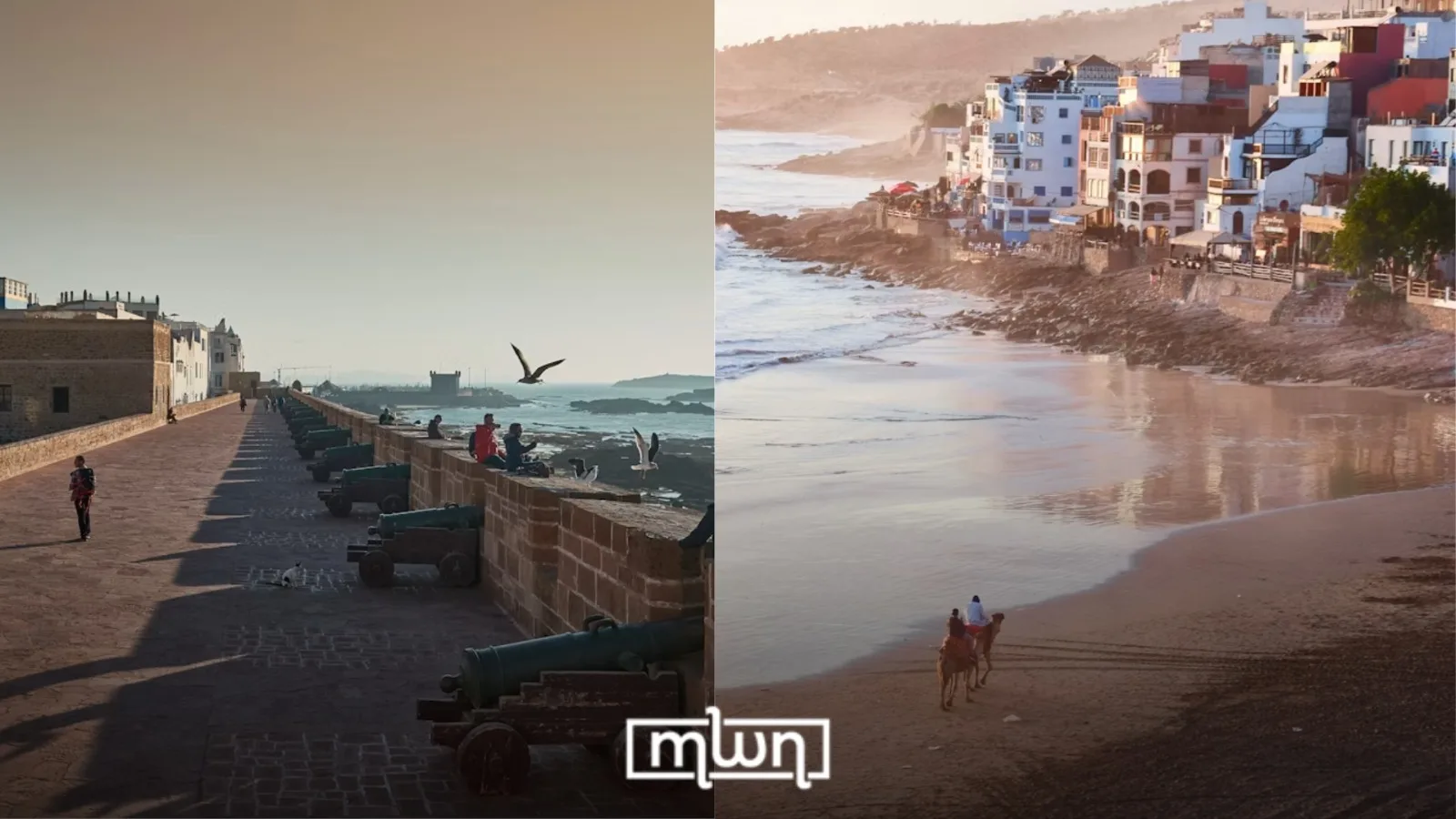
Rabat – Boho style feels almost native to Morocco’s Atlantic coast, where flowing dresses, loose trousers, and embroidered pieces define the relaxed, artsy fashion scene of Essaouira and Taghazout.
“Boho” is not an official term in Moroccan dress traditions, nor is it a formally recognized cultural or fashion category.
It is a broad, informal fashion label that originated outside Morocco and is used loosely by travelers, retailers, and outside observers to describe a range of styles.
Still, the association between this style and these two towns is not random, with their documented histories helping explain how this aesthetic became so visible in both destinations.
The history of ‘boho’ fashion
The “boho-chic” aesthetic, defined by relaxed silhouettes, layered textiles, natural materials, and handmade accessories, traces its roots to the counterculture movements embraced by young travelers and artists in the 1960s and 1970s.
Vogue places the term’s origins in 19th-century Paris, where artists embraced unstructured clothing as a form of nonconformity.
Taghazout’s ‘boho’ version
According to a report by Smithsonian Magazine, Taghazout became a stop along Morocco’s so-called “hippie trail” in the 1960s, attracting international travelers linked to the era’s countercultural movements.
The report states that some of these travelers, charmed by Taghazout, eventually settled in the town and built surf businesses, contributing over time to the town’s shift to an economy centered on surfing and tourism as we know now.
Essaouira’s documented multicultural and creative history
Essaouira’s connection to a “bohemian” reputation rests on a different, older narrative.
According to the UNESCO’s World Heritage listing, Essaouira served for centuries as a hub for Amazigh, Arab, African, and European populations to interact and exchange cultural aspects.
Essaouira’s craftsmanship makes it easy for visitors to bring the city’s aesthetic into what they actually wear.
As the Moroccan National Tourist Office describes, the city is alive with its artisans working with thuja wood, silver, wool, and raffia, creating a world of jewellery and decorative objects that catch everyone’s eye.
For many visitors, wearing “boho” in this city is a way of blending into Essaouira’s artistic atmosphere and carrying a little of the city’s identity with them.
In a city shaped by craftsmanship, artisanal dressing feels less like following a trend and more like reflecting the character of the place.
Two towns, one spirit
Although Taghazout and Essaouira have different identities, their fashion cultures share a common thread.
Taghazout’s boho style grew largely from surfing and hippie culture, while Essaouira’s was developed through artistic communities and Moroccan craftsmanship.
Today, boho dressing in both towns goes beyond a specific look, reflecting a relaxed coastal lifestyle where handmade pieces, comfort, creativity, and cultural influences come together.
While the style may appear effortless, its presence in these Moroccan destinations is rooted in decades of history.
To boho or not to boho?
It is important to distinguish between two styles that may look similar at first glance.
Moroccan clothing and craft traditions are longstanding cultural practices, not products of a global fashion trend, and should not be reduced to “boho” fashion or described through labels like “authentic” or “exotic” that can oversimplify distinct traditions.