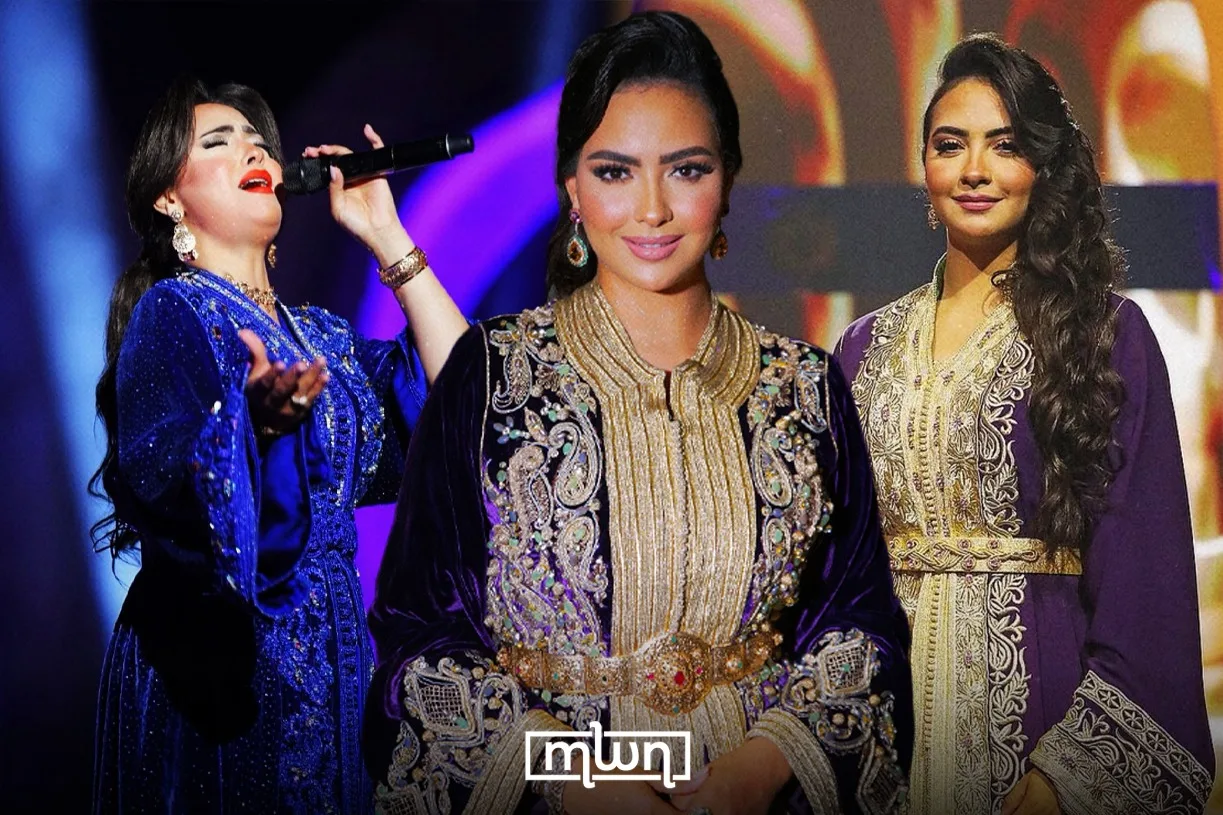
Fez — Moroccan singer Samia El Antari has spent years building her career on stage, moving between chaabi, tarab, spiritual music, and other Moroccan and Arab repertoires.
Now, she wants audiences to hear something different, something more intimate.
Speaking to MWN Lifestyle magazine as she prepares a debut mini-album, a European tour, and her first official music video, El Antari described 2026 as the moment when years of performance are beginning to turn into a musical identity of her own.
“I feel the need to take a new step,” she said. “Not only to interpret songs anymore, but to present my own universe, tell my stories, and leave a real mark through my own songs.”
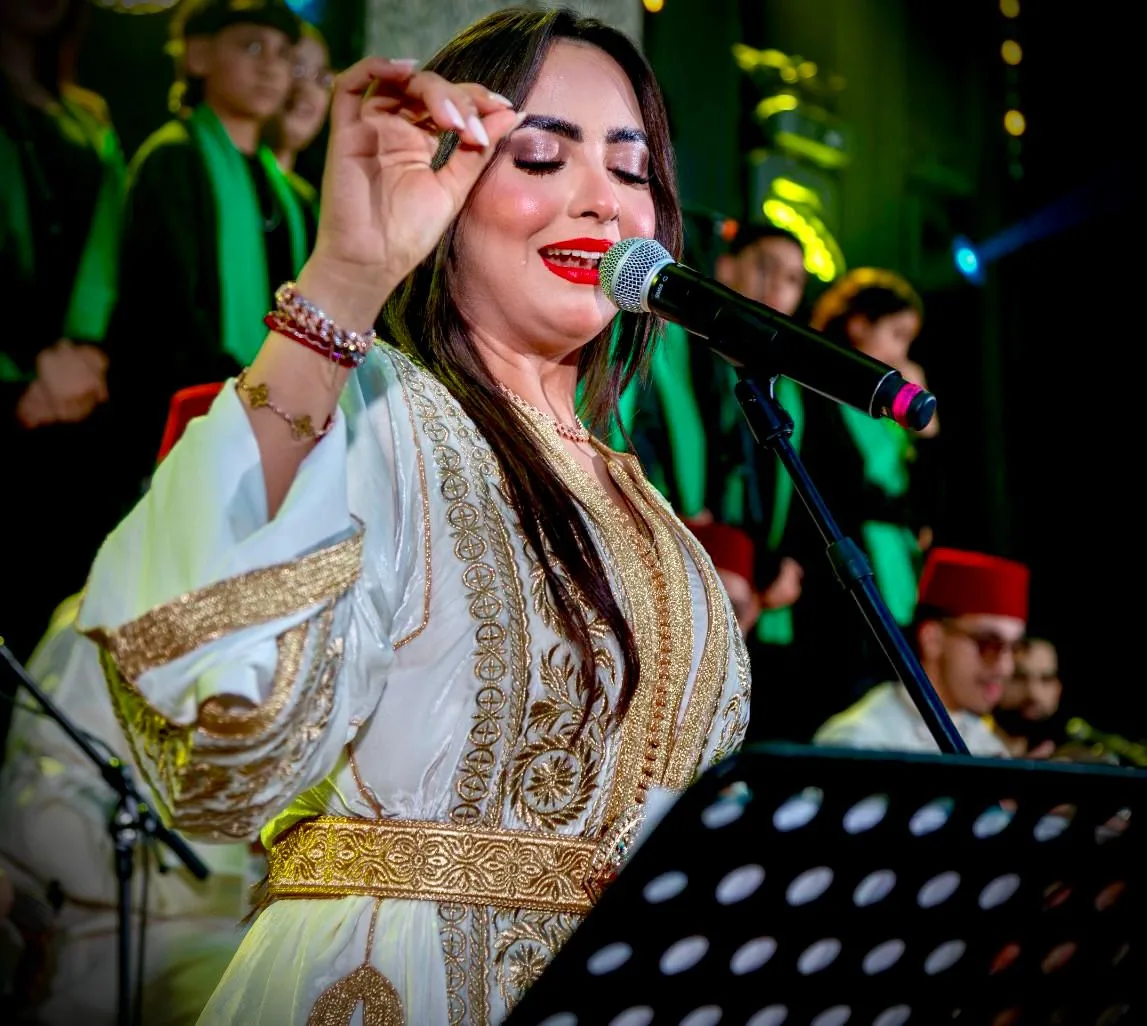
For El Antari, that transition is less a reinvention than the next stage of a journey that began during her childhood in Essaouira.
From Essaouira to the stage
El Antari was born and raised in the Atlantic coastal city, where an early school singing competition gave her the first indication that music could become more than a passion.
She won the competition.
It was the audience reaction, however, that stayed with her.
“It was the first time I felt that emotion: singing in front of people, seeing their reaction, and feeling that my voice could transmit something,” she recalled.
Even at a young age, she said the experience gave her a sense of direction.
“I told myself, ‘This is what I want to do.’ And somehow, everything started in Essaouira that day.”
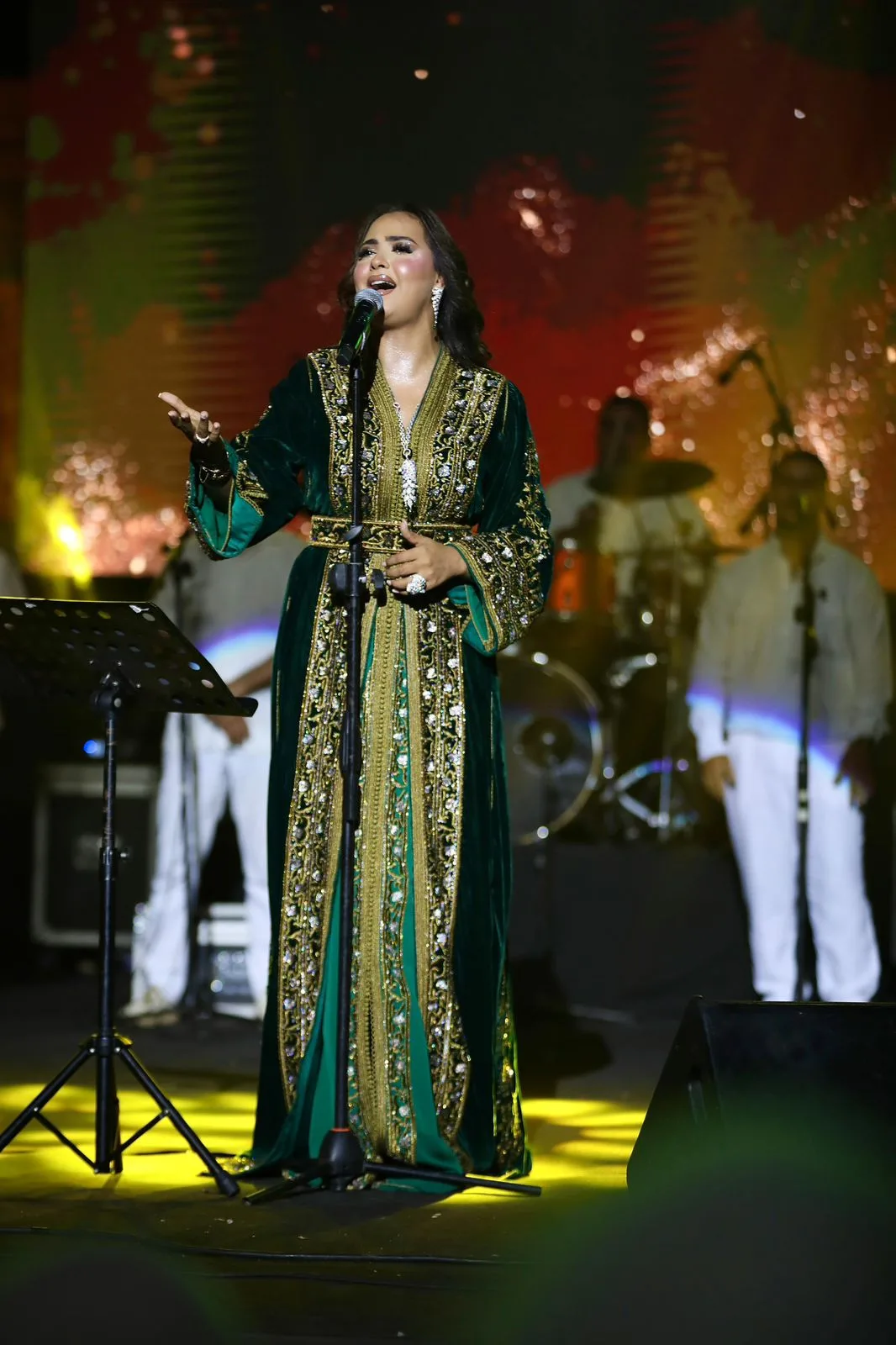
Years of live performance followed, both in Morocco and abroad. Her repertoire expanded with them.
Chaâbi taught her energy and proximity to an audience, she said, while tarab strengthened her approach to interpretation and emotion. Spiritual music allowed her to explore another dimension of her voice.
Her performances have also taken her to Paris’ Grand Rex, where she was presented as the first Moroccan female artist to perform at the famous venue.
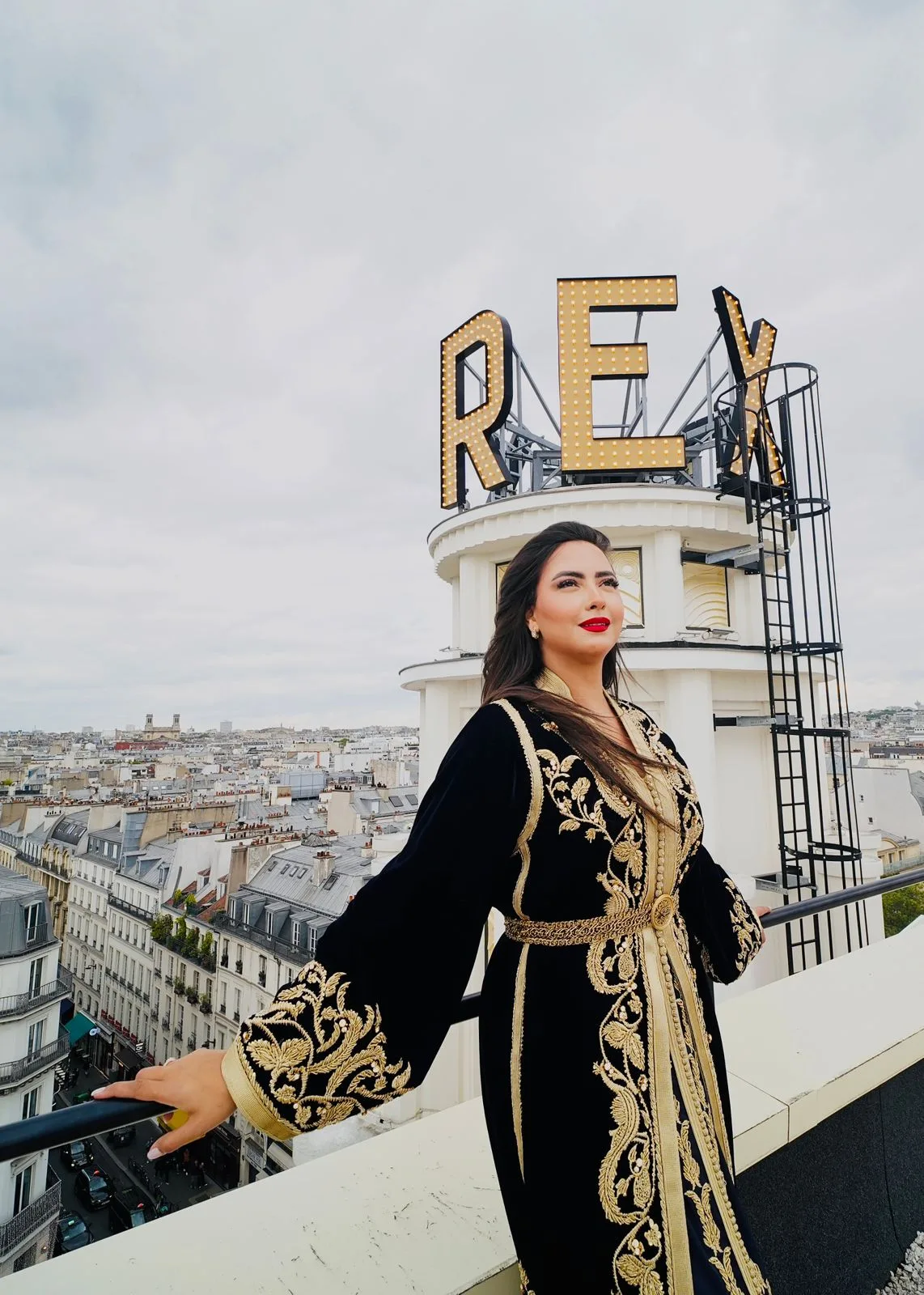
For El Antari, the significance went beyond the venue itself.
“I thought about my journey, my beginnings in Essaouira, all the stages I had performed on, and all the work behind it,” she explained. “To find myself in Paris, in such a legendary venue, facing an audience that came to share that moment with me, was very powerful.”
Television shows another Samia
The stage is no longer her only platform.
El Antari is co-hosting the fifth season of “Jmaatna Zina” alongside Mounia Lamkimel on “Al Aoula,” adding television presenting to a career previously centered on live music.
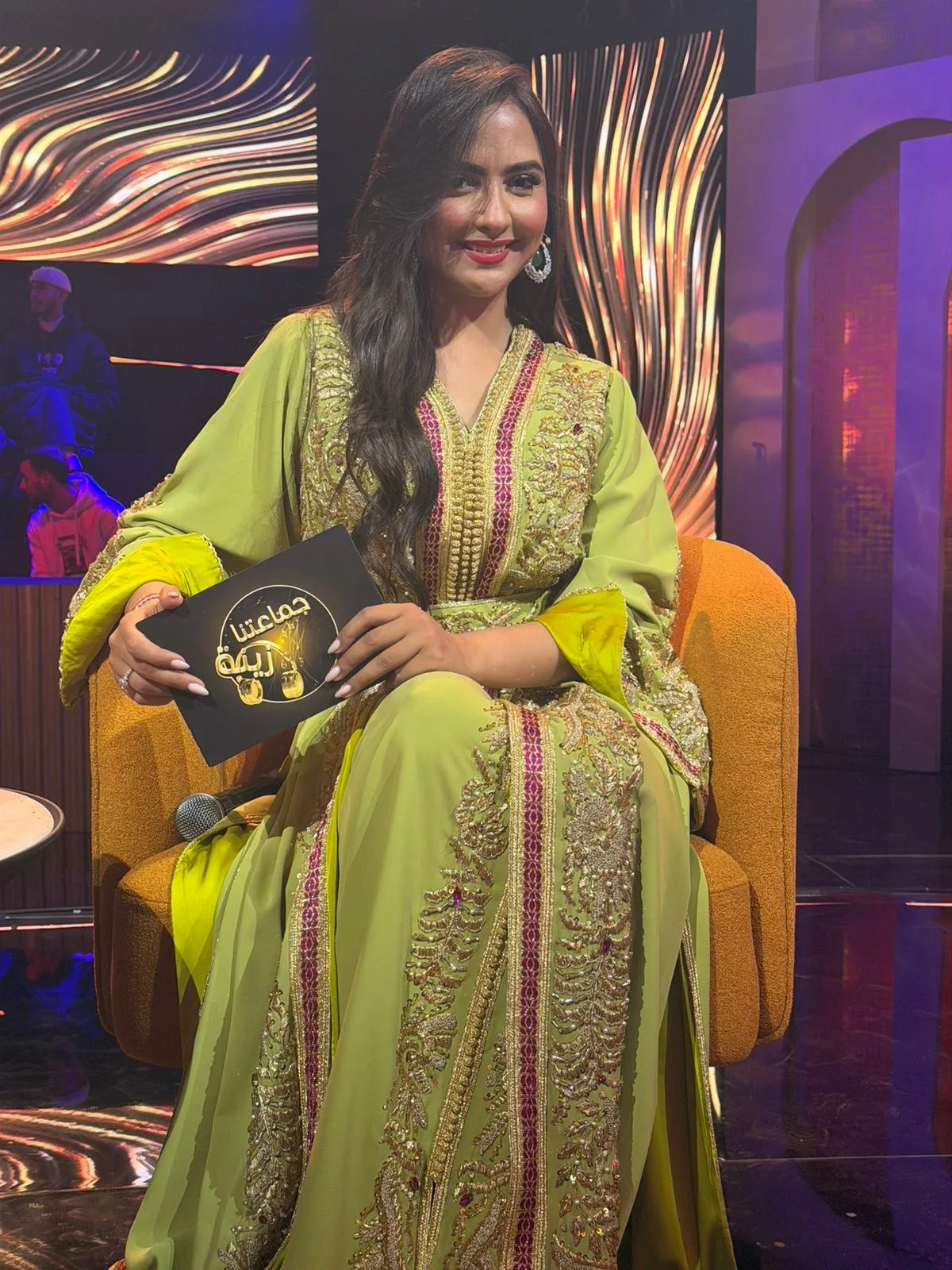
The format, she said, has forced her to communicate differently.
“On stage, I am a singer. I communicate with the audience through my voice and the music,” she explained. “On television, it is different. I have to be much more spontaneous, listen, react, exchange, and above all be myself.”
She described the experience as an exercise in leaving her comfort zone and trusting her instincts.
It has also given audiences an opportunity to encounter her personality outside a musical performance.
El Antari said she remains grateful for the channel’s confidence in giving her the role, calling it an experience that has become important to her development.
Building a sound without abandoning her roots
That growing visibility comes as El Antari prepares what could prove the more consequential step, which is a catalog of original music, starting with a mini-album.
Rather than combine every genre she has performed over the years, El Antari wants to carry what those genres taught her into a more contemporary sound.
“My voice, my way of interpreting, and my roots remain present, even when I move toward more current sounds,” she said.
“I want to build a musical identity that resembles me: Moroccan in its roots, open in its influences, and above all sincere.”
One of the tracks, “Khoyti/Khoyi,” centers on family, friendship, and human relationships.
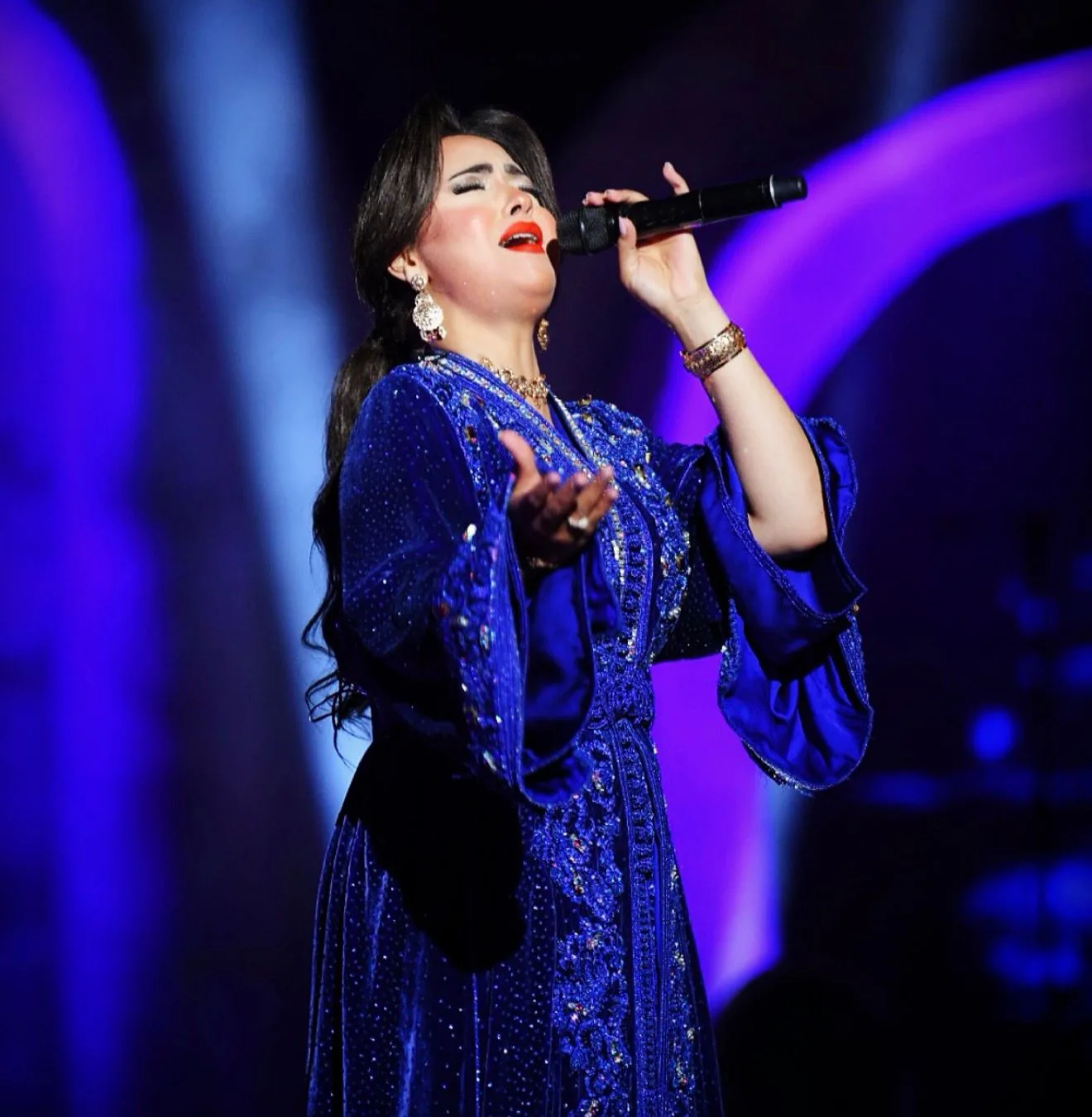
El Antari said the subject feels particularly important at a time when she believes people are becoming increasingly distant from one another.
The accompanying music video develops the same idea, with appearances from Rafik Boubker, Zhor Slimani, Hajar Kanaan, Hamza Filali, and other participating artists.
The mini-album will not remain in one musical register. El Antari said it will also feature an emotional song about love as well as chaâbi tracks.
That variety reflects what she wants the project to communicate: evolution without erasing where she comes from.
“For me, being modern does not mean moving away from your roots,” she said. “On the contrary, I want to carry them in my own way and make them travel with my music.”
Europe comes next
September will put that developing identity in front of audiences outside Morocco.
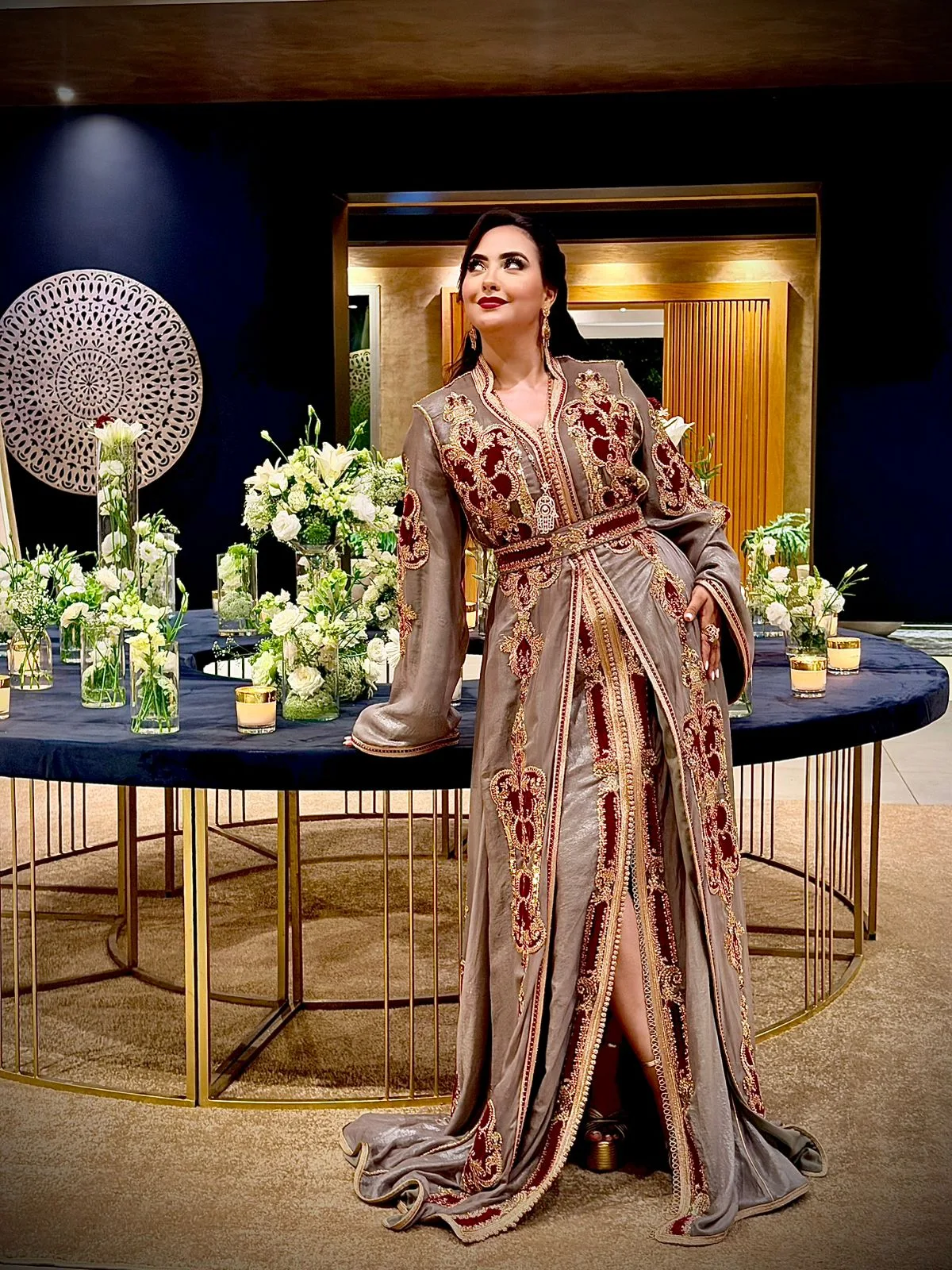
El Antari is preparing to launch her first European tour, with a September 18 performance scheduled at Lyon’s Bourse du Travail (Labor Exchange) as part of the “Mille & Une Nuit” evening.
Further European dates are expected to follow.
The tour arrives alongside the mini-album and her first official music video, creating what El Antari described as an intense mix of pressure and excitement.
“There is obviously stress because many things are happening at the same time, and I want to give my best in every project,” she said. “But sincerely, the excitement largely takes over.”
More than any individual release or television appearance, El Antari sees the year as an opportunity to introduce the person behind the performer audiences already know.
“I want the public to discover Samia beyond the interpreter,” she explained, “my universe, my sensitivity, my roots, and the artist I am in the process of building.”
For a Moroccan artist whose career has been shaped by moving across genres, cities, and audiences, the challenge now is more personal: turning versatility into a recognizable voice.
El Antari’s next chapter suggests that preserving Moroccan roots and pursuing a contemporary sound do not have to pull an artist in opposite directions.