Rabat – High in Morocco’s Atlas Mountains, two quiet lakes hold a story older than memory itself. A legend of love, of separation, of tears turned to water.
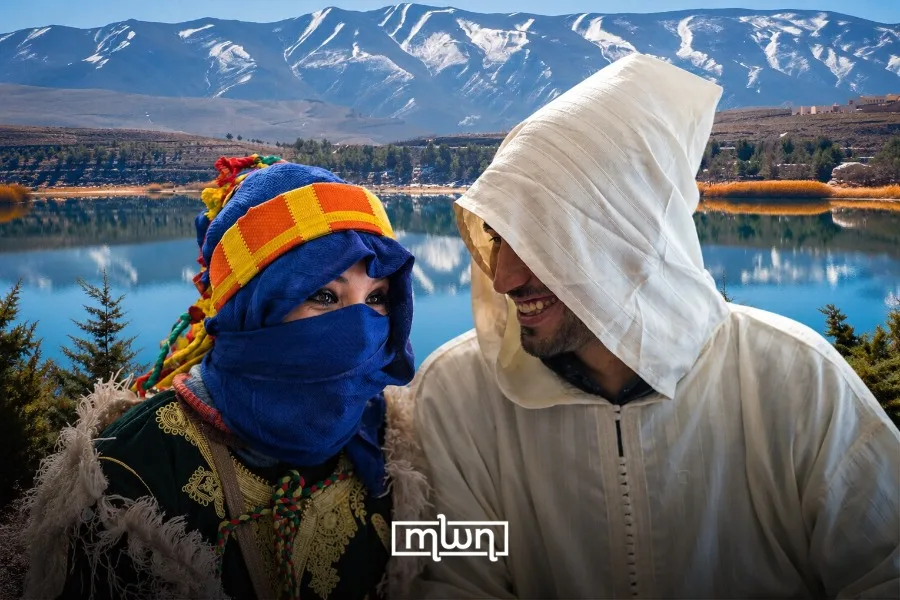
Isli and Tislit, whose names mean groom and bride in Amazigh, are far more than striking mountain scenery.
For generations, they have been woven into the living memory of the Ait Hdidou communities of Imilchil, carried forward in the telling and retelling of a single, aching tale.
Romeo and Juliet or Isli and Tislit?
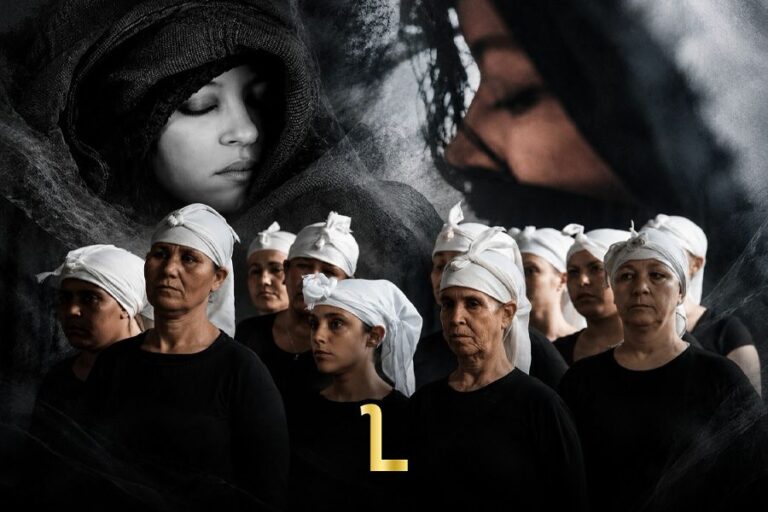
According to local tradition, Isli and Tislit were two young lovers born to neighboring rival tribes whose elders refused to let them marry.
Their love was caught in the grip of old feuds, leaving them no path toward the life they longed to build together. Little did they know, their story will transcend them to honor their love and sacrifice even if it is just a myth.
Separated and consumed by sorrow, they withdrew to opposite sides of the valley, where each wept alone for a love the world would not allow.
The legend says their tears fell endlessly until they formed lakes. Isli, cradling the memory of the young man, and Tislit, holding the memory of the young woman.
The waters remain there still, spread across the mountain landscape forming an intimate tragedy transformed into permanent geography in Imilchil.
The story has traveled under different names across different tongues. One account calls the lovers Muha and Hada; another insists they were always Isli and Tislit.
The details shift with each telling, yet the heart of the story never changes just like their love.
A feeling that was once denied by tribal division, it is now carved deeply in the memory of the Amazigh, because the mountains remember.
A legend beneath the mountains
The lakes are real, even if their romantic origin belongs to oral tradition. Geological research describes Isli and Tislit as high-mountain lakes and notes scientific explanations involving tectonic processes.
Today, the legend is connected to the “Moussem des Fiançailles” (Betrothal Festival) of Imilchil, an annual celebration associated with the Ait Hdidou tribes.
The festival grew around traditions of collective marriage and engagement, while the story of the two lovers gives the gathering its emotional heart.
In Imilchil, the mountains therefore hold two stories at once. One is written in rock, water, and ancient geological processes. The other is in memory, language, and the telling of a love that could not cross the boundaries imposed upon it.
Each year, visitors arrive not only for the scenery, but for the possibility of hearing that old story again, where landscape and memory meet beneath the wide Atlas sky together.