Fez – A growing number of actors, directors, and film industry professionals have signed a pledge refusing collaboration with Israeli film institutions accused of enabling “genocide and apartheid against the Palestinian people.”
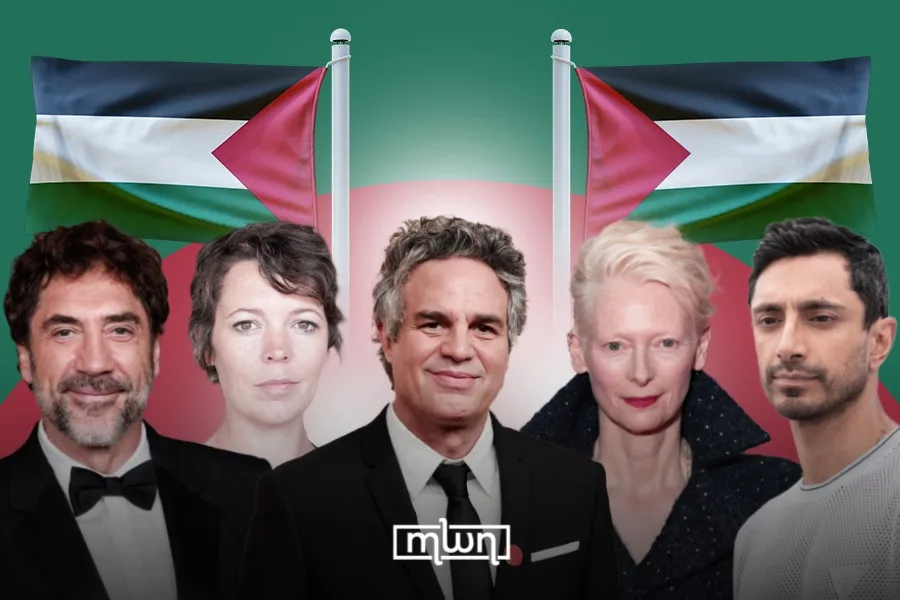
According to Film Workers for Palestine’s official website, more than 1,200 signatories joined the boycott campaign as of Sunday. The list includes acclaimed actors such as Olivia Colman, Mark Ruffalo, Tilda Swinton, Javier Bardem, and Riz Ahmed, alongside directors Ava DuVernay, Yorgos Lanthimos, and Joshua Oppenheimer.
The pledge refrains from directly endorsing the Boycott, Divestment, Sanctions (BDS) movement but draws clear inspiration from the cultural boycott of apartheid South Africa.
“We recognize the power of cinema to shape perceptions,” the statement reads. “In this urgent moment of crisis, where many of our governments are enabling the carnage in Gaza, we must do everything we can to address complicity in that unrelenting horror.”
The campaign urges film professionals to avoid partnerships with Israeli film festivals, broadcasters, and production companies that are “complicit” through government cooperation or propaganda.
British screenwriter David Farr, a descendant of Holocaust survivors, said Israel’s current actions made cultural collaboration impossible. “In this context I cannot support my work being published or performed in Israel,” he noted.
Other figures echoed similar sentiments. Actress Julia Sawalha condemned what she described as the “annihilation of the Palestinians,” calling the pledge her “way of joining a global community that refuses to be intimidated.”
Read also: ‘The Voice of Hind Rajab’ Wins Venice Grand Jury Prize
The boycott announcement comes days after the premiere of “The Voice of Hind Rajab,” a film recounting the tragic story of a five-year-old Palestinian girl reportedly killed by Israeli forces in Gaza. The film received a 23-minute standing ovation at the Venice Film Festival, with backing from Brad Pitt, Jonathan Glazer, and Joaquin Phoenix.
An FAQ accompanying the campaign highlights Israeli festivals like Jerusalem Film Festival and Docaviv, criticizing their ties with government bodies. It emphasizes the boycott targets “institutional complicity, not identity.”
This pledge represents one of the most high-profile cultural boycotts since Israel’s military campaign in Gaza escalated in 2023. It has triggered renewed debates on the responsibilities of artists in conflict zones and the boundaries of cultural diplomacy.