Rabat – The 15th African Biennale of Photography is set to take part from November 26, 2026 to January 26, 2027 in Mali’s capital Bamako.
Ever since its creation in 1994, “Bamako Encounters” has been held every two years. It serves as a meeting place for photography artists from across Africa and the diaspora, a space where ideas, techniques, and stories are exchanged, and where emerging talents can shine alongside established names.
The biennale also offers workshops, talks, and exhibitions that give a deeper look into contemporary African visual narratives.
Co-organized by the French Institute in Mali and the Malian Ministry of Culture and l’Institut Français, the event brings together contemporary photography from across the continent, combining exhibitions, workshops and public projections.
These elements come together to create opportunities for artists, image professionals, and audiences to connect, experiment, and engage with the continent’s visual narratives in meaningful ways.
By bringing together photographers, curators, commissioners, media professionals, collectors, and the general public, the event encourages the exchange of ideas and the discovery of new perspectives.
Each edition celebrates the diversity of African visual arts while offering a platform for emerging talents to gain visibility and for established voices to continue shaping the conversation.
Read also: ‘Ramadaniyate WeCasablanca 2026’ Brings Culture and Spirituality to the City
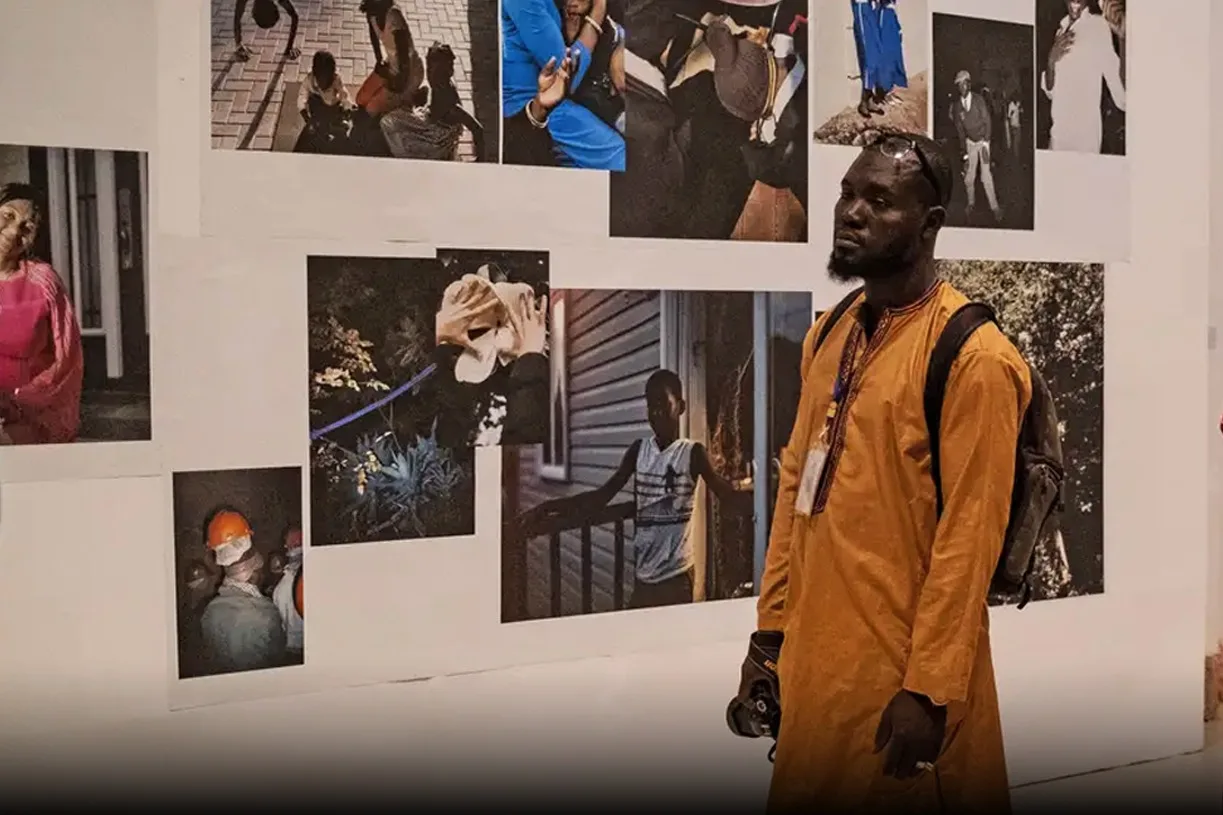
Bamako Encounters works closely with a wide network of partners – local and international museums, galleries, art centres, cultural associations, schools, and training institutes. Exhibitions are spread throughout the city, turning Bamako itself into a living, interactive gallery.
Every space, from traditional museums to public venues, contributes to a cohesive and thought-provoking experience, guided by the biennale’s central theme while reflecting the city’s dynamic cultural life.
The artistic encounter reflects both national pride and international collaboration. It continues to highlight Africa’s rich photographic landscape while providing a platform for cultural dialogue, professional networking, and public engagement, cementing its role as a key fixture in the continent’s artistic calendar.