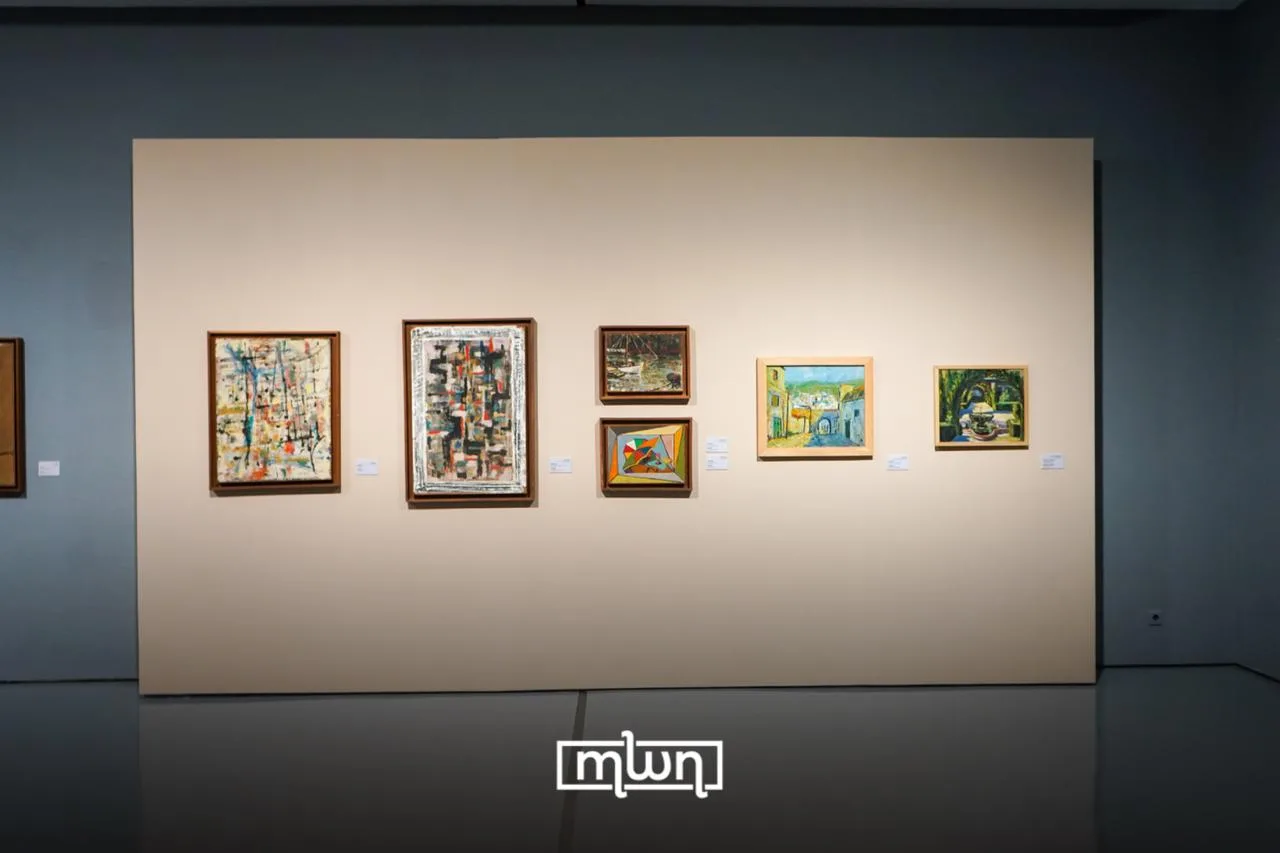
Casablanca – Mohammed VI Museum of Modern and Contemporary Art opened a major retrospective dedicated to Moroccan artist Mohamed Melehi titled “Mohamed Melehi: A Legacy of Art,” retracing nearly seven decades of creative work.
Running from April 29 to August 31, the exhibition brings together works that span from the 1950s up to 2020, offering a broad look at how his practice evolved over time.
Rather than a single snapshot, the show follows his artistic journey across different phases, highlighting the shifts, influences, and moments that shaped his visual language.
The exhibition is structured like a journey through time and place, tracing Melehi’s path between Morocco and other international art scenes.
It moves across key stages of his career, showing how his work developed in dialogue with different cultural and artistic environments.
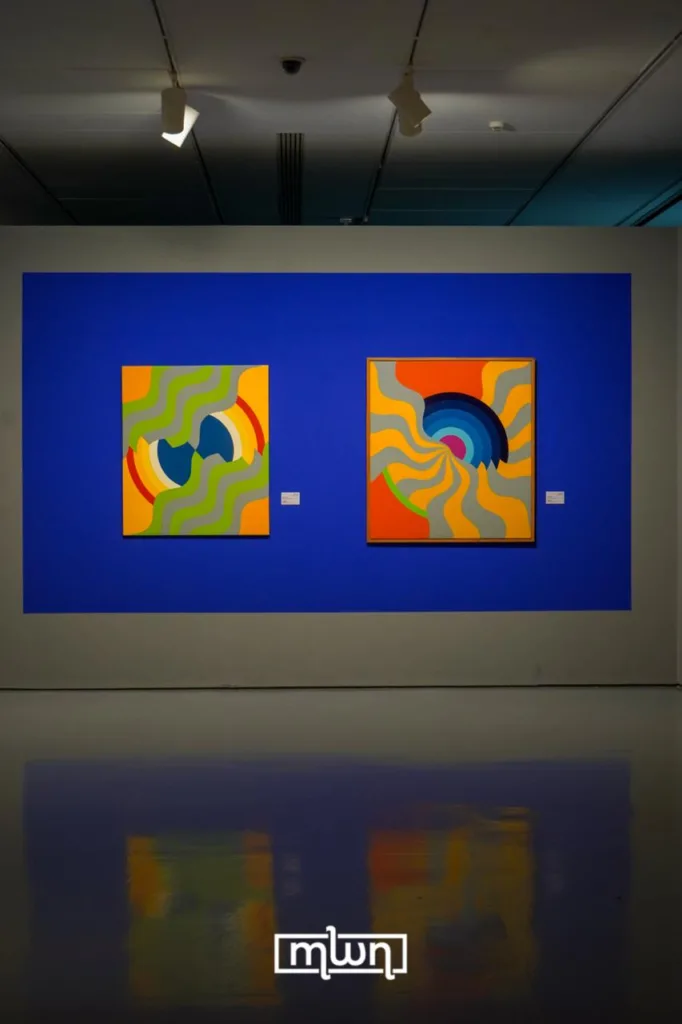
At the heart of his practice lies geometric abstraction, where form becomes language.
The wave motif, in particular, stands out as his most recognizable signature, carrying both rhythm and movement while reflecting a balance between modern artistic expression and Moroccan visual heritage.
A new artistic vision
Speaking to MWN Lifestyle, Youssef Melehi, the artists’ son, reflected on his father’s artistic trajectory, from his early training in Europe to his defining experience in the United States, before returning to Morocco.
He explained that it is upon this return that a decisive shift occurs, as Melehi moves away from academic traditions and begins to develop a new artistic vision.
Within this context, he highlighted how this modernist approach was closely intertwined with a search for identity and cultural grounding.
“This modernism also came in parallel with a search for identity, a search for Moroccan culture, this culture that is reflected in the traditional work of Zellige, of painted ceilings, of jewels and carpets,” he told MWN Lifestyle.
“All this has enriched his learning and also his creativity since the use of vivid colors can be attributed to pop art, but at the same time it is also the use that can be found in traditional arts.”
Beyond the artworks themselves, the exhibition also draws on archival material from the artist’s personal collection, offering a closer look at the thinking and creative process behind his work.
A shifting artistic scene in Morocco
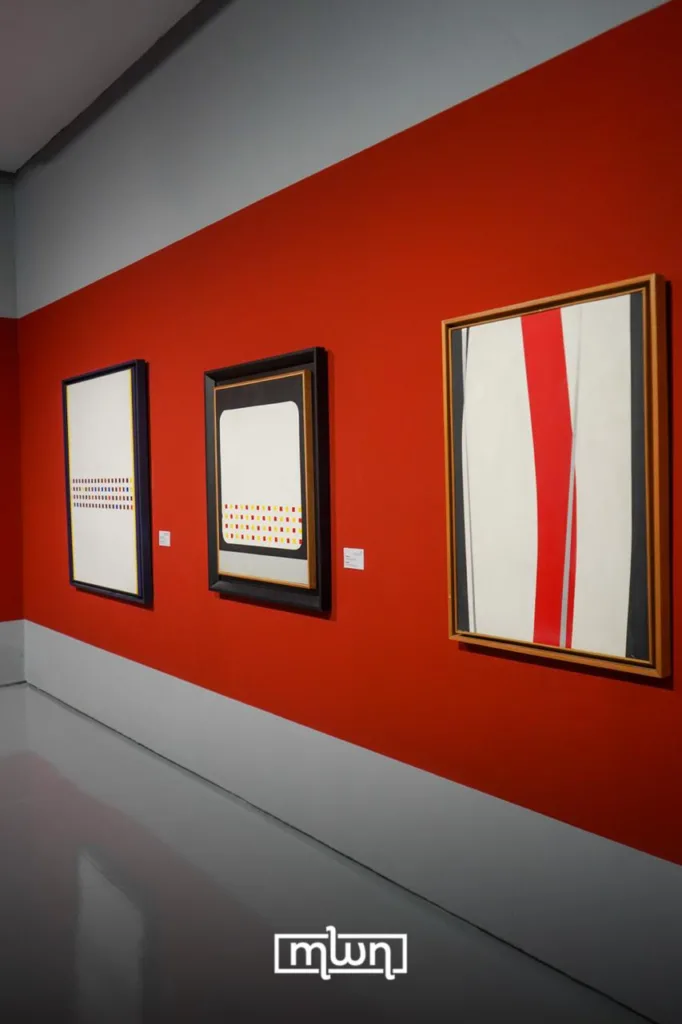
Through this journey, another story quietly emerges, that of a shifting artistic scene in Morocco, particularly between the 1960s and 1980s, when new ideas, forms, and movements were taking shape.
His involvement in movements such as the Casablanca School and his contribution to art education further highlight his role in shaping that period.
His wave motif, often seen as purely visual, is also read here as something more symbolic, reflecting rhythm, movement, and a society in constant transformation.
The exhibition brings together a body of work that moves between local roots and international influence, reflecting an artist who played a key role in shaping a defining chapter of Morocco’s modern art scene.
Through this exhibition, the Mohammed VI Museum of Modern and Contemporary Art continues its mission of highlighting and promoting Moroccan artistic heritage.
It also reinforces the museum’s role as a space where national artistic memory is preserved, revisited, and made accessible to wider audiences.
Read also: Inside Halima Forati’s Hyperreal World of ‘Nature Morte’