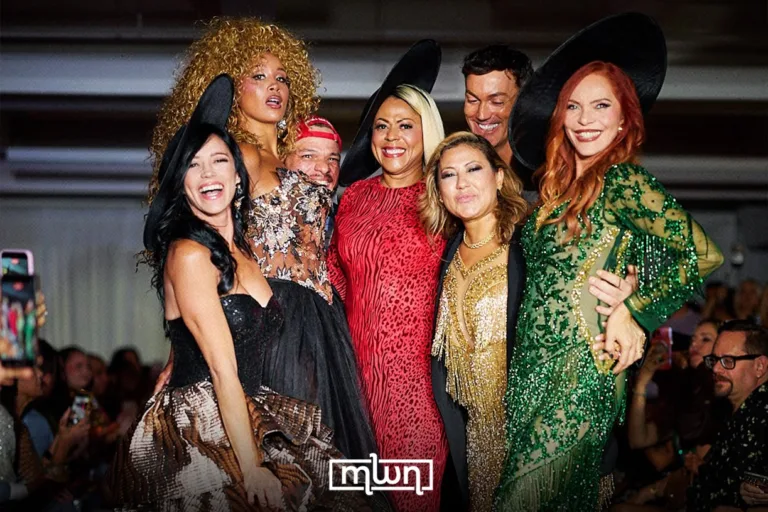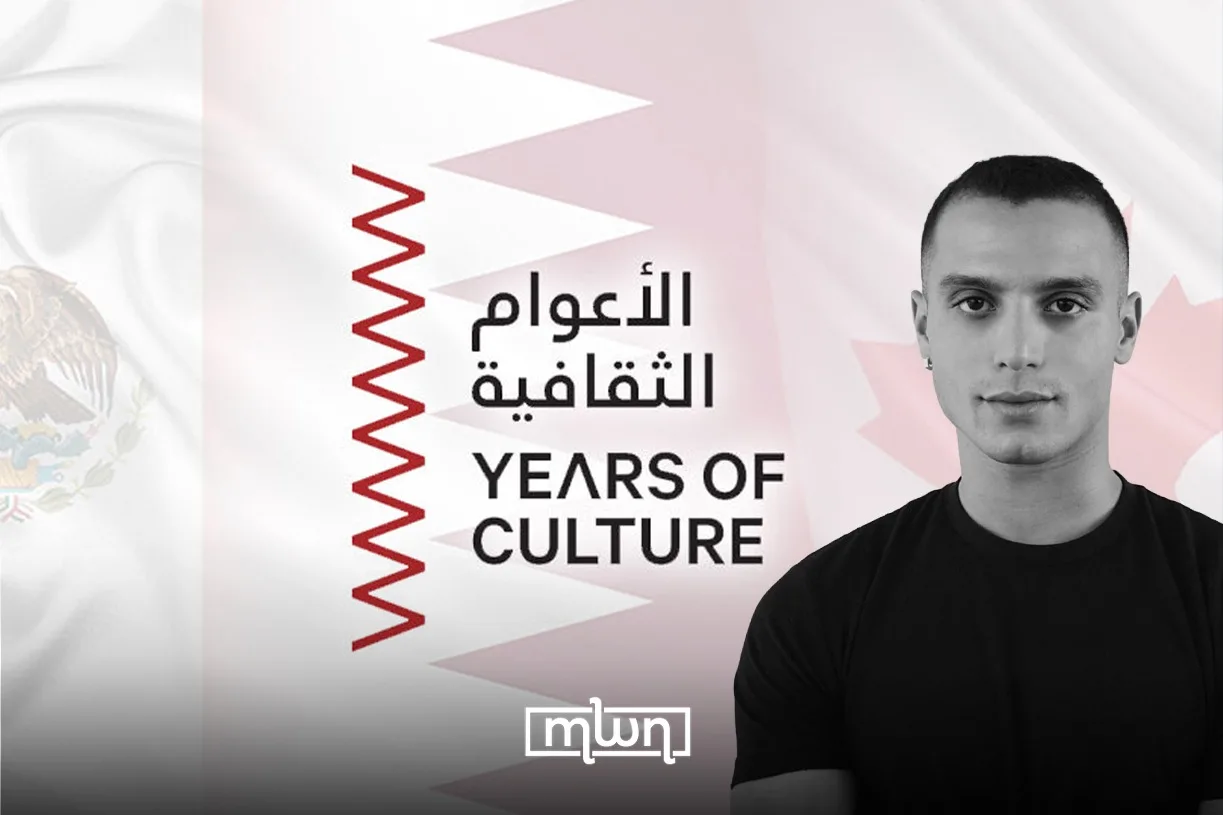
Fez — A new wave of designers is turning fashion into a tool of cultural diplomacy, as a Qatar-based creative delegation makes its North American debut at “Fashion Art Toronto” under the “Years of Culture Qatar-Canada-Mexico 2026” program.
Led by the Doha-based creative hub M7, the initiative goes beyond a traditional runway showcase. It represents a strategic push to position regional designers within international markets, combining artistic expression with economic ambition.
Fashion as a bridge between cultures
At the center of this effort is the idea that fashion can function as a language of exchange. The delegation’s presence in Toronto includes not only runway presentations but also meetings with buyers, visits to concept stores, and networking sessions aimed at understanding the North American market.
“This visit to Canada reflects our commitment as a regional design hub to creating meaningful opportunities for creative talent to connect across borders,” said M7 Director Maha Ghanim Al Sulaiti, emphasizing the role of design in fostering intercultural dialogue.
The program highlights the steady evolution of cultural cooperation. Instead of relying solely on exhibitions or performances, it now increasingly uses creative industries such as fashion as platforms for global engagement.
A Moroccan identity in motion
Among the featured designers is Rayan Alami, founder of the brand Authentic Roz’, whose work reflects a layered identity shaped by Moroccan, Qatari, and Brazilian influences.
His collection, titled “Third Space,” explores what he describes as an in-between identity, where cultural references intersect and evolve. Through textures, colors, and silhouettes, the collection blends Moroccan and Eastern elements with contemporary urban design.
“Third Space is deeply personal for me,” Alami said. “It reflects an identity that is never fixed, always evolving.”
The collection positions clothing as narrative, with garments carrying memory, migration, and transformation.
Diverse visions from the Gulf
Other designers in the delegation bring distinct approaches. Noof Al Mulla’s brand LIN focuses on minimalist, fluid silhouettes using linen and silk, offering a modern reinterpretation of Gulf aesthetics shaped by light, climate, and movement.
Meanwhile, Samah Sulyman’s “Jeu Due Denim: In Play” reimagines denim as an experimental medium, incorporating draping, recycled materials, and even 3D printing techniques.
Together, these collections reflect a region redefining its creative voice, balancing heritage with innovation.
Beyond the runway
The delegation’s presence in Toronto is also a business move. By engaging directly with the local fashion ecosystem, designers aim to identify opportunities for expansion and long-term collaboration.
This approach signals a shift in how emerging markets position themselves globally, combining cultural storytelling with strategic market entry.