Fez — Moroccan painter Saïd Qodaid is set to open a solo exhibition at Bab Rouah National Gallery in Rabat on May 13 at 6 p.m.
The exhibition, supported by the Ministry of Youth, Culture and Communication, will run until May 30.
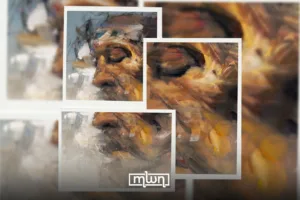
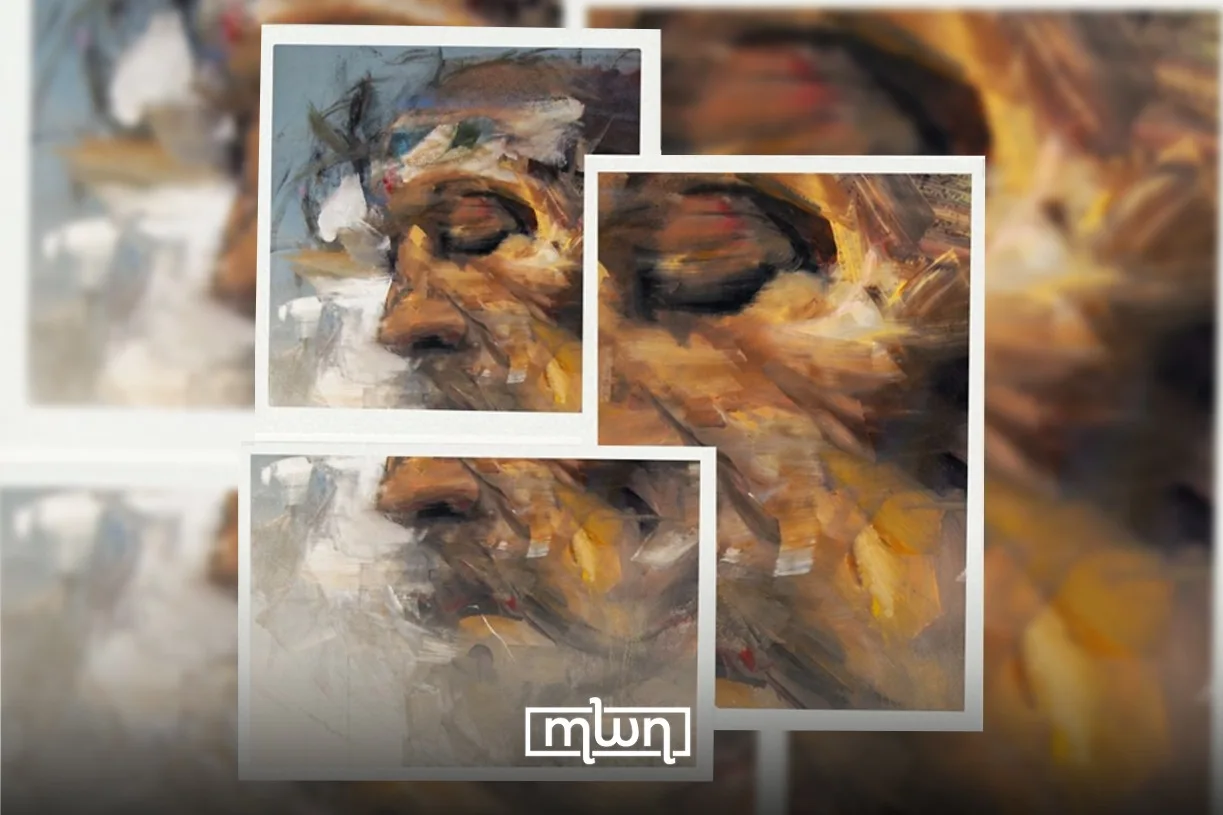
Qodaid is widely known in Morocco’s contemporary art scene for work that moves between abstraction and figuration. His paintings often use expressive brushwork, layered colors, and strong light to suggest faces, bodies, and scenes without fully fixing them.
A Moroccan painter with a long artistic path
Born in Rabat in 1965, Qodaid studied at the National Institute of Fine Arts in Tetouan, where he graduated in graphic arts in 1990. That same year, he took part in the National Festival of Visual Arts in Tangier, beginning a career closely tied to Moroccan painting and cultural memory.
His work has often focused on Moroccan life, from rural scenes to portraits and everyday gestures. Rather than presenting these subjects rigidly, Qodaid uses movement, texture, and color to make them feel alive.
This gives his paintings a sense of energy. A face can appear through a cloud of brushstrokes. A figure can seem to move inside the canvas. Light often becomes the force that holds the image together.
Light as the center of the work
The Rabat exhibition presents Qodaid’s recent work as a meeting point between matter, color, and motion. His canvases show a Morocco that feels both intimate and open, rooted in memory but shaped by a freer contemporary gesture.
The artist’s style gives importance to emotion without losing structure. His paintings do not simply describe what he sees. They translate mood, presence, and movement.
That balance is part of what makes his work recognizable. Qodaid paints Morocco not as a fixed image, but as something living, changing, and full of inner light.
Bab Rouah and the place of Moroccan painting
The choice of Bab Rouah gives the exhibition strong cultural weight. The Rabat gallery remains one of Morocco’s major spaces for modern and contemporary art, regularly hosting exhibitions that reflect the evolution of Moroccan visual creation.
For Qodaid, showing in this space situates his work within a broader national conversation about painting, memory, and renewal.
The exhibition also comes at a moment when Moroccan artists continue to explore how tradition can speak through new forms. Qodaid’s work answers that question through color, movement, and a clear attachment to Moroccan identity.