Fez — The agdal system is one of Morocco’s oldest forms of environmental intelligence, yet it rarely appears in conversations about climate adaptation, rural resilience, or biodiversity.
Rooted in Amazigh communities, agdal refers to a collectively agreed rule that temporarily closes access to a defined natural resource. That resource can be pasture, forest, cultivated land, an orchard, or an argan grove. The goal is to allow the land to regenerate before people and animals return to use it.
UNESCO describes agdal as a main traditional form of land management and natural resource conservation among Amazigh communities in Morocco.
The word comes from Amazigh and carries the meaning of “to close” or “to fence.” But agdal is not only a physical boundary. It is also a social contract. A community decides when a place must rest, who can use it, when access can reopen, and how rules should be enforced.
A living rule, not a museum tradition
Agdal is practiced mainly in the High Atlas, Anti-Atlas, and parts of Sous, especially in areas where herding, farming, forests, and seasonal scarcity shape daily life. UNESCO notes that village assemblies, known as “jmaâ,” “lejmaât,” or “taqbilt,” establish community pacts to regulate access and ensure fair use of shared resources.
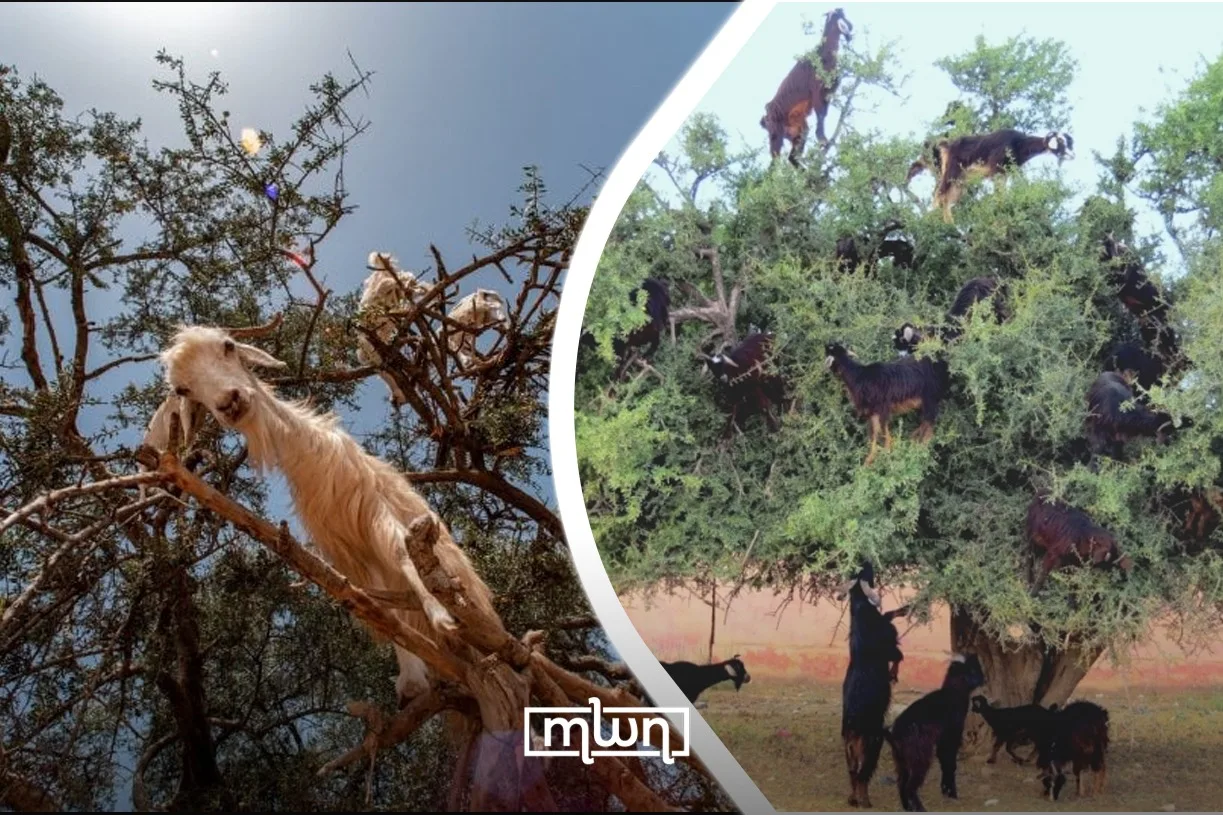
That collective dimension is what makes the system powerful. Instead of treating land as an individual race for extraction, agdal asks the community to wait. Animals may be kept away from a pasture during key growth periods. Argan branches may be protected until fruit fully ripens. Forest areas may be restricted so vegetation can recover.
In the High Atlas, this can mean closing grazing areas during crucial months so plants can flower, produce seeds, and regenerate without pressure from herds. A ResAlliance factsheet describes Moroccan agdals as community-based natural resource systems that contribute to both social and ecological resilience.
Climate knowledge before climate language
Long before climate adaptation became an institutional phrase, agdal offered a practical way to live with scarcity. The system does not deny drought, fragile soils, or seasonal pressure. It organizes life around them.
That is why agdal matters now. Morocco has faced years of drought, with water stress drying reservoirs and depleting underground resources. Morocco World News (MWN) reported in December 2025 that Morocco plans to supply 60% of its drinking water from desalinated seawater by 2030, reflecting the scale of the country’s water challenge.
Desalination plants, dams, and infrastructure are essential. But agdal points to another side of resilience: how communities manage demand, share scarcity, and protect ecosystems before collapse becomes visible.
In the Arganeraie Biosphere Reserve, designated by UNESCO in 1998, agdal is linked to the protection of argan trees and the agro-sylvo-pastoral systems surrounding them. The reserve covers nearly 2.5 million hectares in southwestern Morocco and is home to more than three million people.
The pressure on collective memory
The agdal system is not romantic or perfect. It depends on trust, enforcement, and intergenerational transmission. When young people leave villages, when transhumance declines, or when market pressure pushes communities toward more intensive land use, the system weakens.
The same ResAlliance factsheet warns that youth migration, the abandonment of seasonal herding, climate change, harsher summer droughts, and disputes over water all threaten agdal governance. It also notes that privatization and agribusiness policies can marginalize local resource users and undermine collective land management.
This is where the feature becomes more than heritage. Agdal is a test of whether Morocco can protect local knowledge without freezing it in the past. Communities need income, roads, education, and modern opportunities. But those needs do not have to erase the systems that helped them survive for generations.
The Global Diversity Foundation says its High Atlas work supports rural communities in revitalizing traditional practices, sustaining livelihoods, and restoring nature. Its projects include work on agdals, terraced agroecosystems, biodiversity, cooperatives, and water management.
Why agdal still matters
Agdal challenges a common idea about heritage. Moroccan culture is often presented through food, clothing, music, festivals, or architecture. Those are important. But agdal shows that culture can also be a rule about restraint.
It is the culture of not taking everything at once. It is a calendar, a boundary, a negotiation, and a memory. It links ecology to ethics, because the land is treated as something shared between families, animals, seasons, and future users.
In a country where drought is no longer an exceptional event, this lesson feels urgent. Morocco’s future will require technology and investment, but also humility before older systems that understood limits.
The agdal system does not offer a complete answer to climate change. It offers something more grounded: proof that Moroccan communities have long known that survival depends not only on using nature, but also on knowing when to leave it alone.