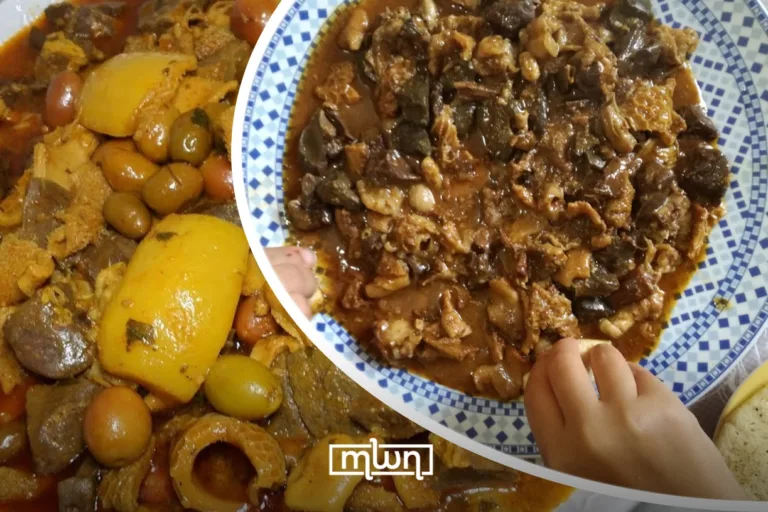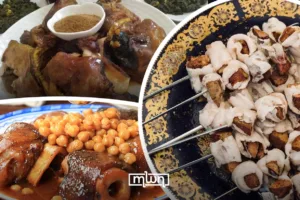
Fez — Eid Al-Adha tables across Morocco are rich, generous, and deeply tied to family memory. From boulfaf and tkelia to grilled meat, skewers, liver, mrouzia, and sweet tea, the holiday often becomes a marathon of heavy meals.
Meat can be part of a healthy diet, especially when eaten with vegetables, bread, salads, and enough water.
The problem is not Eid food itself. The problem is eating large amounts of meat, fat, salt, and sugar over several days without balance.
Start slowly, especially on the first day
The first day of Eid is often the most intense. Many families begin with liver, heart, grilled meat, or tkelia soon after the sacrifice. A better approach is to treat the first meal as a tasting plate, not a challenge.
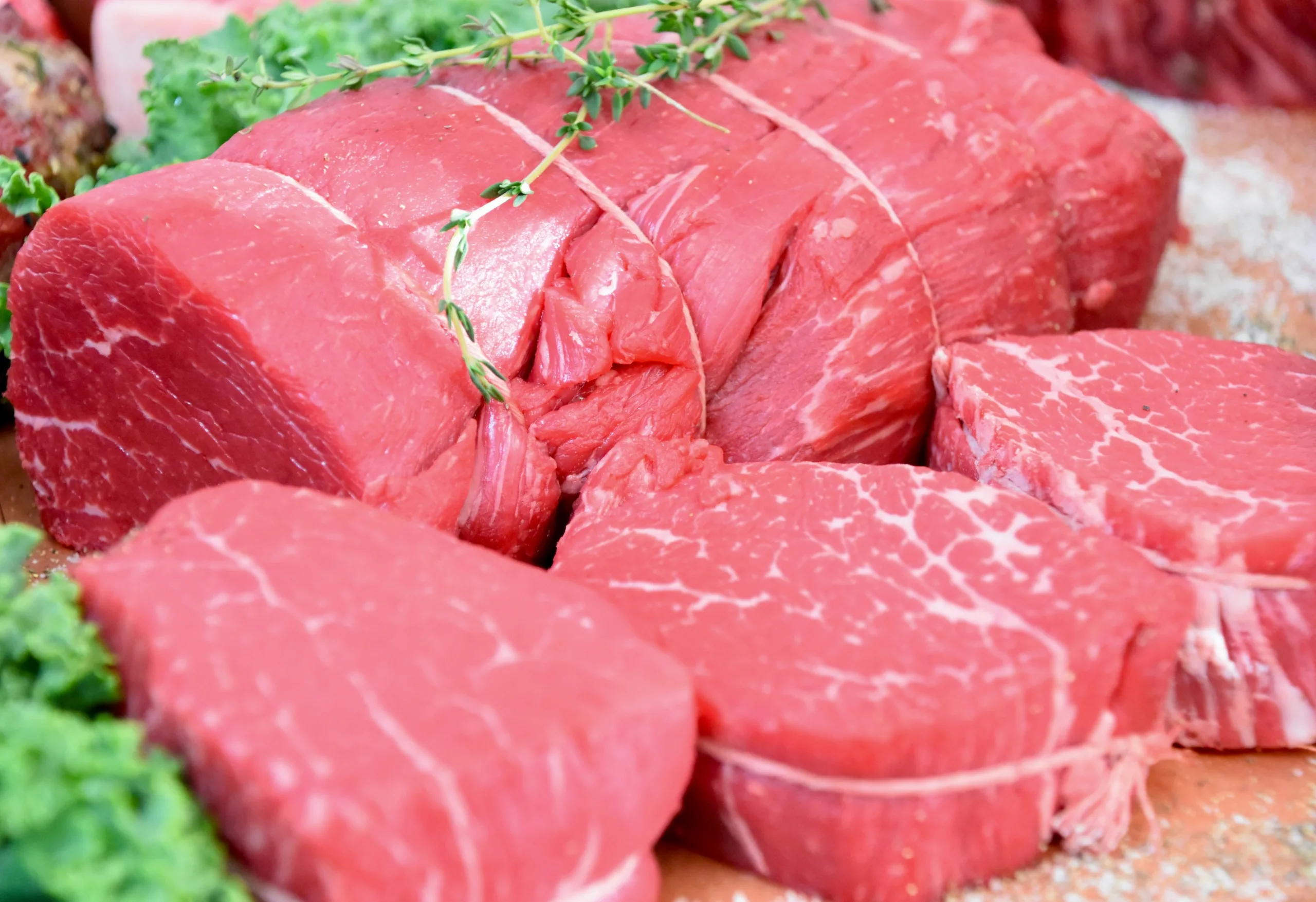
A practical portion is about the size of the palm of your hand, or around 90 to 120 grams of cooked meat. People who want a second serving can wait 20 minutes before deciding. Eating slowly gives the body time to process fullness.
The World Cancer Research Fund recommends limiting red meat to about three portions per week, equal to 350 to 500 grams of cooked red meat.
That means Eid can still include lamb or beef, but not in unlimited amounts at every meal. A family can stretch the meat across several days by freezing portions and pairing smaller servings with vegetables, lentils, beans, leafy greens, couscous, or whole-grain bread.
Balance the plate, not just the meat
A healthy Eid plate should not be only meat and bread.
The World Health Organization says a healthy diet should be built around minimally processed foods low in unhealthy fats, free sugars, and sodium.
WHO also recommends eating fruits, vegetables, legumes, nuts, and whole grains as part of a balanced diet.
For Eid, this means serving meat with Moroccan salads, grilled vegetables, zaalouk, taktouka, lentils, chickpeas, fruit, or soup. These foods add fiber, which helps digestion and can reduce the heavy feeling that comes after a fat-rich meal.
Tea, juice, soda, and sweets can also add up quickly. Sweet drinks may feel festive, but water should remain the main drink, especially during hot weather or after salty grilled meat.
Be careful with fat, salt, and organ meats
Eid dishes often use fatty cuts, organ meats, and generous seasoning. These foods are traditional, but they are also rich.
The American Heart Association recommends limiting saturated fat to less than 6% of daily calories, noting that saturated fats are found in red meat and other animal-based foods and can raise “bad” LDL cholesterol.
This does not mean avoiding every festive dish. It means trimming visible fat, removing burned parts, avoiding too much oil or smen, and not turning every meal into a fat-heavy feast.
People with gout or high uric acid should be especially careful with liver, kidney, heart, and other organ meats.
Mayo Clinic says organ and glandular meats have high purine levels and can raise uric acid, while people with gout should also limit serving sizes of beef, lamb, and pork.
Those with high blood pressure, diabetes, heart disease, kidney disease, or digestive conditions should be extra cautious and follow medical advice. Eid food can still be enjoyed, but portion sizes are very essential.
What happens when you overdo it
Too much meat and fat in a short period can cause bloating, heartburn, nausea, constipation, and stomach discomfort. Mayo Clinic notes that indigestion can include burning pain, feeling full while eating, or feeling full long after eating.
Longer term, consistently high intake of red and processed meat has been linked to higher health risks.
A review published in the medical literature found that higher red and processed meat intake was associated with increased colorectal cancer risk, though overall risk depends on diet, lifestyle, and frequency of consumption. Still, balance is key.
Eid is only a few days, but the holiday can be a useful reminder. Enjoy the food, then return to a more balanced routine instead of extending heavy eating for a full week.
Store and cook meat safely
Food safety matters as much as nutrition during Eid. Meat is often handled in large quantities, sometimes in warm kitchens, courtyards, or rooftops.
WHO’s “Five Keys to Safer Food” are simple: keep clean, separate raw and cooked foods, cook thoroughly, keep food at safe temperatures, and use safe water and raw materials.
The CDC also recommends the four basic food safety steps: clean, separate, cook, and chill.
Perishable foods, including cooked leftovers, should be refrigerated promptly to reduce the risk of food poisoning.
Cook meat thoroughly, use separate boards and knives for raw and cooked food, wash hands often, and refrigerate or freeze leftovers in smaller portions. If meat smells wrong, feels the slightest slimy, or has been left out too long, do not try to “save” it with spices or marinade.
Eid Al-Adha is not about restriction. It is about gratitude, sharing, and family. A healthier Eid simply means eating with intention: reasonable meat portions, more vegetables, enough water, careful storage, and respect for the body that carries us through the celebration.