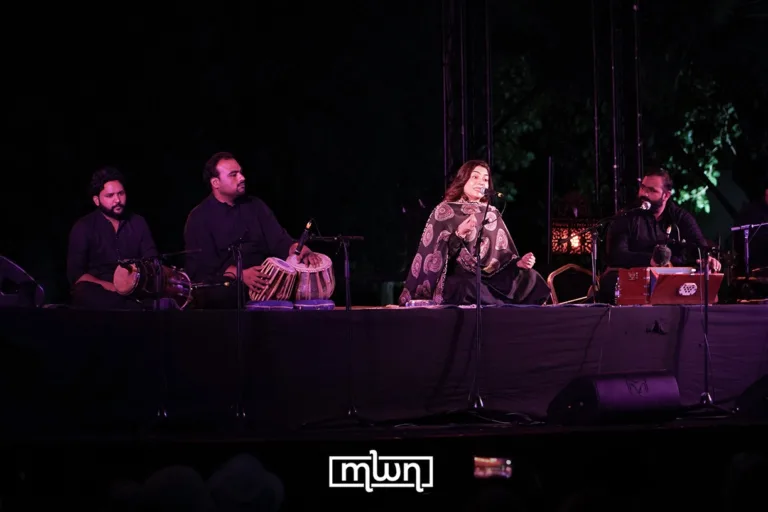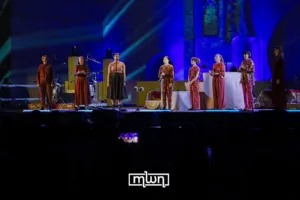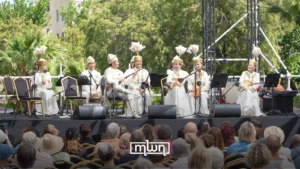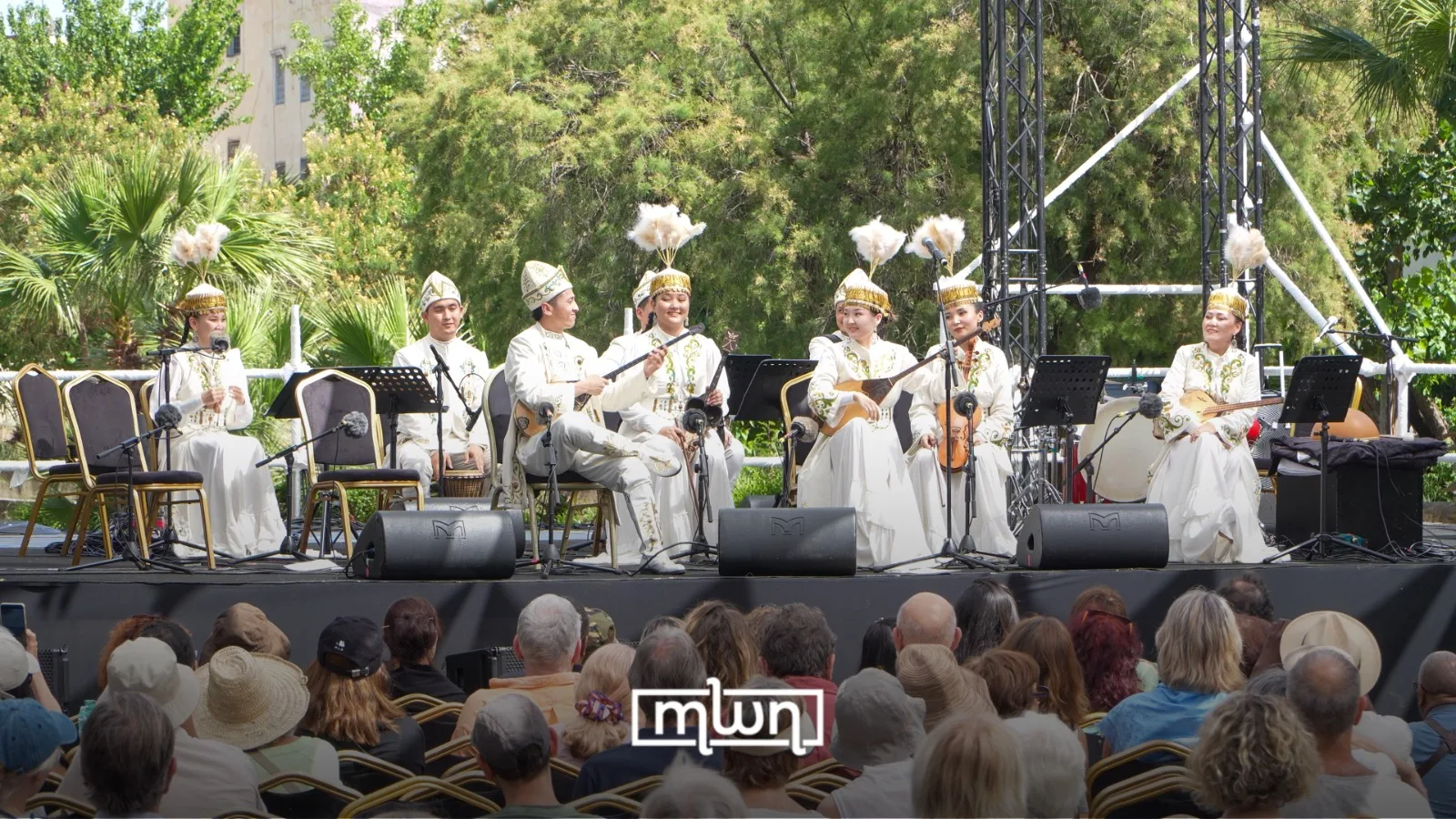
Fez — Kazakhstan’s Yassawi and Qulansaz ensemble brought the sound of Central Asian nomadic traditions to Jnan Sbil on Friday afternoon, adding a new Eastern horizon to the 29th Fez Festival of World Sacred Music.
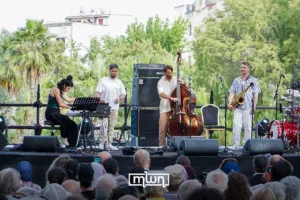
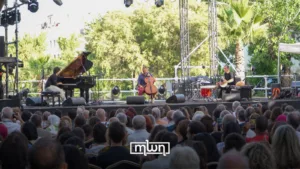
The performance took place in one of Fez’s most atmospheric outdoor venues, where the garden’s trees, paths, and soft daylight gave the concert a calm, contemplative setting.
The music carried the memory of the eastern lands through voice, rhythm, and traditional instruments, presenting a culture deeply tied to nomadism, nature, and ancestral transmission. Kazakh musical tradition draws on the dombra, epic singing, and the kyl-kobyz, an instrument linked in myth to Korkyt Ata and to the spiritual world of the baksy, or shaman-poets.
Kazakhstan’s ambassador to Morocco, Saulekul Sailaukyzy, framed the festival as a rare meeting point for cultures moving across Africa, Asia, and the wider world. “This great region, they meet here in Morocco, in Fez, to show friendship, peace, culture,” she told MWN Lifestyle magazine.
The performance also carried a diplomatic layer. Sailaukyzy linked the cultural exchange in Fez to the growing relationship between Morocco and Kazakhstan, especially after the two countries signed a visa-free agreement last year. She said the change is already visible on the ground, with more Kazakh visitors discovering Morocco. “Even today in the medina, I saw the Kazakhs,” she said, adding that the visitors she met were happy to experience Fez and its festival atmosphere.
A garden for steppe music
Jnan Sbil gave the performance its quiet strength. Unlike the monumental scale of Bab Makina, the garden created a softer form of attention. The audience listened under the shade of trees, with the open air allowing the music to breathe rather than echo.
Traditional Kazakh musician Bayan Satkyzy described the Morocco performance as a first for the ensemble. “We are presenting our music, our national instruments, and our ensemble, Qulansaz, in Morocco for the first time,” she told MWN Lifestyle magazine.
The concert was not only about performance, but arrival. For Qulansaz, Fez became a first Moroccan stage; for the audience, Kazakhstan’s sound opened a window onto a nomadic world shaped by pride, nature, and spiritual memory.
Satkyzy also described the festival’s fusion spirit, where musicians from different countries met and connected through shared artistic language. “Our musicians did connect. They played with different countries’ musicians,” she said.