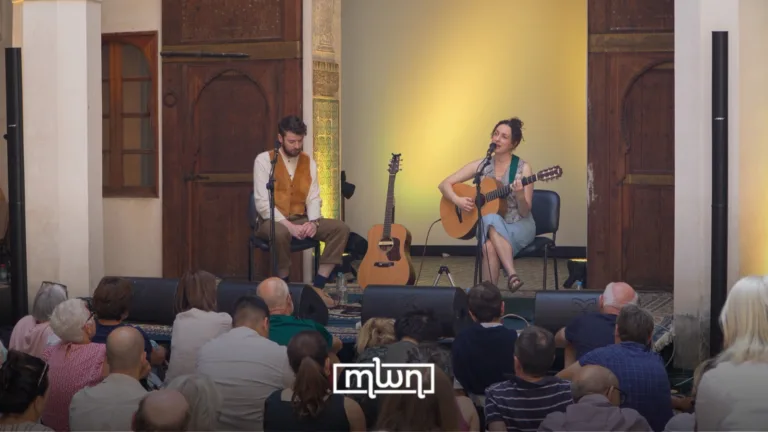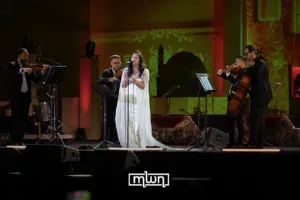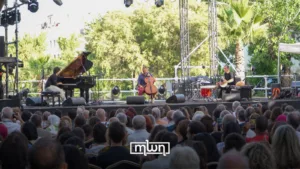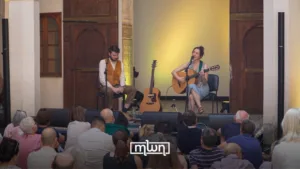
Fez– In a festival edition celebrating the many expressions of women’s voices, Kat Frankie brought to Fez a vision of singing that extends far beyond performance.
For the Australian singer, composer and founder of the Berlin-based vocal ensemble B O D I E S, the voice is inseparable from the body, and music finds its deepest meaning not in individual virtuosity but in collective experience.
It is an idea that shaped both her artistic journey and the performance presented at the 28th Fez Festival of World Sacred Music.
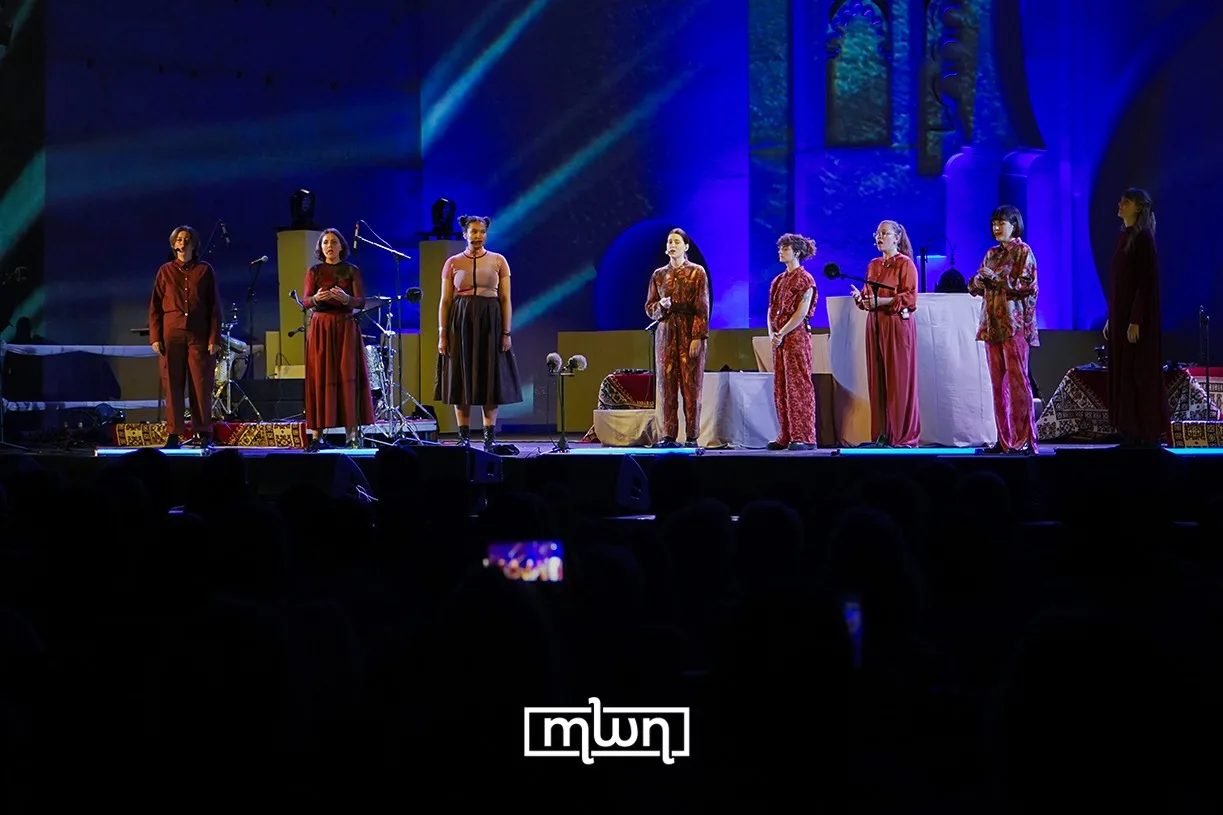
Appearing alongside renowned female artists from different musical traditions, B O D I E S offered a distinctive exploration of the human voice.
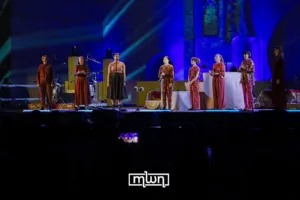
Created by Frankie in Berlin, the ensemble brings together eight accomplished singers who merge their individual talents into a shared musical language that blends original compositions, contemporary vocal experimentation, pop influences and neo-classical elements.
At the heart of the project is a simple yet powerful conviction: voices emerge from bodies, and bodies become stronger when they come together.
“For us, voices come from bodies,” Frankie said in an interview with MWN Lifestyle magazine on the sidelines of the festival.
“When we’re on stage, we bring our bodies with us. It’s about us as individual women, but also about coming together as a larger body.”
The ensemble’s name reflects that philosophy. B O D I E S is both a collection of singular voices and a collective artistic entity, constantly navigating the space between individuality and unity.
While each member has her own artistic career, the project seeks to create something that transcends what any one performer could achieve alone.
Franke describes the group as a community of equals.
Every singer arrives with her own experience, artistic identity and voice, yet the ensemble’s strength lies in the willingness to listen, collaborate and build something collectively.
“These are very fantastic singers that have all come together to create something that wouldn’t exist if we hadn’t done it together,” she said.
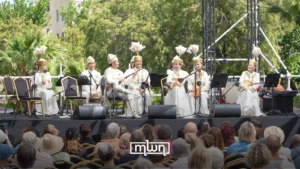
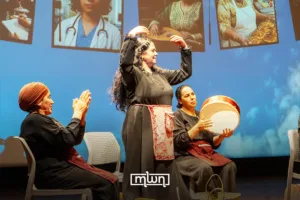
That spirit of collaboration found a particularly meaningful expression in Morocco through B O D I E S encounter with Ensemble Isaffen, the women’s Ahwach group from the High Atlas.
Invited by the Goethe-Institut, the German ensemble spent several days exchanging songs, techniques and experiences with the Amazigh performers before taking the stage together.
Despite language differences, Frankie said music quickly became a common language.
The meeting united two vocal traditions that emerge from different cultural landscapes yet share a similar understanding of collective expression.
While B O D I E S explores new forms of contemporary polyphony, Ensemble Isaffen carries forward centuries-old traditions of responsorial singing rooted in Amazigh communal life.
For Frankie, the exchange demonstrated how artistic dialogue can flourish without words.
“We don’t speak the same language, but we created so much joy this week by learning from each other, by sharing and by singing together,” she said.
The collaboration formed one of the highlights of an evening dedicated to female vocal creativity.
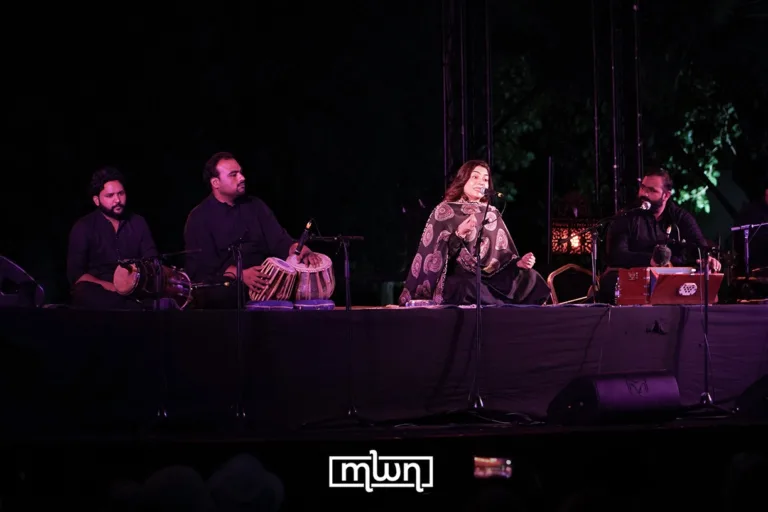
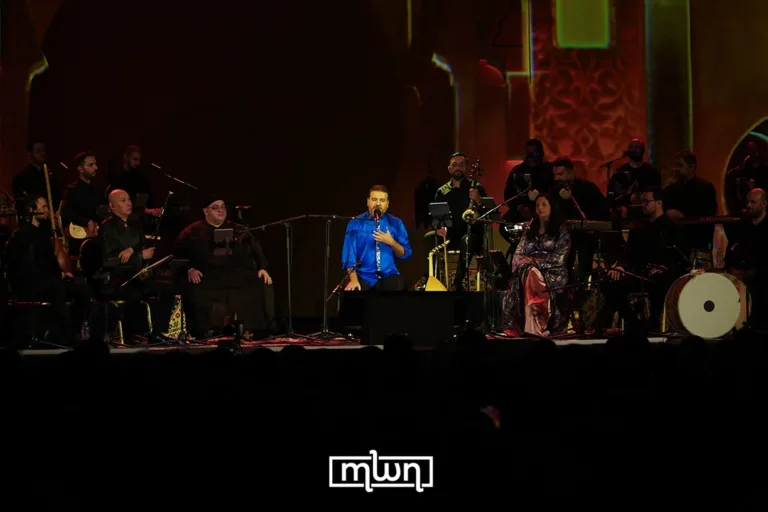
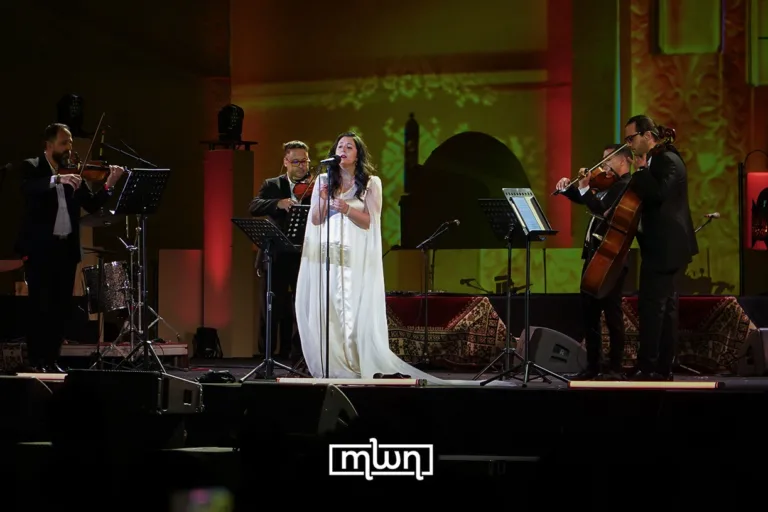
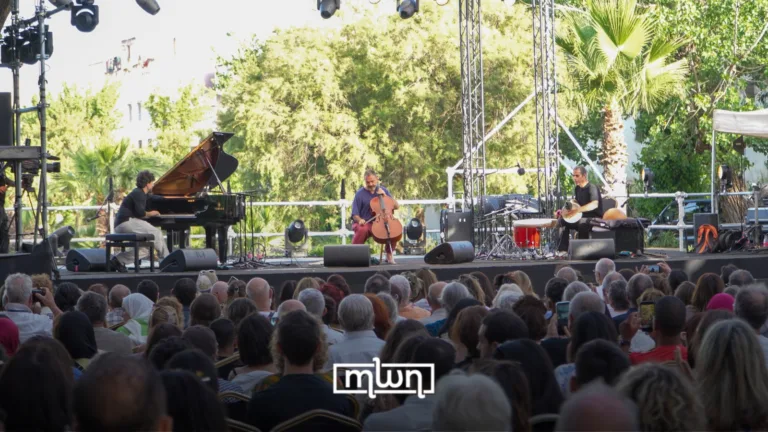
The program moved across sacred and secular traditions, from the Aramaic chants of Lebanese singer Ghada Shbeir to the classical Indian repertoire of Kaushiki Chakrabarty and the Andalusian-inspired universe of Nabyla Maan.
Within that rich mosaic, B O D I E S brought a contemporary perspective centered on the voice as both a physical and communal instrument.
That perspective also shapes Frankie’s understanding of sacred music itself.
While spirituality is often associated with ritual or religious tradition, she sees something equally profound in the act of collective singing.
The connection created between performers and audiences, she argues, is itself a sacred experience.
“Singing is incredibly spiritual,” she said. “If anything is sacred, it is us together as a community.”
In Fez, where the festival has long served as a meeting place for cultures, faiths and artistic traditions, that message resonated naturally.
Through their collaboration with Ensemble Isaffen, Kat Frankie and Bodies offered a reminder that beyond language, geography and musical style, the human voice remains one of the most powerful ways of creating connection.