Casablanca – Few artists carry the kind of legacy Lauryn Hill does. At Jazzablanca 2026, the American icon finally reunited with Moroccan audiences on the Casa Anfa stage.
Joined by Wyclef Jean, YG Marley, and Zion Marley, Hill transformed one of the festival’s most anticipated concerts into a celebration of musical legacy, bringing together generations of artists in a performance that had festivalgoers waiting long before she stepped on stage.
Although the icon did not take the stage at the scheduled time, the excitement among festivalgoers never faded.
As the audience waited, a DJ kept the atmosphere alive with reggae classics and Bob Marley anthems, turning the delay into an impromptu celebration.
Then, the long wait finally came to an end.
A long-awaited return
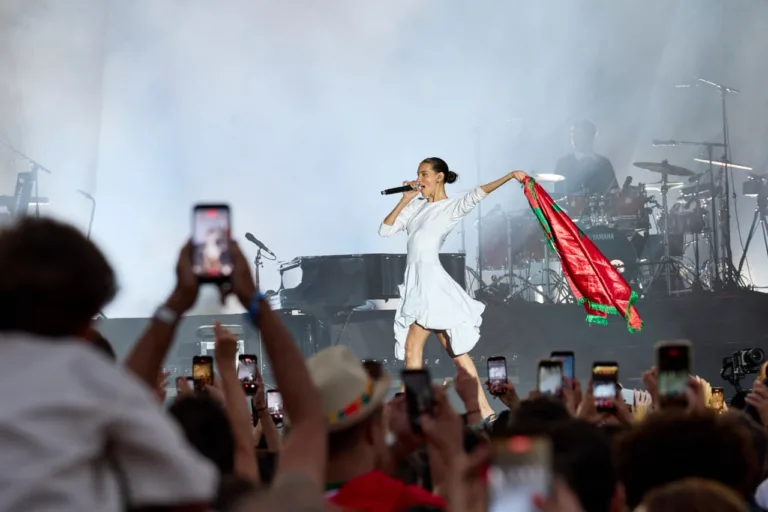
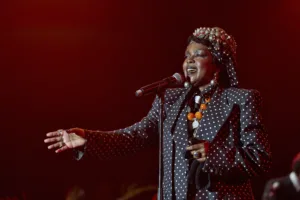
As Lauryn Hill stepped onto the Casa Anfa stage, the audience erupted into cheers, welcoming the artist whose music has shaped generations across the globe.
Blending hip-hop, soul, reggae, and R&B with the unmistakable voice that has defined her career for decades, Hill reminded festivalgoers why her return to Morocco had generated so much anticipation.
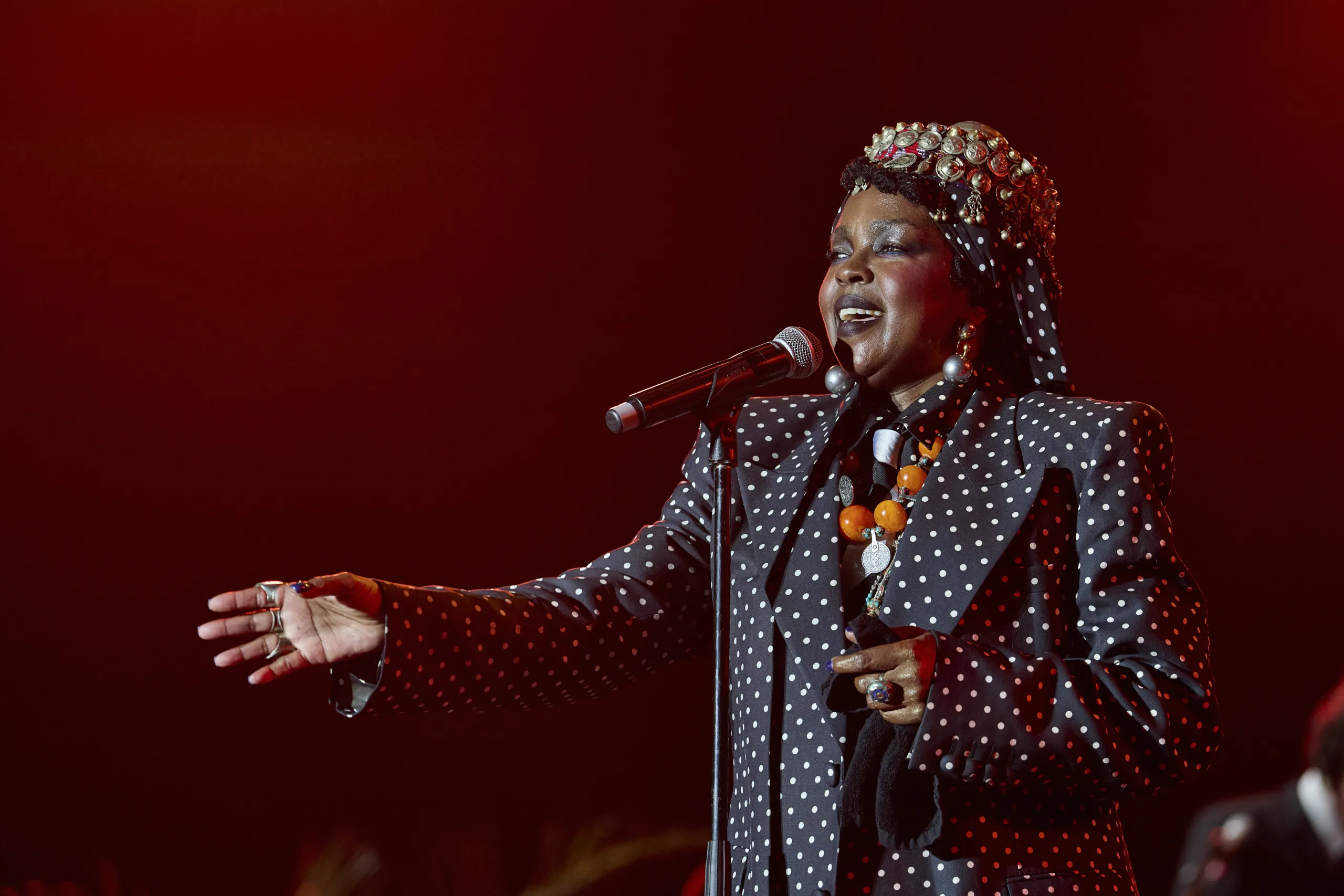
Dressed in a black outfit adorned with white polka dots, she moved effortlessly through a repertoire that balanced timeless classics with powerful stage presence, captivating the audience from beginning to end.
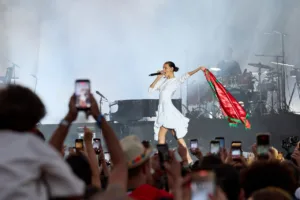
Throughout the concert, Casa Anfa remained filled with nonstop applause, dancing, and singalongs.
Every corner of the venue echoed with the enthusiasm that had defined Jazzablanca over the previous ten days, reaching one of its highest points during Hill’s set.
The reaction was hardly surprising. Few artists have shaped modern music quite like Lauryn Hill.
A voice that shaped generations
She first rose to prominence in the 1990s as a member of the legendary Fugees before redefining hip-hop, soul, and R&B with her solo debut, “The Miseducation of Lauryn Hill.”
Released in 1998, the album became a landmark record, earning five Grammy Awards and cementing Hill’s place among the most influential artists of her generation. More than two decades later, its impact continues to resonate across contemporary music.
Her Jazzablanca appearance also marked a return to Morocco nine years after performing at Mawazine in 2017.
The warm reception reflected not only the excitement surrounding the concert, but also the lasting admiration Moroccan audiences continue to have for an artist whose work has stood the test of time.
Read also: Gente de Zona Bring Caribbean Rhythms to Jazzablanca