Washington – Morocco holds some of the most iconic structures with magnificent architectural features.
A few key features of traditional Moroccan architecture are horseshoe arches, riads, medinas, tilework, and carved stucco, showing a defined blend of Islamic, Amazigh, and colonial influences.
Here are a few important designs to check out while in Morocco.
University of al-Qarawiyyin
Based in Fez, the University of al-Qarawiyyin is the world’s oldest operating university, and stunningly beautiful.
Originally founded as a mosque 1,160 years ago, it eventually advanced into a crucial role in academic and cultural history.
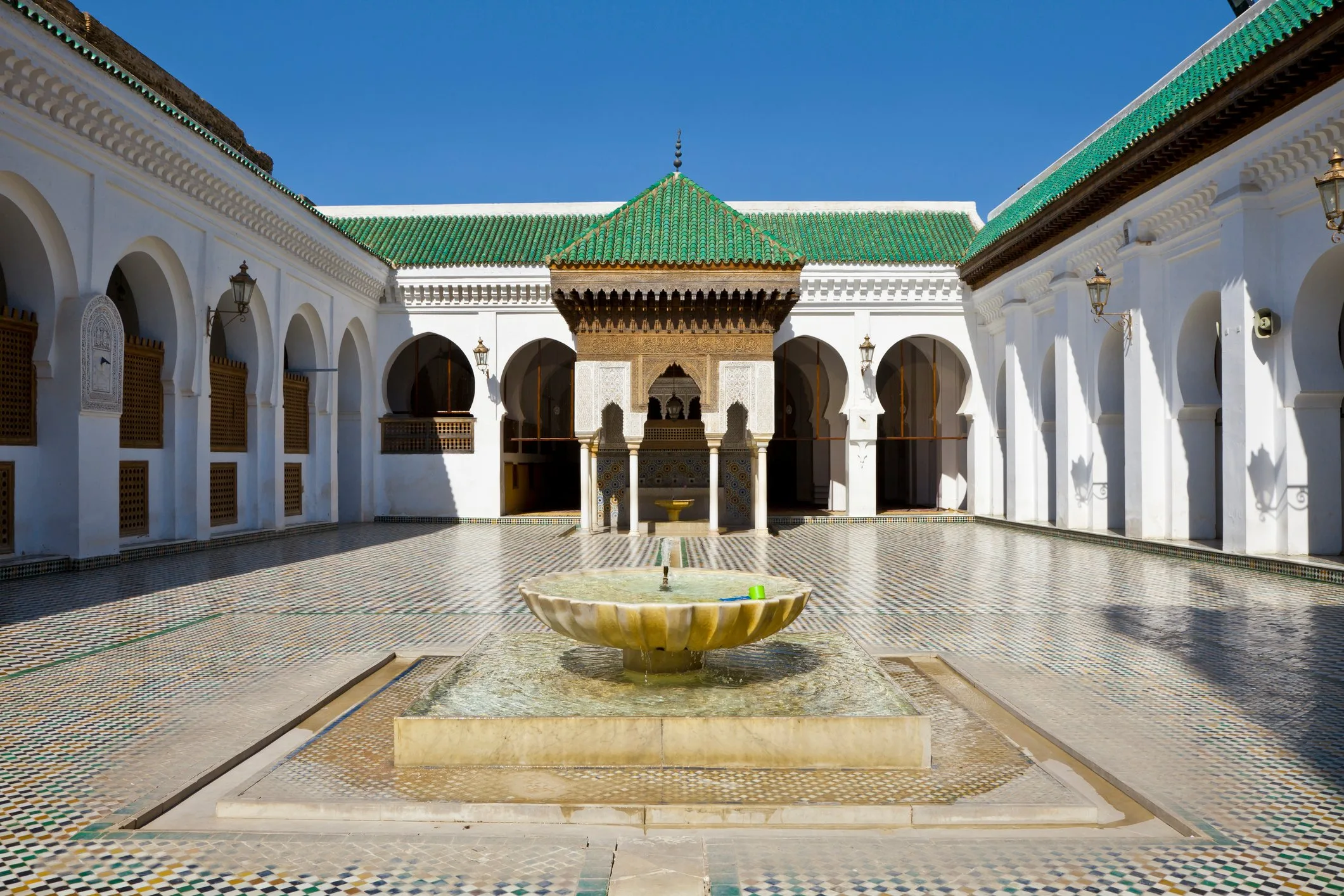
Visitors and students can experience a combination of Moorish and Andalusian Islamic architecture, with classic horseshoe arches, detailed tilework, and vaulted ceilings.
Natural light and community gatherings are promoted in their courtyard layout, giving a traditional Islamic design to them.
Thousands of rare manuscripts lie in the Al Quaraouiyine Library, which is also considered one of the oldest operating libraries.
Guided tours are available for those wanting the rich history of the site, as well as access to the Fez medina surrounding the prayer hall.
Volubilis
Morocco’s unique ancient Roman city is known for its history and preserved ruins.
This special architectural site exemplifies Moroccan architecture with its mosaics, basilica, and triumphal arch of Caracalla; the ancient craftsmen’s artistry is presented well here.
As the city was largely abandoned due to a power shift to other nearby cities, the piece of history is now a UNESCO World Heritage Site, for history and archeology lovers to visit.
Visitors can spend hours strolling around the ruins, as it is open to the public and offers distinctive landscapes that surround the site.
Volubilis is near Moulay Idriss Zerhoun, which is approximately 30 kilometers north of Meknes, but make sure to visit around spring or fall, as it is suggested to be the best time to go.
Hassan II Mosque
Overlooking the Atlantic Ocean in Casablanca, the Hassan II Mosque was completed in 1993 and serves as a place of worship and a landmark.
With nine hectares of space, around 105,000 worshippers can be accommodated at one time, with some inside and others outside.
Standing at 210 meters tall, the towering minaret is the iconic feature of this mosque; the walls are decorated with handcrafted marble, and it has a retractable roof that permits light and air flow.
The craftsmanship of woodwork, tilework, and plaster carving reflects Moroccan artistry with modern engineering, giving the mosque a unique identity.
The spiritual atmosphere draws visitors in as they admire the beauty and craftsmanship of the sacred space.