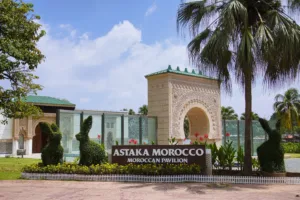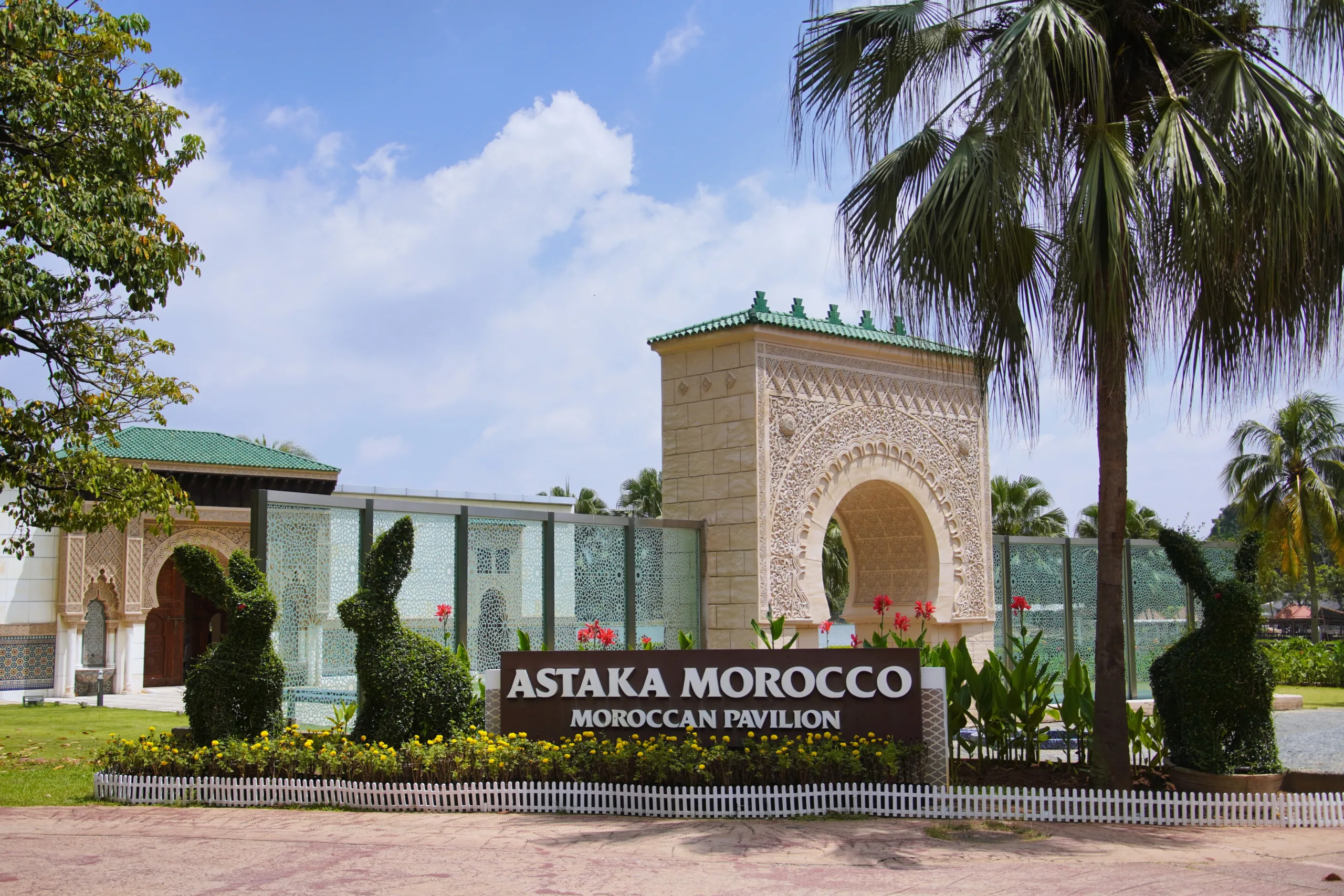
Safi – In the botanical garden of Putrajaya, Malaysia’s administrative capital, Astaka Morocco brings a corner of Morocco to life amid the tropical landscape.
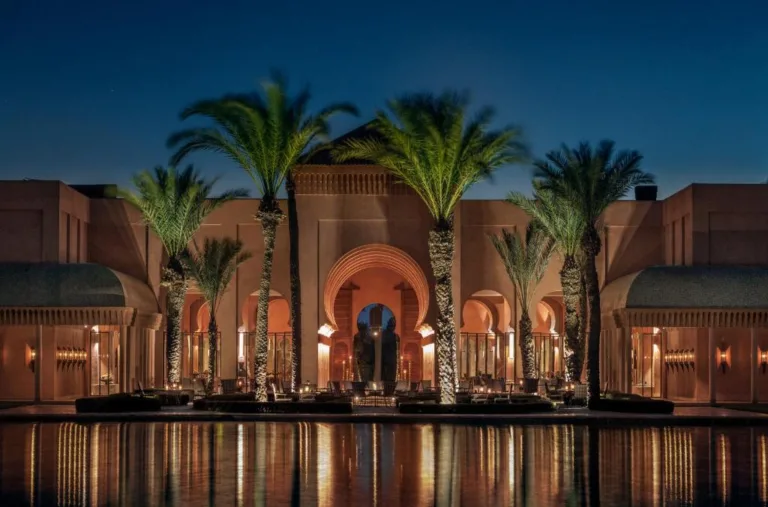
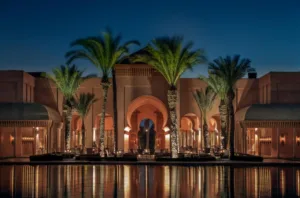
A facade of blond stone, horseshoe arches, and a star-shaped pool of blue-and-white zellige welcomes visitors to the Moroccan-inspired landmark.
Spanning nearly 6,880 square meters, the open-air museum was built by the Putrajaya Corporation, the authority behind the city.
Every detail was crafted by Moroccan master artisans using traditional materials shipped from Morocco, showcasing the country’s renowned architectural heritage.
Built as a tribute to Morocco, the pavilion took shape between 2003 and 2006, when the country hosted the Organization of Islamic Cooperation summit.
Moroccan artisans oversaw its craftsmanship throughout the project.
The pavilion was designed to showcase Moroccan architecture, offering a distinct alternative to the Uzbek and Middle Eastern styles more commonly found across Southeast Asia.
Its design also draws inspiration from Andalusian heritage, incorporating elements inspired by Spain’s Alhambra in Granada and the Aljafería Palace in Zaragoza.
The Moroccan Pavilion is laid out around three courtyards and holds six themed galleries. Four are dedicated to the imperial cities of Marrakech, Fez, Meknes and Rabat, alongside two exhibitions showcasing Essaouira and the Atlas.
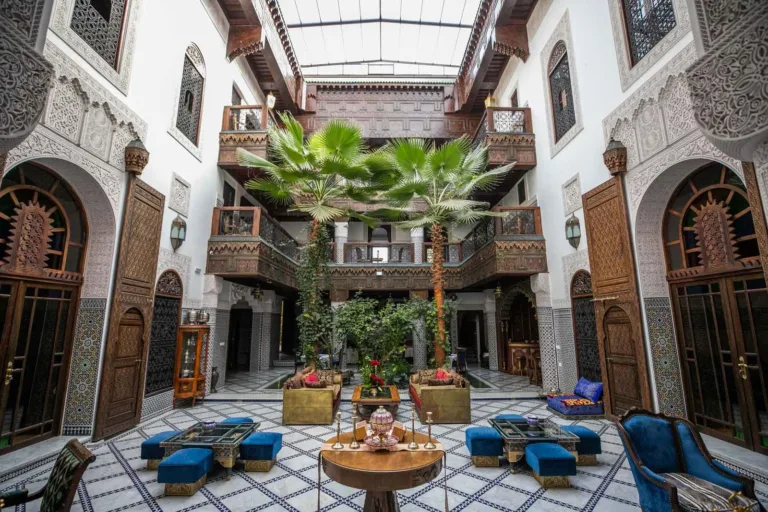
The pavilion’s three open courtyards are lined with palm trees, tiled water channels, and reflecting pools, with several openings overlooking Putrajaya Lake.
Intricately carved plaster friezes and bands of Quranic calligraphy decorate the arches, reflecting traditional Moroccan craftsmanship.
Each gallery reflects the character of a different Moroccan destination through its color palette and design.
The Marrakech gallery, for example, is finished in a soft rose hue inspired by the city’s iconic ochre walls, with intricate 16-point star motifs crafted in brown, turquoise, and saffron ceramic.
Fez is centered around a grand carved-plaster arch adorned with blue, ocher, and green zellige, meticulously using the traditional techniques of Moroccan Maalems, the master artisans known for their intricate work.
Essaouira features a hand-painted double door in shades of turquoise and rose, its gently weathered finish revealing the intricate geometric patterns beneath the paint.
The Meknes gallery adopts a more subdued palette of blue and ochre tones, featuring an antique rifle that pays tribute to the city’s long-standing tradition of decorative gunsmithing.
Throughout the pavilion, the scent of Atlas cedar lingers, adding another layer to the immersive Moroccan experience.
More than two decades after its construction, Astaka Morocco has become Putrajaya’s most photographed landmark, standing alongside iconic sites such as the Putra Mosque and Perdana Putra, the Malaysian prime minister’s office.