From Feast to Famine: How Moroccans Adapt After Ramadan and Eid
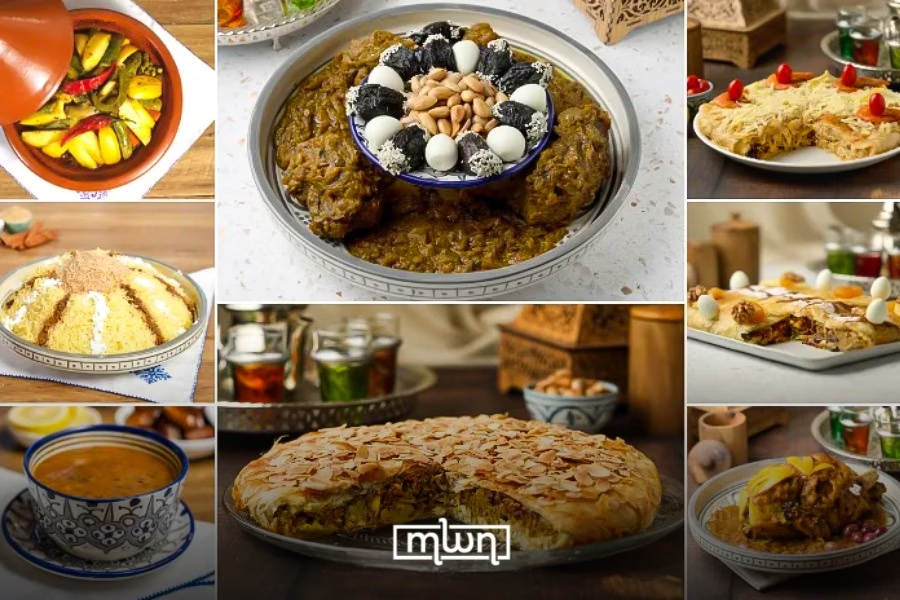
Ramadan is over, Eid has passed, and suddenly, our fridges look suspiciously empty. Fez – One day, you’re dining like royalty, feasting on lamb, sweets, and delicacies fit for a sultan. The next, you’re staring at a sad bowl of plain lentils, wondering how life took such a drastic turn. Welcome to post-Ramadan reality in Morocco, where the transition from indulgence to normalcy feels like stepping off a magic carpet ride straight into a budgeting seminar. During Ramadan, Moroccan tables overflow with harira, chebakia, briouats, msemen, and enough dates to supply an entire oasis. Suhoor and iftar become sacred culinary rituals, elevating even the simplest ingredients into lavish experiences. Then comes Eid, the grand finale, a day of feasting where the diet takes a backseat and sugar levels reach record highs. But the moment Eid ends, reality comes knocking. The extravagant spreads vanish, replaced by humble meals that whisper, “Let’s calm down.” No more daily pastries or meat-heavy dishes; it’s time for lentils, vegetable tagines, and maybe, if luck permits, some leftover Eid cookies rationed with military precision. The fridge that once looked like a palace banquet hall now resembles a minimalist art exhibit. After a month of nocturnal feasting, returning to regular meal times is a challenge. Breakfast after 8 a.m. feels unnatural, and lunch at noon? Practically illegal. The stomach, confused and betrayed, demands harira at sunset while the brain struggles to remember how to function without a caffeine-fueled iftar rush. It takes days, sometimes weeks, to reset digestive clocks and rediscover what hunger feels like outside of carefully scheduled fasting hours. During Ramadan, fatigue is expected, and naps are a daily survival tactic. Post-Ramadan, however, people expect to feel refreshed and energized only to realize that their bodies have adapted to a unique rhythm. The struggle is real: Waking up early feels like a punishment, and the 3 p.m. slump is worse than ever. The adjustment is slow, and coffee consumption skyrockets as people attempt to power through the post-Eid haze. Ramadan brings a sense of community, reflection, and structured purpose. Once it’s over, there’s an undeniable void. The evenings lack the same excitement, and the spiritual momentum can feel difficult to maintain. Moroccans counter this by easing back into routine with social gatherings, post-Eid tea sessions, and, of course, complaining about how much weight they’ve gained (only to complain later about missing Ramadan feasts). Life after Ramadan and Eid is a readjustment, a journey from indulgence back to balance. The food may be simpler, the schedule more rigid, but one thing remains unchanged: Moroccans will always find a way to make even the simplest meal feel like a celebration. Read also: Eid Al Fitr: What to Wear If Traditional Outfits Aren’t Your Thing
One Moroccan Dish, A Thousand Names
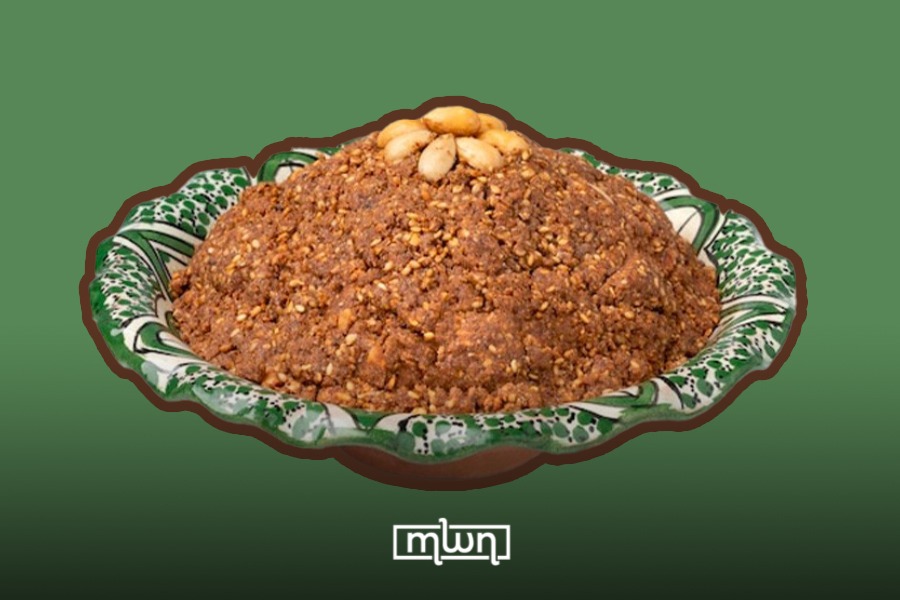
In Morocco, one dish unites the nation but divides it by name: Fez — Ever heard someone call a dish something completely different than you know it in their city and wondered if we’re even talking about the same thing? That’s exactly the case with Moroccan “sellou,” a sweet and nutty paste that goes by countless names depending on where you are in the country. This iconic dish, made from roasted flour, nuts, sesame seeds, butter, and honey, is a must-have for special occasions and the traditional “kaskrout” (afternoon tea) spread. Sellou is a dish that transcends regional boundaries in Morocco, but it’s far from uniform when it comes to what people call it. Each city or region has its own name for this treat, adding a layer of cultural richness to an already beloved dish. While most Moroccans know it as “sellou”, others recognize it by different names that reflect their local dialects and traditions. For instance, in some parts of the country, it’s called “Sfouf”, a name that’s as popular as it is sweet. Meanwhile, in other areas, you might hear it referred to as “Zmeta”, a term that’s deeply rooted in certain Moroccan communities. Moving further into specific regions, names like “Takenta” and “Tkawet” emerge, showcasing the diverse ways this dish is perceived and celebrated. In Amazigh-speaking regions, you might come across the name “Amlal Imimn”, which reflects the cultural and linguistic heritage of the area. And then there’s the intriguing moniker “Trab Lehlou” (sweet sand), rumored to be used in certain rural parts of Morocco. It’s easy to see how this name came about, given sellou’s sandy, crumbly texture before it’s packed into its paste form. This diversity in naming isn’t just fascinating; it’s a testament to Morocco’s rich cultural tapestry. It shows how one dish can be embraced and adapted in countless ways, becoming a symbol of shared heritage while retaining local uniqueness. So, what do you call sellou in your region? Whether it’s Sfouf, Zmeta, Takenta, or something else entirely, one thing’s for sure: sellou is a dish that unites Moroccans through its flavor, even if its name divides them. Read also: Back to the Golden Days of Moroccan Sitcoms