Traditional Moroccan Sports
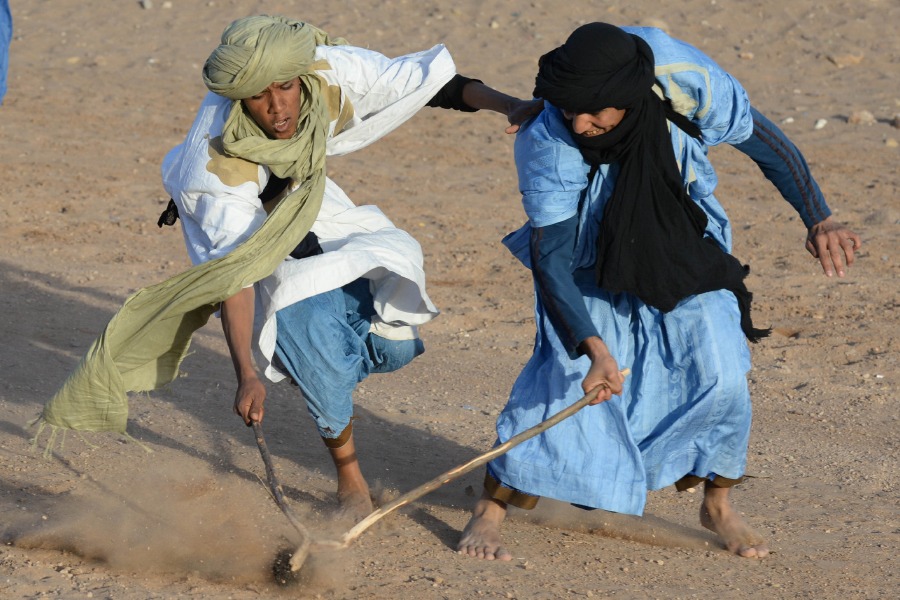
As Morocco races toward modernity, its traditional sports are struggling to keep up. Can they survive the test of time? Fez– Not so long ago, traditional sports held a special place in Moroccan culture. They weren’t just for fun, they were a way to bring people together, teach values like teamwork and respect, and strengthen community ties. But with modern life moving at full speed, many of these sports are disappearing. Some rural areas still fight to keep them alive through annual festivals, local clubs, and informal gatherings. Types of traditional sports Traditional Moroccan sports fall into two main categories: those that involve animals and those that rely entirely on human skill. Sports involving animals: Tbourida (Fantasia) This famous equestrian sport is a dazzling display of horsemanship and synchronized gunfire. Originally a military training technique, it has evolved into a competitive sport and a major attraction at festivals, with riders in colorful traditional outfits charging forward before firing their rifles in perfect unison. Camel racing Popular in Morocco’s southern regions, camel racing is a high-speed competition held on sandy tracks. Riders urge their camels forward in a test of endurance, skill, and strategy. It remains a key feature of events like the Tan-Tan Festival. Mata Played in northern Morocco, Mata is a fast-paced game where two teams compete to seize a decorated doll called “the bride.” The goal is to carry it back to their tribe while dodging opponents on horseback. It requires quick thinking, agility, and teamwork. Falconry Practiced mainly in the Doukkala region, falconry is an ancient hunting tradition where trained falcons are released to catch prey like rabbits and partridges. It’s a sport that demands patience, precision, and a deep bond between hunter and bird. Sloughi hunting In the Moroccan countryside, hunting with Sloughi dogs is both a sport and a cultural tradition. These sleek, fast hounds chase down rabbits, competing to be the first to catch them. Some regions even hold Sloughi races to test their speed and endurance. Sports based on human strength and skill Archery and shooting Historically, archery was an essential skill for Moroccan warriors. Over time, it transformed into a sport where participants use rifles or handmade bows to hit distant targets. Khbit Chara A precision shooting game played in the desert, where marksmen aim at small, hard-to-hit objects like metal plates or stones placed far away. It requires extreme focus and accuracy. Meshkah A traditional game similar to hockey, played with wooden sticks and a handmade ball. Two teams compete to score the most goals on a field with goalposts and boundary lines. Jbad lhbel (Tug-of-War) A test of raw strength and teamwork, this game involves two teams pulling on opposite ends of a thick rope. The team that drags the other across a marked line wins. Korara A wrestling-style sport, similar to judo, where the goal is to lift an opponent off the ground and throw them inside a circular ring. Ardoukh A game that combines wrestling and strategy, where players try to lock their opponents in a hold and force them to the ground. The fight to keep these sports alive Once widespread, many of these sports are now fading into history. They were once a key part of childhood, courtship rituals, and social gatherings, but today, fewer young people practice them. While some festivals and associations are working to preserve these traditions, without greater efforts, Morocco risks losing a rich and unique part of its cultural heritage. Read also: How Morocco’s Youth Are Redefining Ramadan Traditions with Social Media
Experience the Unique Charm of Fez Marathon This Sunday
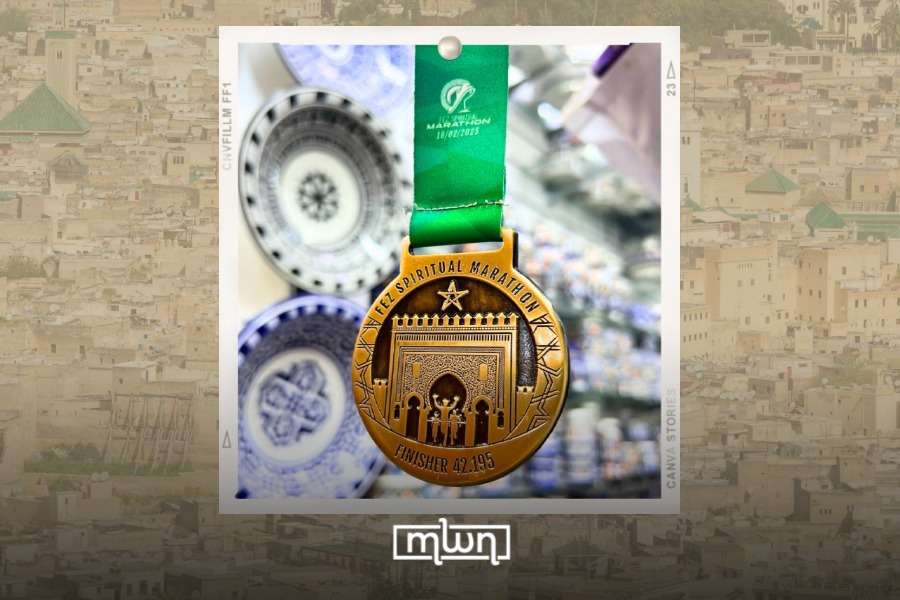
Fez is set for something special, but only those who are there will truly feel it. Fez – Fez, the spiritual and cultural capital of Morocco, is getting ready for an exciting event this Sunday: the Fez Marathon. This race will bring together runners from different cities and even other countries, all eager to experience the charm of this historic city while pushing their limits. Fez is not like Casablanca with its modern lifestyle, nor does it have the flashy energy of Marrakech. It stays true to its traditions and deep-rooted values. Walking through its streets feels like traveling back in time. The old Medina, a UNESCO World Heritage site since 1981, is one of the best-preserved in the Arab world. Founded in the 9th century, it is home to Al Quaraouiyine University, one of the oldest in existence. This marathon is not just about running. It is about discovering Fez in a unique way. Participants will pass through ancient streets, beautiful mosques, and historic sites. The route might take them near traditional markets, past skilled artisans working with leather and metal, and through lively squares filled with the sounds of daily life. Read also: Each step will carry a piece of history, making the race an unforgettable experience. The race will test endurance and strength, but it will also give runners a chance to appreciate the beauty of Fez. From its riads and hotels to its fountains and palaces, Fez’s architecture tells a story of a rich past. The Medina of Fez remains authentic, preserving its identity through the centuries. Locals are excited about the event. Many will come out to cheer for the runners, adding to the energy of the race. Organizers hope that this marathon will not only promote sports and a healthy lifestyle but also encourage visitors to explore the city beyond the race. For those coming to Fez for the first time, the marathon offers a chance to see the city differently. It is not just about running on the streets; it is about feeling the spirit of Fez. Whether they run for competition or for fun, every participant will leave with a special memory of this extraordinary place. As the countdown to Sunday begins, excitement is in the air. The Fez Marathon is more than a race, it is a journey through history, tradition, and the heart of a city that never loses its soul. Read also: ENSIAS Engineering Students Prepare for 12th Edition of Socio-Medical Caravan
Girls, Football, and Energy
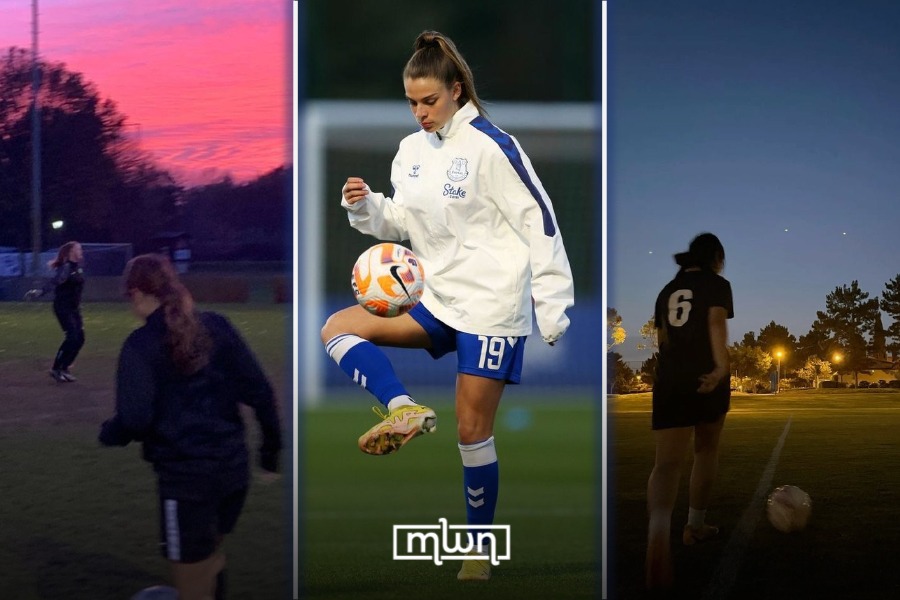
When girls play football, they aren’t just learning to score goals; they’re learning to navigate life. Marrakech – On a football field, there’s no such thing as one way to play. It’s a sport that demands strength and strategy, power and precision — a balancing act that feels as natural as the game itself. For girls stepping onto that field, soccer becomes more than just a match; it’s an arena where energy — masculine and feminine — comes alive in ways that redefine both. Take a moment to watch a game. There’s the bold, unyielding force of a tackle, an unmistakable display of what’s often labeled “masculine energy” — assertive, aggressive, and unrelenting. But just as quickly, there’s the graceful arc of a perfectly timed pass or the intuitive connection between teammates moving in sync, a nod to feminine energy — collaborative, creative, and deliberate. Football refuses to separate the two; it’s where they merge into something extraordinary. For decades, strength and dominance on the field were seen as the hallmark of masculinity, but girls in football l are flipping that script. They show that toughness isn’t gendered, and collaboration isn’t weakness. Sliding into a challenge or commanding the game with sharp decisions doesn’t erase softness or care. Instead, it magnifies the beauty of balancing both energies in pursuit of a goal. Off the field, the impact of this balance becomes even clearer. Football teaches girls to take up space unapologetically, to find confidence in power without losing touch with empathy. It dismantles the myth that one has to choose between being bold and being kind, showing instead that strength is most formidable when it’s paired with grace. Girls prove that femininity and masculinity aren’t opposites but complementary forces that, when embraced together, can change the game — both on and off the field. In this sense , football is for girls a metaphor for something bigger: the freedom to define energy on their terms. No rules. No limits. Just the beautiful game, reimagined.