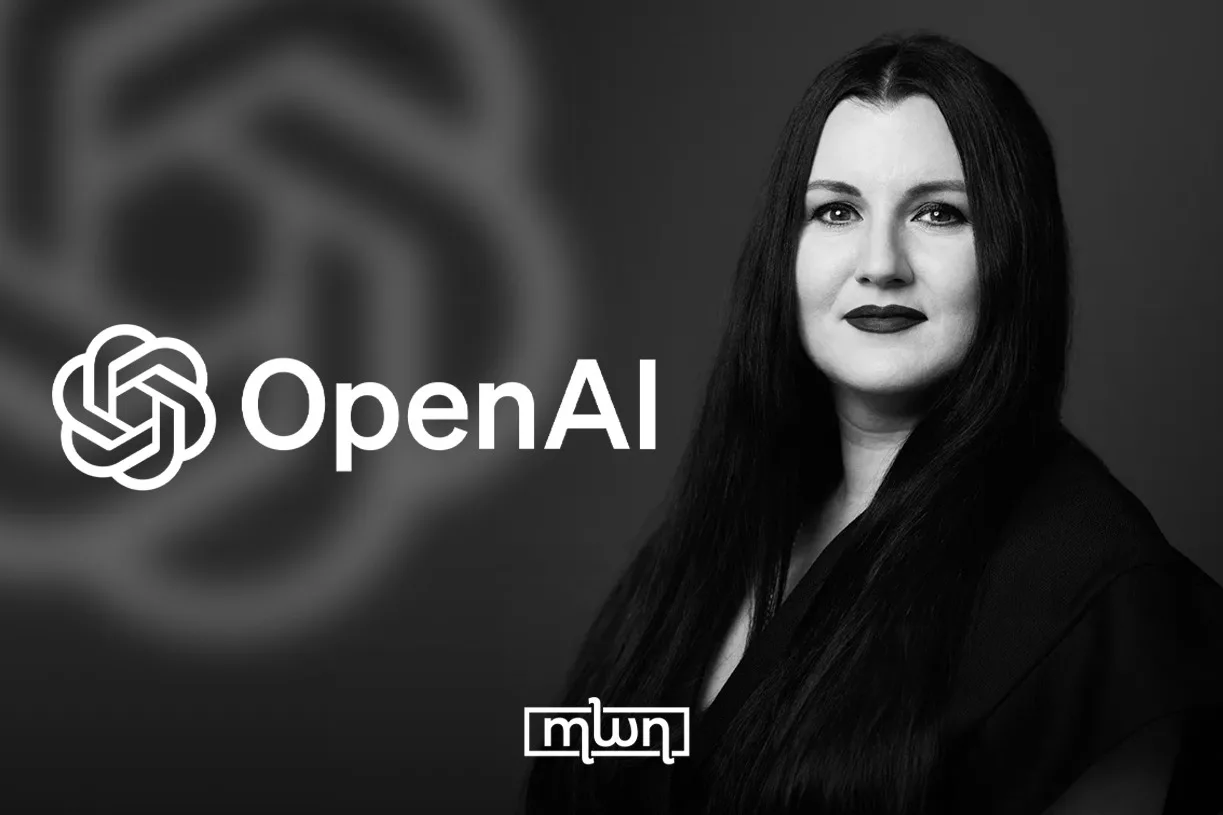
Fez — OpenAI is undergoing a fresh leadership reshuffle after Fidji Simo, the company’s executive in charge of AGI deployment, took medical leave for what reports say will be several weeks.
In her absence, OpenAI President Greg Brockman is expected to oversee the product organization, while other senior roles are also being reorganized.
The move comes at a sensitive moment for OpenAI, as the company continues to scale its consumer and enterprise operations while facing growing pressure to streamline priorities.
Multiple outlets reported that Brad Lightcap is shifting out of his chief operating officer role into a “special projects” position, while Chief Marketing Officer Kate Rouch is also taking leave for health reasons and is expected to return in a narrower role.
Simo joined OpenAI after Sam Altman announced in May 2025 that she would become CEO of Applications, a newly created role designed to help scale the company’s business and product functions.
Reuters reported at the time that she would report directly to Altman, while Altman would remain overall CEO.
More recently, public profiles and current reporting have referred to her role as CEO of AGI deployment, reflecting how OpenAI’s internal structure has continued to evolve during a period of rapid expansion.
A broader OpenAI reset
The reported changes suggest that OpenAI is trying to tighten its executive structure rather than merely cover temporary absences. According to current coverage, Greg Brockman will take over Simo’s product responsibilities, while parts of Lightcap’s previous portfolio are being redistributed across other business leaders. That indicates a wider reallocation of power inside the company as it tries to keep momentum across research, product, and commercial growth at the same time.
OpenAI has publicly presented the situation as one of continuity. A company spokesperson told multiple outlets that the leadership team remains focused on frontier research, enterprise growth, and a global user base approaching one billion users. That language points to the scale OpenAI is now claiming for its platform ambitions, even as internal responsibilities shift.
The reorganization also lands against a larger financial and strategic backdrop. Recent reporting indicates that OpenAI is pursuing an IPO as soon as 2026 and has been described as carrying an $852 billion valuation after a massive funding round.
Those figures show why even temporary executive absences are being watched closely: OpenAI is no longer being judged only as a research lab, but as one of the world’s most consequential tech companies.
For now, the most immediate story is not a product launch but a question of stability. As OpenAI pushes to expand its global reach and define the next phase of applied AI, its ability to manage leadership transitions without slowing execution may matter almost as much as the technology itself.