Rabat – For a story that has survived for nearly 3,000 years, adapting “The Odyssey” comes with an obvious challenge: how much can a filmmaker change before the story stops feeling like the original?
Christopher Nolan appears to be answering that question by keeping Homer’s core journey intact while reworking the epic into a more cinematic, contemporary experience.
The Oscar-winning filmmaker behind “Oppenheimer” and “Inception” is adapting Homer’s roughly 600-page epic into a three-hour film, bringing his signature approach to scale, time and storytelling.
But rather than attempting a scene-for-scene translation, Nolan is making choices that streamline, reshape and potentially expand elements of the original.
At its heart, Homer’s “Odyssey” follows Odysseus, the king of Ithaca, as he struggles to return home after the Trojan War.
His journey is anything but straightforward, taking him through encounters with gods, monsters, temptations and supernatural forces while his wife, Penelope, and son, Telemachus, wait for him in Ithaca.
Nolan’s version appears to preserve that central quest while placing greater emphasis on the psychological weight of Odysseus’ journey.
This is not simply a hero trying to find his way home. It is a broken man carrying the aftermath of war, haunted by what he has experienced and forced to confront forces far beyond his control.
That distinction matters because Homer’s epic is as much about identity, loyalty and the consequences of war as it is about adventure.
Nolan’s interpretation seems poised to push those themes into the foreground, using his own visual and narrative language rather than treating the ancient text as a blueprint.
The role of Gods was much bigger than what Nolan has pictured
In Homer’s version; the Gods, such as Calypso and Athena, have a stronger influence on the events compared to Nolan’s version.
Whereas Nolan tried to reduce the power of gods as much as possible, in order to leave the room for other supernatural forces.
The disguise of Odysseus
Homer kept Odysseus wandering a lot around Ithaca, disguised as an old beggar, while gathering intel on the suiters and remained loyal to him.
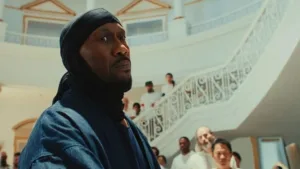
While in Nolan’s movies, Odysseus simply shields his bruised-and-battered face with the hood of his cloak.
The ending: Far from Homer’s tale
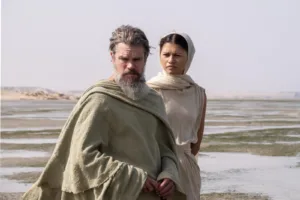
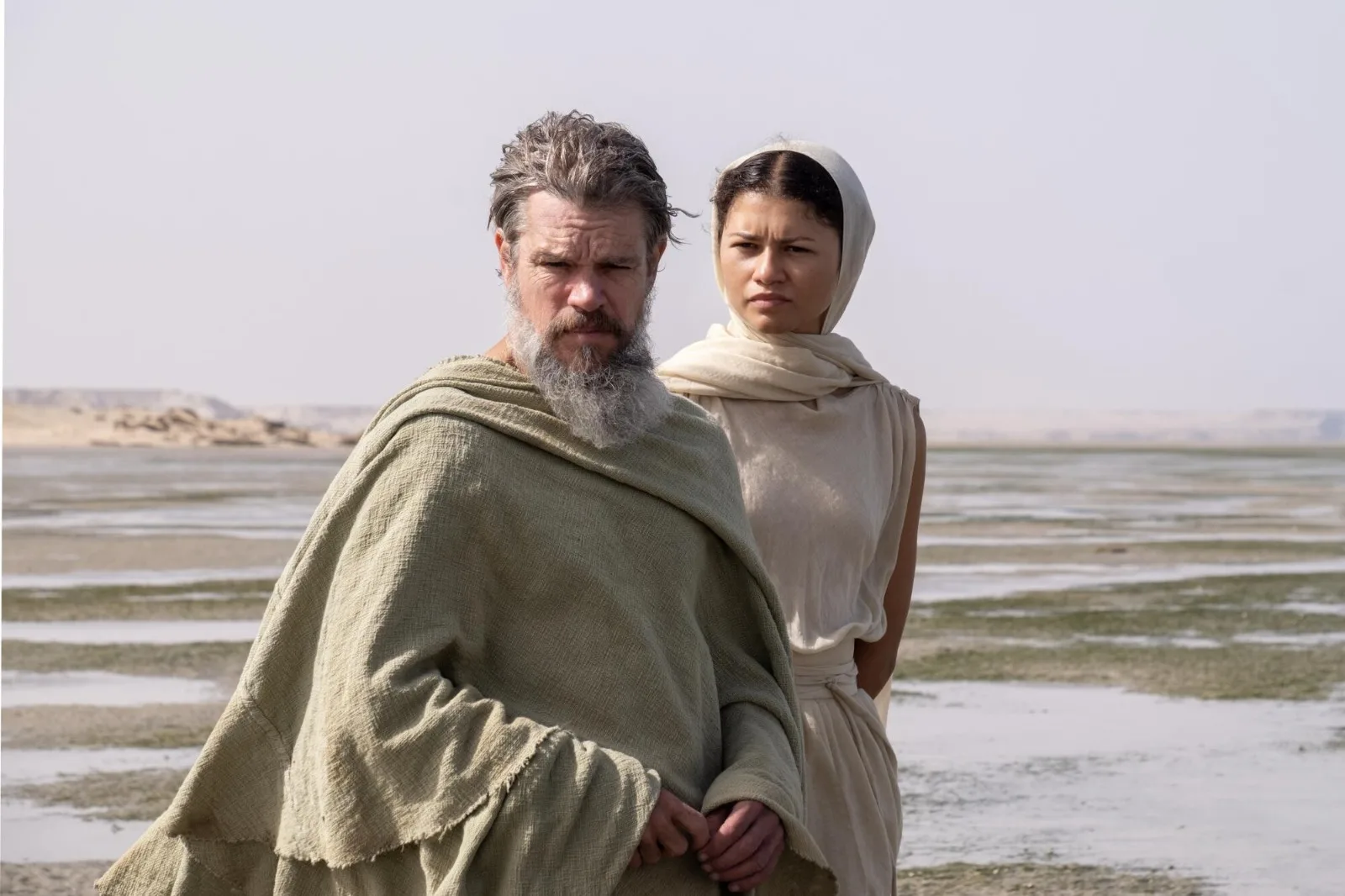
In the movie, Nolan ended the story with the encounter of Penelope and a heavily wounded Odysseus from the battle royale, before the two sailed away, having been forced into exile.
In the original story, the families of the slain suitors attack Odysseus, but Athena stops the fight and restores peace.
Then, it all ends with Odysseus and Penelope living in peace as king and queen of Ithaca once more.