Fez — Smithsonian Magazine has put Marrakech’s tanjia in the international spotlight, describing the iconic meat stew as a dish shaped by shared infrastructure, neighborhood labor, and the intimate social life of the old medina.
In a feature published by Rathina Sankari, the magazine explored how tanjia differs from many Moroccan dishes because it is often prepared outside the home.
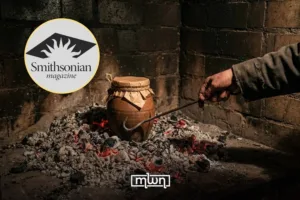
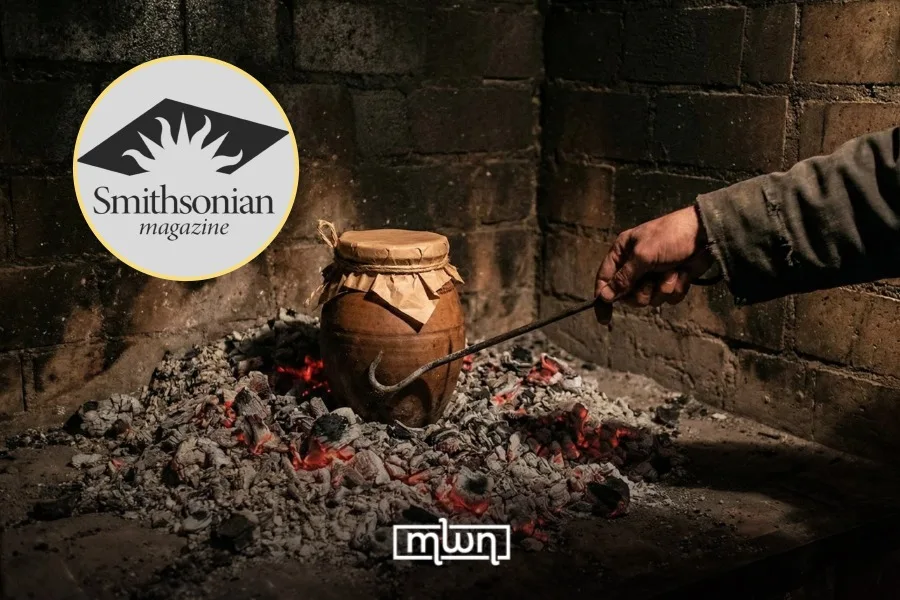
Rather than cooking in a private kitchen, Marrakchis traditionally send the clay urn to a hammam or neighborhood oven, where residual heat slowly transforms meat, spices, preserved lemon, and fat into a deeply tender meal.
The piece follows Akram Khay, a hospitality worker in Marrakech, as he buys beef shank, places it in a traditional clay urn, and sends it through the medina’s chain of butchers, spice sellers, and oven workers.
“It’s a monthly affair, if not a weekly one,” Khay told the magazine, describing the ritual of gathering with friends to share the dish.
A dish tied to the city’s rhythm
For “Smithsonian Magazine,” tanjia is not only food. It is a map of Marrakech’s older civic life, where bathhouses, communal ovens, craftsmen, and public gathering places formed one connected system.
The article quotes Moroccan chef and cookbook author Nargisse Benkabbou, who said: “Tanjia is a reflection of that urban intimacy.” She added that the dish feels tied to “a very particular rhythm of life.”
That rhythm is central to the dish’s meaning. A tanjia is assembled quickly, but it demands patience. The urn is sealed, placed in the embers beneath a hammam furnace or inside a communal oven, and left to cook for hours.
The result is a meal built around waiting, trust, and shared space. The furnachi, or oven operator, manages heat for an entire neighborhood, cooking bread, pastries, meat, and tanjia for different families and groups.
One fire for many homes
The article also highlights the practical intelligence behind Marrakech’s communal systems. In the dense medina, shared ovens and hammams helped households save fuel, water, and space long before modern conveniences became widespread.
Hassan Radoine, an architecture curator and educator at Mohammed VI Polytechnic University, told the magazine that hammams are “cohesion centers,” calling them part of a wider urban system linking heat, water, hygiene, and neighborhood life.
He also described the ferranes, or communal ovens, as “a great lesson in sustainability and resilience,” a line that captures why tanjia still speaks to contemporary concerns about resource use and community life.
From everyday ritual to cultural symbol
The feature notes that tanjia has also changed with tourism. Restaurants now present the dish as a symbol of Marrakech, sometimes adapting the recipe for visitors through heavier spicing or more theatrical service.
Benkabbou warned that the dish’s setting has shifted “from something lived and everyday to something curated and symbolic.” Still, she argued that restaurant versions can work if they “respect where the dish comes from.”
The story’s strongest point is that tanjia survives because it adapts. Whether eaten in a garden with friends, served in a medina restaurant, or cooked in the embers of a hammam, it continues to carry the memory of Marrakech’s communal life.