Safi – According to the National Kitchen & Bath Association (NKBA), the organization behind the annual Kitchen & Bath Industry Show, “invisible wellness by design” is one of the defining trends of 2026.
The concept reflects a quiet shift away from the gadget-filled homes of the past decade, prioritizing spaces that support well-being without drawing attention to the technology behind them.
At its core, the idea is simple. Instead of buying machines that sit on counters and blink for attention, comfort moves into the building itself: the light, the air, the sound, and the warmth of the rooms.
The association’s researchers put it plainly: lighting quality, acoustics, airflow, and water filtration shape how a space feels to live in, often more than the finishes themselves.
In other words, the things you never notice matter more than the things you chose to show off.
A step away from the age of endless notifications
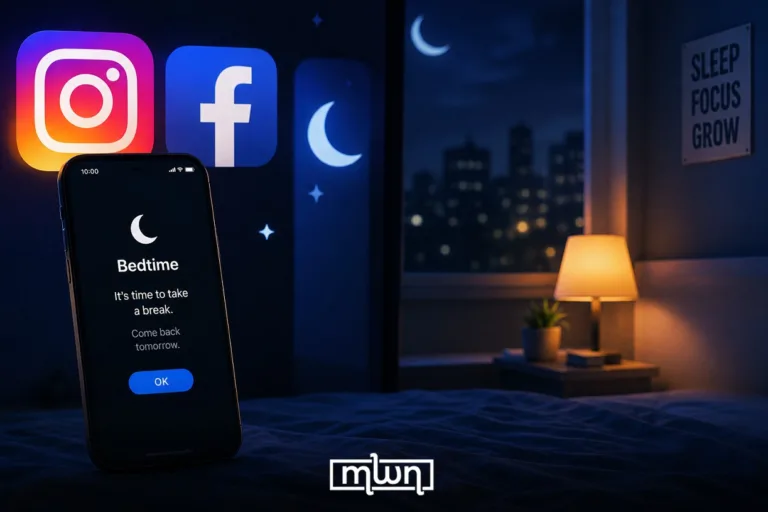
The first smart homes promised ease and delivered work. Every device came with a screen, an app, an alert, and a password, and the result was a house that behaved like one more colleague demanding answers.
That fatigue explains the timing. After days ruled by screens and schedules, people want the one place that asks nothing of them, and a growing number will pay for it.
This January, the Global Wellness Summit’s 2026 report pointed the same direction with what it calls longevity residences, homes meant to support longer, healthier lives.
In Morocco’s own market, the turn is already visible. New apartment towers in Casablanca and Rabat are built and finished much like their equivalents in Madrid or Dubai, and the ornate look most foreigners expect of a Moroccan interior now lives mostly in riads restored for visitors.
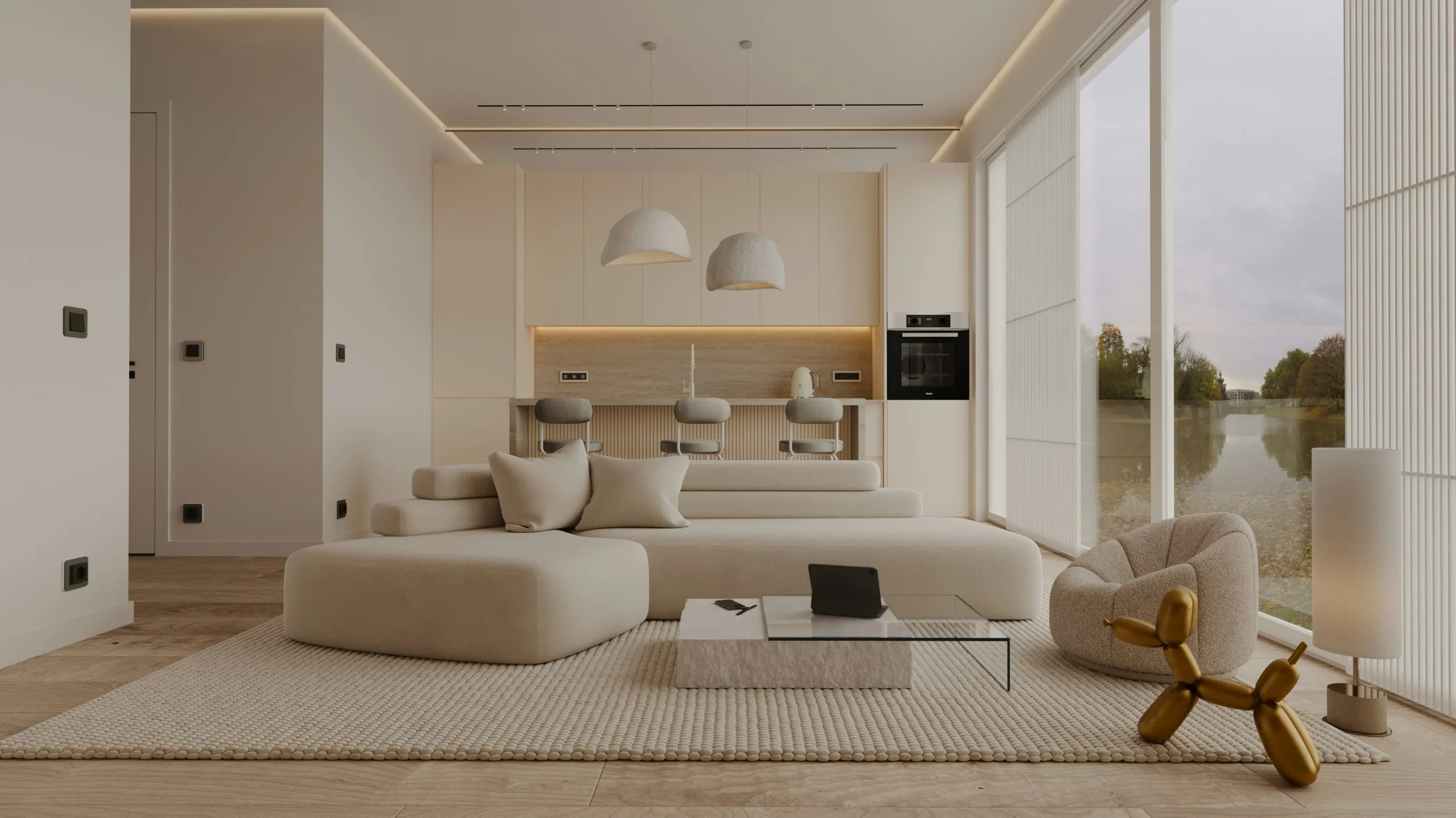
What young owners here ask of a new flat is closer to a refuge: calm surfaces, soft light, and no noise.
Three layers, one result
As decor, the trend is an aesthetic of absence. Speakers are plastered flat into walls, induction burners hide under a plain stone counter that shows nothing until a pot lands on it, and sound-absorbing panels are printed to read as artwork.
The room looks like it holds no technology at all.
As wellness, science rides on the body’s clock. Built-in lighting shifts from cool morning tones to warm amber by evening, the way daylight does, which helps the body wind down on time. Warm floors replace blowing air, so dust stays down. Filtration cleans the water before it ever reaches the tap.
The technology is still there, but it works quietly in the background.
Air-quality sensors activate hidden ventilation when a room becomes stale, while motorized shades lower automatically as the afternoon sun reaches the windows. No alerts. No interruptions.
Five pieces that deliver it without a renovation
The full version of this trend lives inside walls and floors. Most of its benefit, though, fits a rented flat:
- Circadian bulbs: The easiest place to start: screw one into a lamp you already own, and its light follows the sun, cool at breakfast, candle-warm by night.
- An acoustic panel that reads as art: Tile makes a salon ring. One fabric or wood-slat piece on the wall facing the sofa soaks up the echo, and every compliment lands on the painting.
- An air-quality monitor: Check the palm-sized readout after guests leave: when the CO2 number has crept up, you open a window, the cheapest ventilation system ever invented.
- An under-mattress sleep tracker: Where a smartwatch must be worn and charged, the sensor strip just lies there, reading heart rate and sleep stages while you do the same.
- A dawn-simulating alarm: This one rewrites the first minute of the day. A bedside light brightens slowly before the alarm goes off, so a glow reaches you before any ringtone does, and the phone loses its job as the first thing you touch.
The measure of the 2026 home is no longer how much it can do. It is how little it interrupts. The best room in the house is the one that finally leaves you alone.