Rabat – Soufiane Zorgane, known as Zorg, is a Moroccan graffiti and calligraphy artist, painter, graphic designer, and computer science technician from Meknes.
Since embarking on his graffiti journey in 2009, his art has taken him across Morocco, carrying the colors, stories, and visual memory of his hometown wherever it goes.
In an interview with MWN Lifestyle magazine, Zorg offered a glimpse into the artistic world he has built through heritage, imagination, and the vibrant language of the street.
His work exists in a dialogue between calligraphy, lettering, and painterly experimentation.
Watercolour, stencils, and light painting serve as tools for creative expression and exploration, while his murals and paintings reinterpret Moroccan visual culture through a contemporary lens.
A Meknes identity
Zorg first ventured into graffiti lettering in 2009, but it wasn’t long before he sought to shape a style rooted in the identity of Meknes.
Inspired by the city’s renowned calligraphic heritage, visible in landmarks such as Bab Mansour, he began studying calligraphy with the help of a friend.
By 2011, he had developed a personal style that combined graffiti with calligraphic forms, creating a visual language shaped by movement, letters, color, and the heritage of his hometown.The name “Zorg” is simply an abbreviation of his surname, Zorgane, which embodies his rebellious side, the part of him that seeks to express emotions freely through art.
“I choose my subjects and themes by blending traditional elements with a modern approach,” he said.
“My work often explores peace, freedom, coexistence, and everyday human stories, especially those of older people and children, which I bring to life through murals and paintings.”
Colors of the city
Color is at the heart of Zorg’s work, but his palette shifts depending on the theme of each piece and the space it is created for.
White and dark green remain among his signature colors,, while more recently he has experimented with glitch-inspired tones, particularly purple and black, to create a digital, almost virtual aesthetic.
His palette also pays tribute to Meknes. Brown tones inspired by the city’s historic gates, particularly those dating back to the era of Moulay Ismail, bring an architectural dimension to his contemporary creations.
For Zorg, every mural goes beyond its visual impact. It is an opportunity to merge personal expression with cultural references that resonate with those who share his roots.
Between the studio and the street
Working in public spaces creates an immediate connection with people. As a mural takes shape, passersby stop to watch, ask questions, offer praise, or share criticism.
For Zorg, these interactions are part of the creative process, even when they come from those who do not fully appreciate graffiti and calligraphy as legitimate art forms.
In the studio, the experience is more intimate. The creative process unfolds in private, with the artist alone from its first sketch to the finished piece, leaving the public to see only the completed piece.For Zorg, neither environment takes precedence. The street thrives on spontaneity and interaction, while the studio offers the quiet needed for concentration and introspection.
Changing perceptions
According to Zorg, one of the main challenges facing graffiti and calligraphy artists is the widespread perception that their work defaces walls or harms public spaces.
For him, such views ignore the value of graffiti as an art form. It can transform ordinary spaces, tell stories, inject colour, and reshape the way people experience their surroundings.
Reaching a wider audience remains an ongoing challenge. Beyond simply viewing his murals and paintings, Zorg hopes people will engage with the deeper ideas and stories they convey.
Like many artists, Zorg also faces the challenge of earning a living from his work without compromising the passion, quality, and attention to detail that have guided him since the beginning.
Preserving memory through art
Some of Zorg’s most personal works are inspired by the old Medina of Meknes, drawing on its stories, ornamental details, characters, and rich visual heritage.
Among them is “Damasquis,” a piece he describes as a heartfelt tribute to the city, created with deep love and emotion.
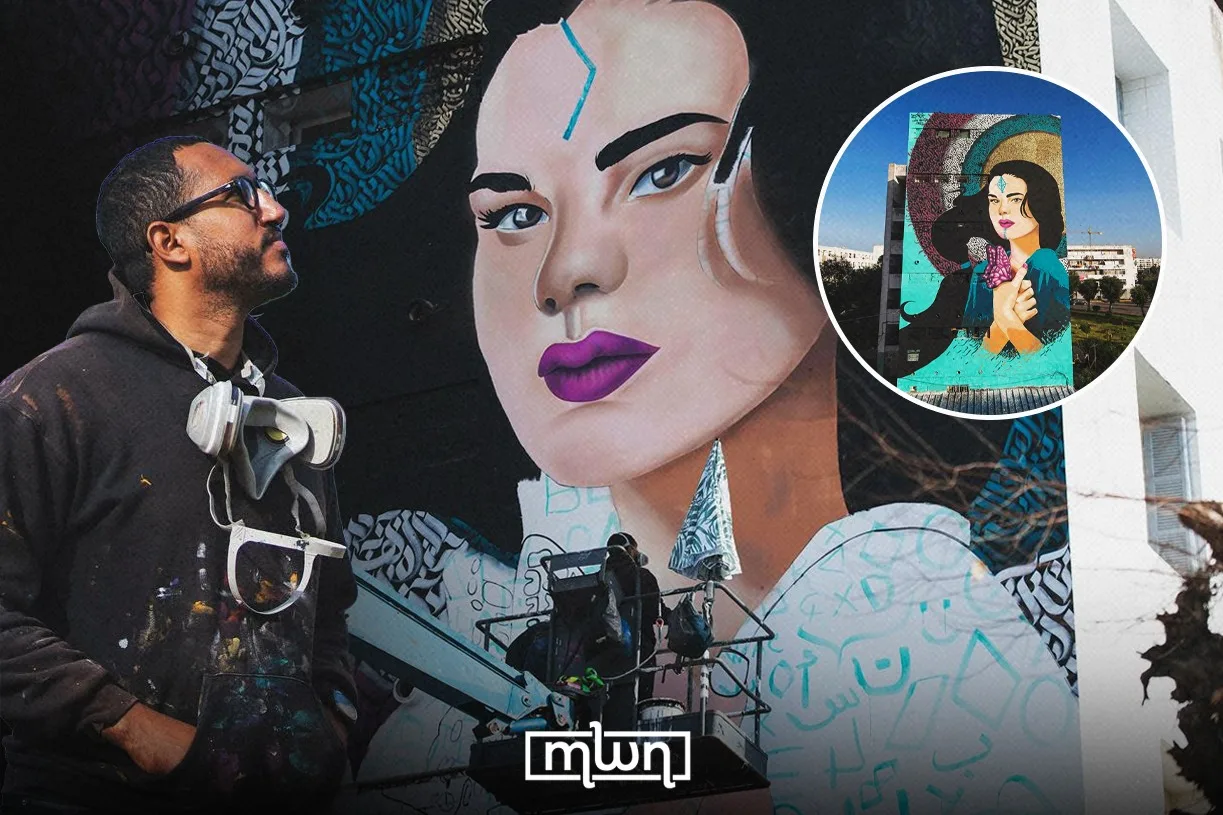
Created in Casablanca, another of Zorg’s notable works portrays a girl holding a butterfly.
Through the portrait, he sought to capture the kindness and warmth of the Moroccan people, while the traditional chin tattoo pays tribute to Moroccan and Amazigh identity, rooting the work in cultural heritage.
For him, safeguarding and passing on this cultural heritage is as much a responsibility as it is an artistic pursuit.
Through his work, Zorg carries Moroccan cultural heritage into the present, celebrating the stories, traditions, craftsmanship, and visual identity of Meknes while demonstrating that they can thrive alongside contemporary artistic expression.
Zorg draws inspiration from everyday life, Moroccan traditions, local craftsmanship, and the boundless creativity of his inner child. He also cites Banksy and eL Seed as major influences, whose work has shaped his perspective on street art and calligraphy.
Through his murals and paintings, he continues to bring tradition into a new visual language, one that belongs to the street, to the city, and to the future.
To Zorg, preserving heritage is more than an artistic mission, it’s a necessity. Without safeguarding the past, he believes, there can be no meaningful present or future.