Rabat – The global market for Moroccan-style lanterns is expected to grow significantly over the next decade, reaching $879.38 million (MAD 8.13 billion) by 2034, according to Fortune Business Insights.
The market was valued at $514.16 million (MAD 4.75 billion) in 2025 and is projected to reach $540.08 million (MAD 4.99 billion) in 2026, before expanding at a compound annual growth rate of 6.28% through 2034.
The figures refer to the global market for products sold as Moroccan lanterns, rather than the size of Morocco’s domestic lantern-making industry.
Europe leads global demand
Europe accounted for 31.15% of the global Moroccan lanterns market in 2025, giving it the largest regional share, according to the report.
Demand is being supported by growing interest in decorative lighting, home interiors, and outdoor spaces, alongside the use of Moroccan and Mediterranean-inspired design in hotels, restaurants, and other hospitality settings.
The market is also benefiting from the broader appeal of lanterns as both lighting products and decorative objects, allowing Moroccan-inspired designs to move beyond traditional settings and into contemporary interiors.
Hanging lanterns dominate
Hanging lanterns represented 43.7% of the global market in 2025, making them the leading product segment.
Their popularity is linked to their versatility, with hanging designs used across residential and commercial spaces, including homes, restaurants, hotels, and outdoor entertaining areas.
Electric and LED lanterns also accounted for a significant share of the market, representing 49.01% in 2025.
The shift toward electric lighting reflects demand for convenient, longer-lasting and easier-to-use alternatives to traditional lighting methods.
Why Moroccan designs continue to stand out
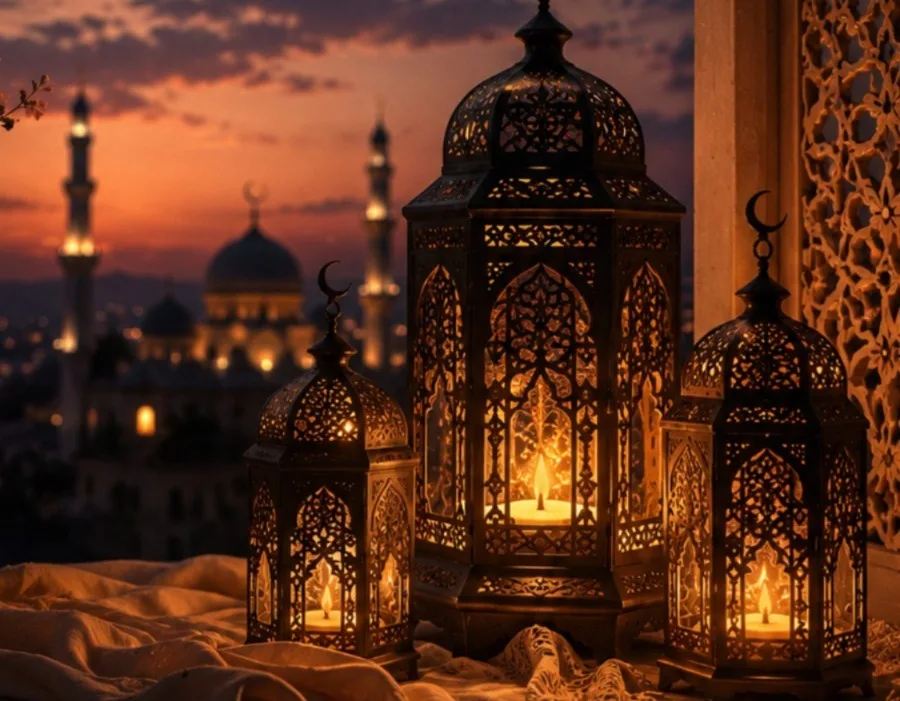
Moroccan-style lanterns remain closely associated with intricate metalwork, geometric patterns, and colored glass.
The combination creates distinctive light and shadow effects that have made the designs popular in interior and exterior decoration.
Manufacturers are also adapting traditional aesthetics to contemporary preferences, including electric and LED technology and a wider range of designs and finishes.
But the market faces some practical challenges. Fragile glass components can be difficult to transport, while metal lanterns may be vulnerable to rust and fading, particularly when used outdoors.
Maintenance requirements could therefore limit demand in some applications, according to Fortune Business Insights.
Despite those challenges, the market forecast points to continued international demand.
If the projection holds, global Moroccan-style lantern sales will grow by more than $365 million (MAD 3.38 billion) between 2025 and 2034.