Fez — Moroccan fashion label FISCA is among 11 Moroccan finalists selected for the second edition of the “Arab Fashion Award,” organized by the Arab World Institute in Paris.
The institute published its final selection across four categories, with Morocco emerging as the most represented country in the 2026 edition.
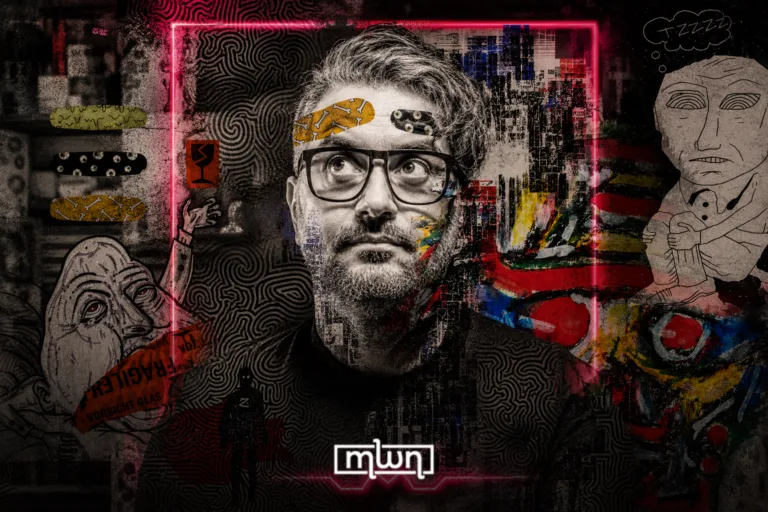
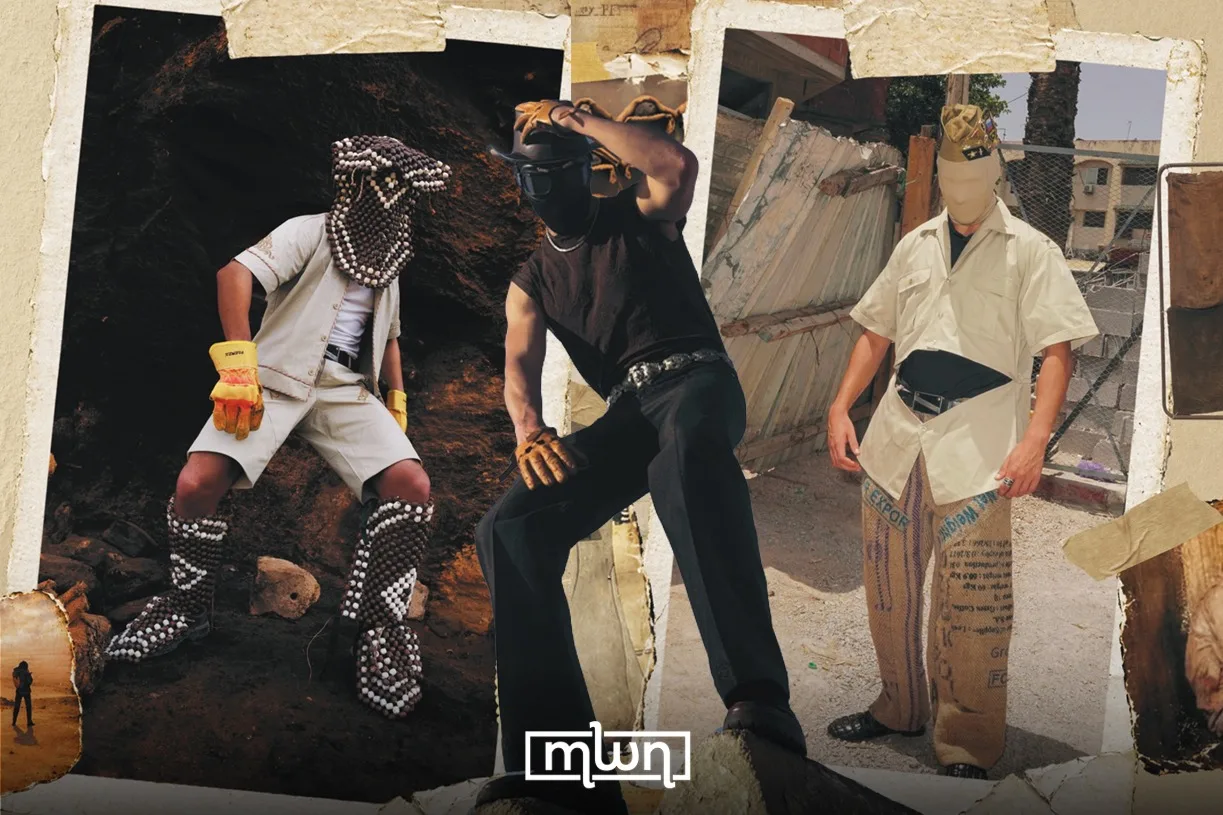
Founded by Anass Taf, FISCA is competing in the Creative Entrepreneurship Talent category. The Fez-born brand explores the tension between Moroccan heritage and outside influences through what the institute calls a narrative wardrobe.
Taf’s motto is “I don’t want to be inspired by Morocco. I want to translate it into contemporary codes.”
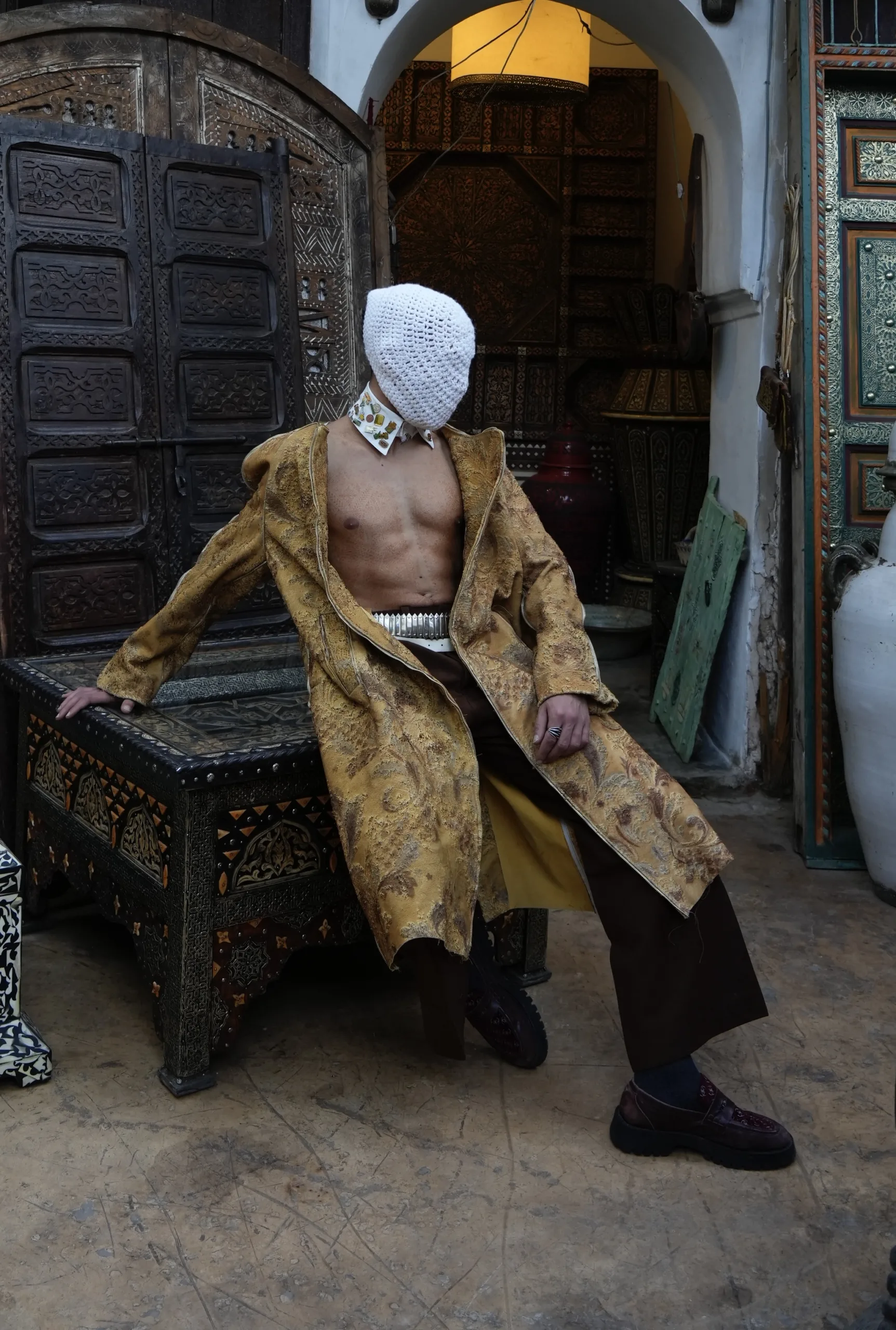
Its work combines traditional craftsmanship, utilitarian clothing, and cinematic references, particularly Westerns. FISCA also presents its practice as socially conscious, seeking to create a dialogue between Moroccan heritage and contemporary design.
FISCA is not alone in its category. Yassine Chenna is a finalist with YC, a premium sneaker brand based between Rabat and Barcelona. Angéline Dangelser is also selected with LABEL OUED, a Casablanca-based creative platform connecting designers, artisans, textile engineers, cultural institutions, and industrial partners.
The institute describes the Creative Entrepreneurship category as recognizing projects that combine creativity with strategic development and the capacity to innovate and build a market presence.
Eleven Moroccan names across four categories
Morocco’s presence extends well beyond the entrepreneurship category.
In Emerging Talent, Youssef Drissi returns as a finalist with LATE FOR WORK. His contemporary label works with deconstruction, reconstruction, gender fluidity, oversized silhouettes, and reconstructed garments, while placing strong emphasis on storytelling and image-making.
The institute lists three Moroccan finalists in Creative Excellence and Craftsmanship: Sara Afailal with AFYLA, Zineb Ghazali with ZINEB GHAZALI COUTURE, and Ghitta Laskrouif with GHITTA STUDIO.
AFYLA reinterprets Moroccan heritage through contemporary silhouettes and traditional craftsmanship. Zineb Ghazali centers her work on the Moroccan caftan and techniques including embroidery, beading, and traditional trimming. Casablanca-based GHITTA STUDIO develops high-end slow fashion through artistic embroidery, limited production, and made-to-measure pieces.
Moroccan designers are particularly visible in the Accessory Talent category, where four of the finalists come from the Kingdom.
The official selection includes jewelry designer Dalila Barkache; BAMEL founder Mohammed El Mehdi Benabdel Moumen; ISLI founder Karima Bidar; and TALEL founder Leila Roukni.
Their practices cover markedly different territory. Barkache works across jewelry, craftsmanship, and material research. BAMEL translates Moroccan architectural elements, including arches and zellige geometry, into luxury leather goods made with Moroccan artisans.
ISLI draws from Amazigh jewelry, architecture, landscapes, and stories connecting Morocco and France. TALEL, meanwhile, has developed an experimental approach to accessory design and has already gained recognition through international fashion platforms.
A wider moment for Moroccan fashion
The breadth of the Moroccan selection is as notable as the number of finalists. The 11 names move across streetwear, sneakers, caftan craftsmanship, slow fashion, jewelry, leatherwork, and experimental accessories rather than presenting a single definition of Moroccan design.
The Arab World Institute frames the award as a platform to support and promote designers from the Arab world and its diasporas while challenging narrow perceptions of fashion from the region.
The winners are set to be announced in Paris on September 30, with FISCA competing alongside YC and LABEL OUED for the Creative Entrepreneurship prize.
For FISCA and the other Moroccan finalists, the selection gives international visibility to a creative scene increasingly comfortable drawing from heritage without being confined by it.
The diversity of this year’s cohort also shows how Moroccan fashion is expanding its language across clothing, objects, materials, and new models of creative production.