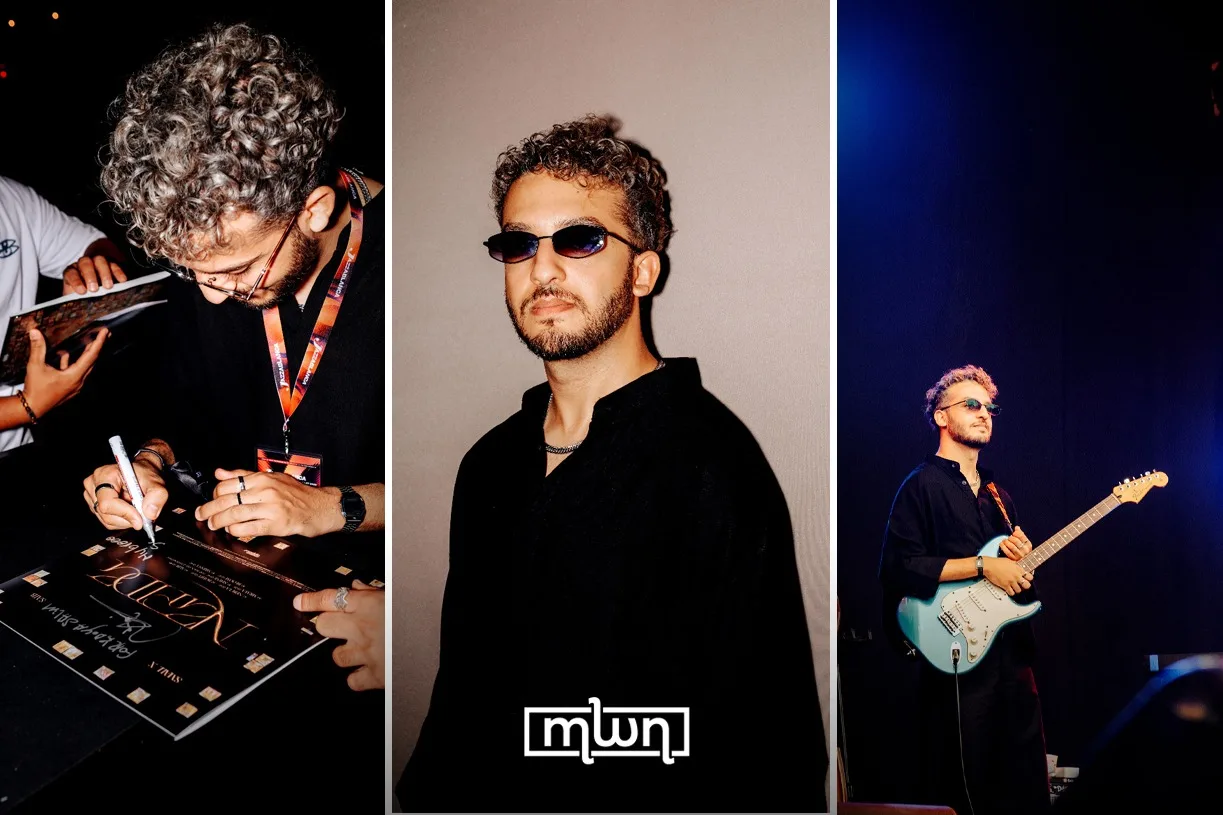
Fez — Long before many Moroccan listeners knew Saib was Moroccan, people across the world were already listening to his music.
Some even thought he was Brazilian. The confusion came partly from his heavy use of bossa nova samples. But it also reflected the unusual way the Casablanca-born producer built his career.
Hamza Saib emerged internationally through SoundCloud and the growing lo-fi hip-hop scene without initially positioning Morocco at the center of his artistic identity.
“Making music in Morocco was a very lonely experience for me as there was no local scene I could identify with at the time, nor people who were into sampling jazz records and making beats the way I did,” Saib told MWN Lifestyle magazine.

His musical community existed largely online. “All of my network was on Soundcloud where the lo-fi hiphop scene was thriving and producers would collaborate and support each other,” he explained.
That distance between where Saib lived and where his music belonged would shape much of what followed.
Before Saib became Saib
His path into production did not begin with beats. Saib moved through classical violin, guitar, progressive rock, blues, fingerstyle playing, jazz, and electronic music before production became the center of his work.
“I am a big fan of Porcupine Tree so a lot of my early music had some guitar energy inspired from Steven Wilson’s playing,” he reflected on his early influences.
Before learning to produce complete tracks, Saib spent long periods looping guitar through a Zoom G2.1 Nu effects unit. In retrospect, he sees those experiments as an introduction to sampling and micro-chopping.
His older brother also played an important role. “My brother used to DJ electronic music in the early 2000s and encouraged me to develop my music when I was a teenager so I owe him a lot for that, including his advice to make the shift from guitar looping to learn how to produce full fledged songs,” Saib recalled.
When Saib eventually entered beatmaking, SoundCloud offered something the Moroccan music scene could not.
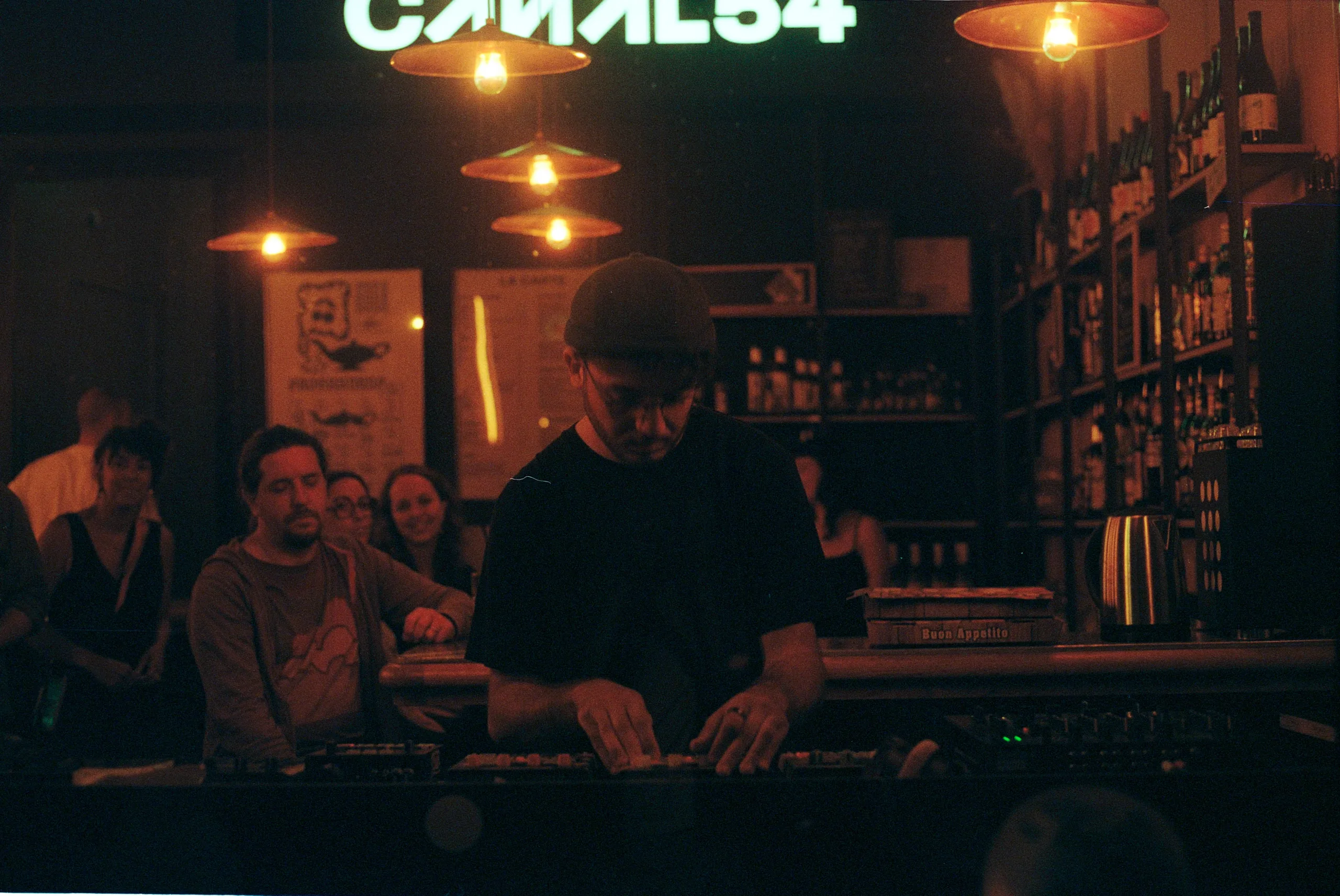
Producers were trading music, collaborating, discovering one another, and building audiences without needing to share a city or even a country.
Saib did not feel pressure to market himself internationally through his nationality.
“My goal was to get better at making music and prove myself internationally without relying on the ‘made in morocco’ label,” he said.
“It was much easier for me to be recognised on the global scene where the genre was already flourishing rather than locally,” he added.
That international anonymity occasionally produced funny misunderstandings.
“I used to receive a lot of messages from people talking to me in Portuguese thinking I was from Brazil because I was sampling lots of bossa nova,” Saib recalled.
When lo-fi stopped feeling free
The scene that gave Saib an audience eventually became one he no longer completely identified with.
Lo-fi hip-hop grew far beyond the relatively loose community that had existed around SoundCloud. Playlists, labels, and streaming platforms helped turn it into a recognizable commercial category. Saib felt something was lost in that transition.

“At some point I felt like we lost the artistic freedom we originally had when uploading music on Soundcloud,” he said.
He watched producers increasingly make music around the expectations of labels and playlists rather than their own individual instincts.
“This made the genre a one size fits all with less and less individuality, especially focusing on music that fit the ‘chill beat to study to ‘ brand,” he explained.
Saib instead found himself drawn toward scenes where beatmaking still felt closely connected to sampling, digging, and hip-hop culture.
His own music began moving too.
Living in Berlin exposed him more directly to club culture. Touring in Asia introduced another kind of relationship with audiences. Music that had often been consumed privately through headphones suddenly existed in rooms full of people.

“I really started to appreciate the direct contact you can have with the audience,” Saib said.
“Touring in South Korea and Japan made me realise how far my music has reached people’s ears beyond language and cultural barriers,” he added.
The experience shifted how he thought about making music itself.
“Music is connection and energy and there is not much of that when you’re constantly behind a computer screen,” he explained.
Small X brought the connection home
That search for connection eventually reached Morocco through Small X.
Saib and the Moroccan rapper released “NAFIDA” in May 2025, pairing Small X’s writing with Saib’s jazz-heavy, restrained production. The collaboration later expanded into a live format with AMG at Jazzablanca in July 2026.
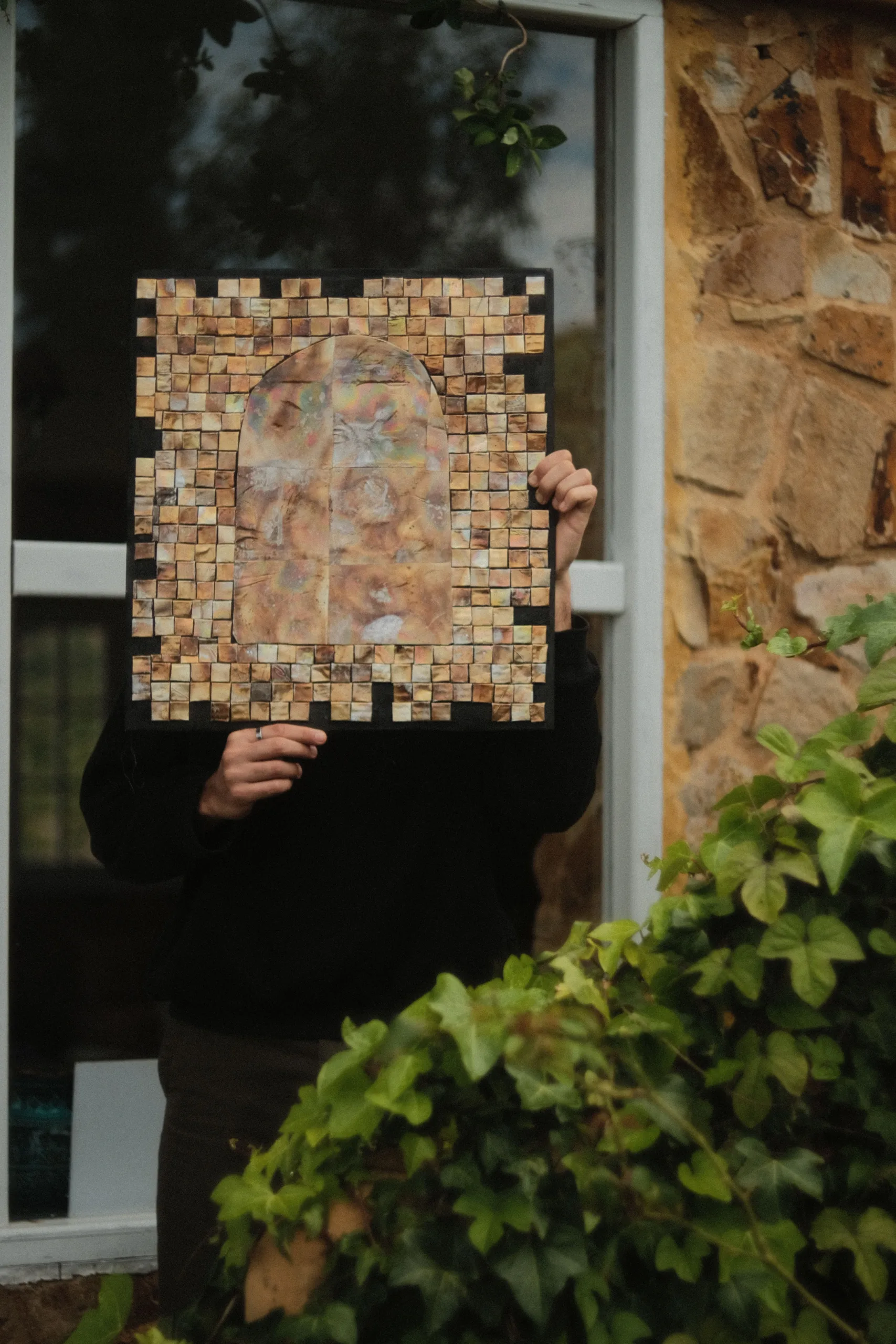
For Saib, adding a rapper changed what the music could carry. “Working with Small X added lots of depth to my music,” he said.
“Think of it as two people compounding their life experiences, feelings and music preferences into one project, the result is bound to have more impact,” he explained.
Small X also gave Saib a different way of reaching more Moroccan listeners.
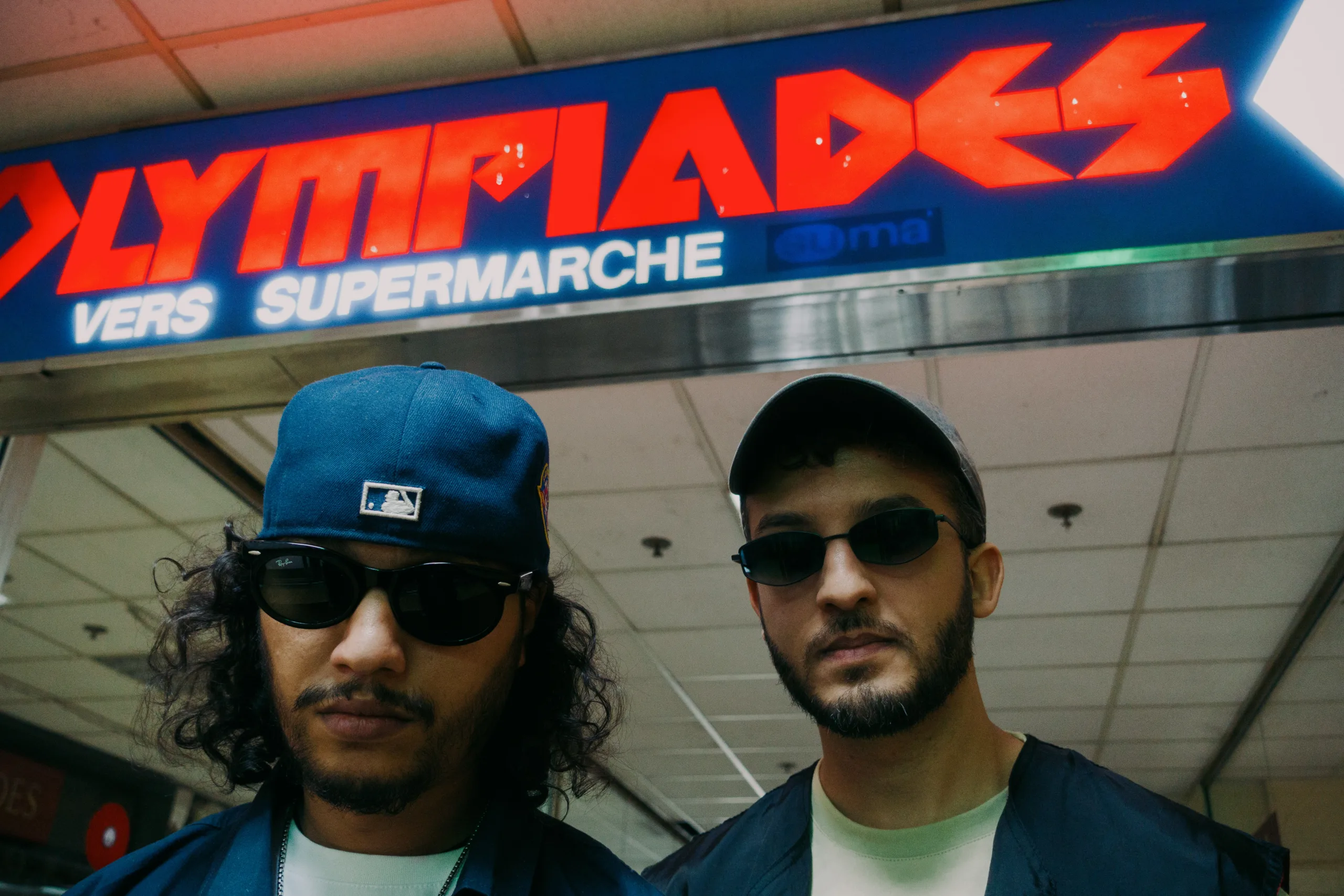
“Through him I was able to expand the reach of my music, especially in Morocco where instrumental music is not as widespread as rap,” Saib said.
“Small X is a great lyricist so his articulate penmanship was exactly the thing I was looking for to craft something that could interest Moroccan ears,” he added.
The project has since traveled further. EA confirmed this week that “BLOOM,” one of the tracks from “NAFIDA,” appears on the official “EA SPORTS FC 27” soundtrack.
The placement is fitting for a collaboration that began partly through Saib reconnecting with musicians from home. A Moroccan project is now entering another global platform.
Moroccan without turning Morocco into a genre
That does not mean Saib suddenly wants everything he makes interpreted through nationality.
“I think I’ve always kept my Moroccan identity and my artistic identity somewhat separate,” he said.
“Of course, being Moroccan is part of who I am and it naturally comes through in certain ways, but I don’t consciously try to make my nationality a central part of my music,” he explained.
Years spent living and traveling outside Morocco have reinforced that instinct.
“For me, music is more of a universal language. I’m more interested in creating something that can connect with people regardless of where they come from, rather than having the music be understood primarily through the lens of me being Moroccan,” Saib said.
Places still enter the music. He simply does not treat them as labels. “They’re more like pieces of my experience that naturally become part of the sound,” he explained.
AI and what disappears when machines make the art
Saib also approaches the growing debate around generative AI from an unusual position.
He studied computer science and worked with machine learning and deep reinforcement learning. Despite that technical background, he does not treat music production as an engineering exercise.
“To be honest I always tend to follow a feeling in producing rather than think of it as a technical problem,” he said.
He does see one similarity between musicians and machine learning models.
“Trial and error will always been an important aspect for improvement so making mistakes is a natural part of the process,” Saib explained.
His view becomes far more critical when discussing generative AI systems trained on existing creative work.
“Most of the popular AI tools used in music nowadays blatantly use real people’s music as a training data set hence violating their copyrights,” he argued.
For Saib, that ethical question makes comparisons between AI and earlier technologies such as drum machines or synthesizers incomplete.
“Add capitalism and consumerism to the equation and music creation shifts from art to solely making profits and pleasing investors,” he said.
He then reduced the issue to one question. “If you remove the artist from the art what else is left?” he asked.
Saib does not dismiss every use of AI in music. He considers it a possible tool for experimenting with ideas and having fun.
What concerns him is replacing the process through which musicians actually develop.
“For me, making music is a learning process,” he explained. “You learn through trying things, making mistakes, figuring out why something doesn’t sound right, and slowly developing your own ear and your own way of working.”
A machine might shorten that process, but Saib questions what the musician learns from the shortcut.
“At some point, you might have a polished track, but you haven’t necessarily developed the ability to make the next one yourself,” he said.
Collaboration, Megazords, and whatever comes next
Perhaps the biggest change in Saib’s career is his relationship with other people.
His early years were defined by making music alone and finding community through screens. Today, collaboration and live performance occupy much more of his attention.
To explain why, Saib reached for the Power Rangers. “They’re already cool individually, but when they come together and form the Megazord, suddenly you have something that none of them could have been on their own,” he said.
The comparison is playful, but the idea behind it is central to how he now works.
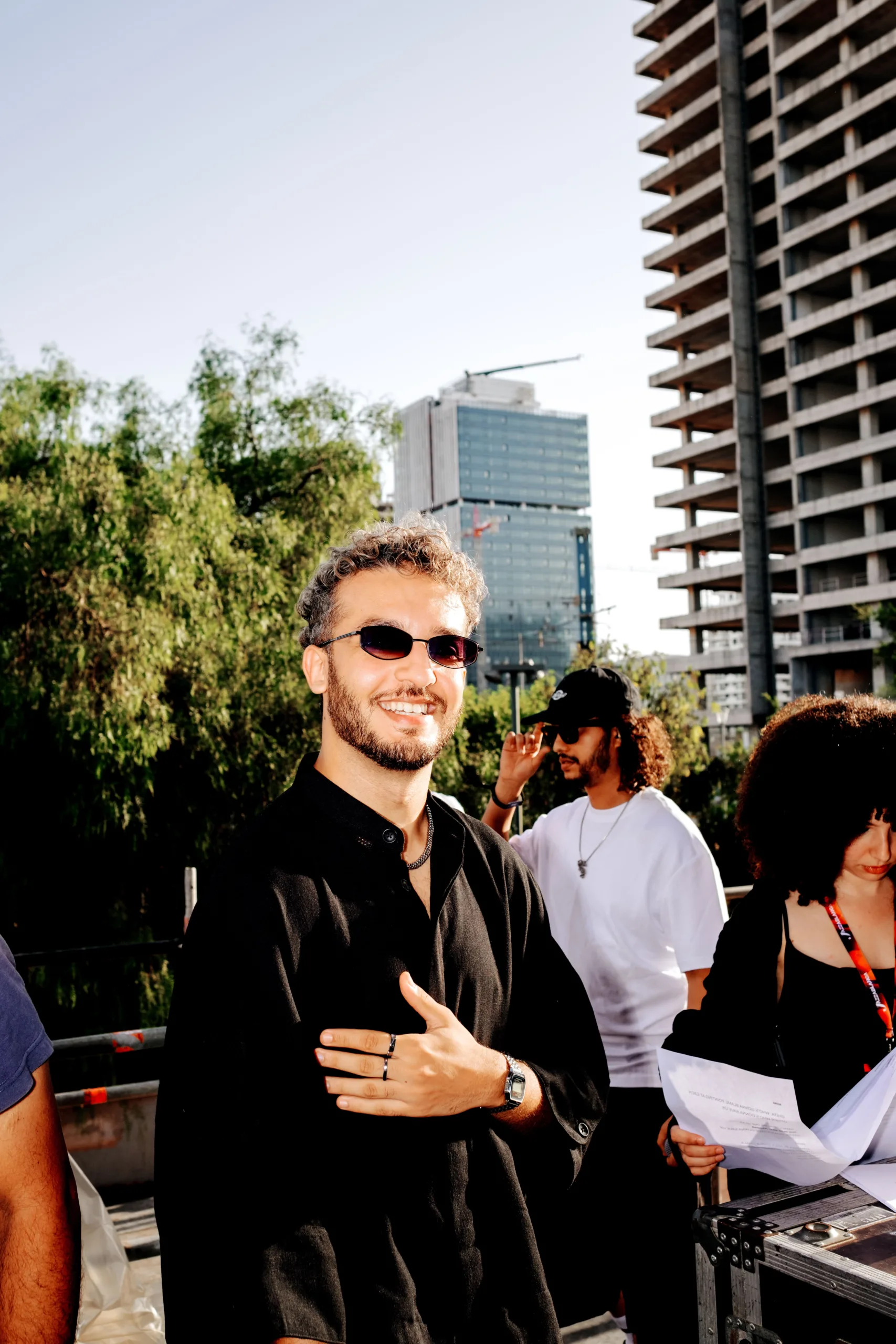
“It’s not just about having someone else contribute to a song; it’s about creating a shared moment that wouldn’t have existed otherwise,” he explained.
That could describe “NAFIDA,” his work with Small X, the Jazzablanca performance, or the wider shift away from spending his musical life behind a computer.
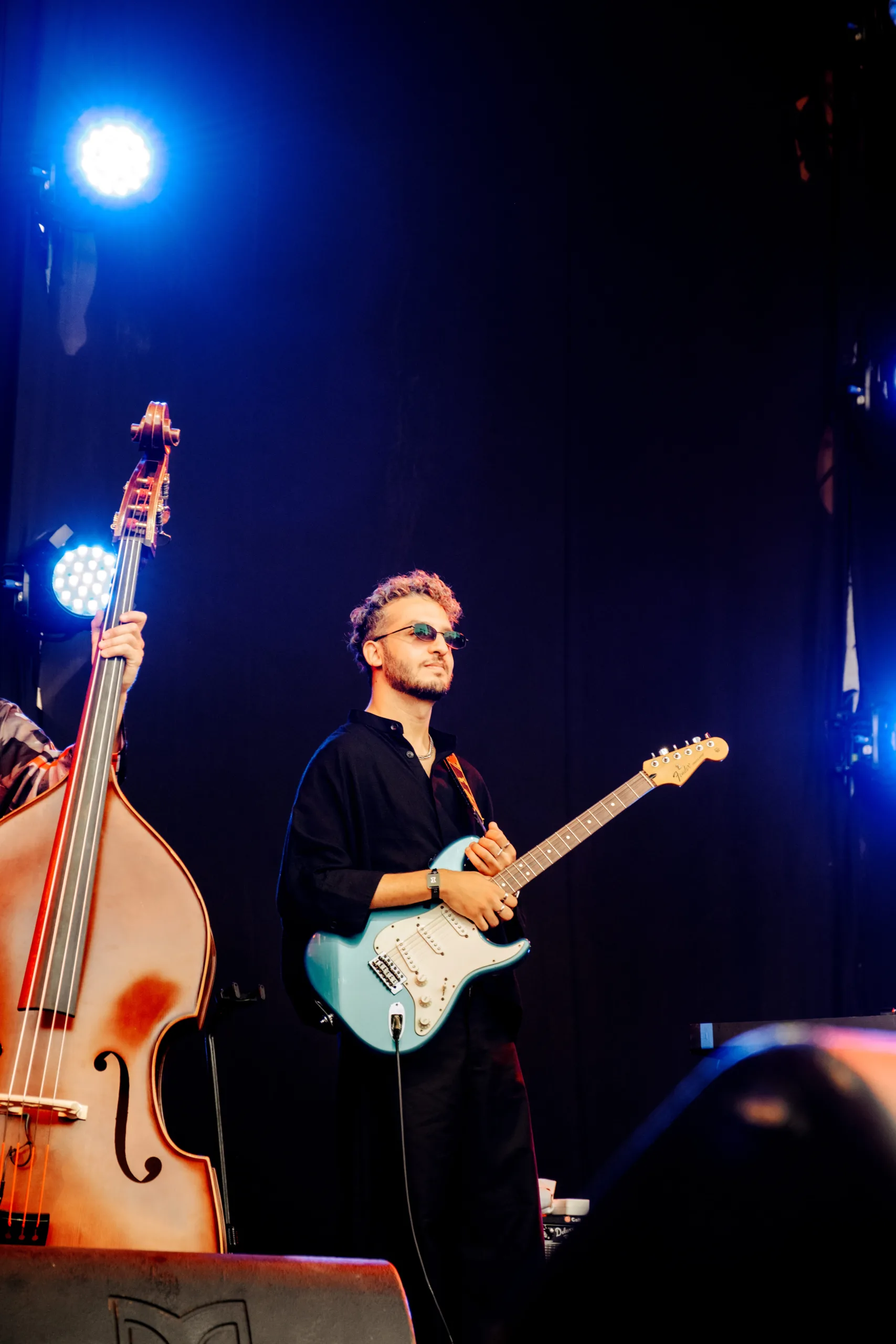
It does not necessarily mean Saib is preparing for a permanent return to Morocco.
“I’m still very interested in traveling outward, learning more and connecting with all kinds of people,” he said.

His relationship with Morocco remains more complicated, particularly when it comes to experimentation and the space available for less immediately accessible music.
Still, reconnecting with home has already shown him possibilities that did not exist when he started.
“That doesn’t mean I’ve turned my back on Morocco,” Saib explained. “If anything, projects like Small X show me that there are really interesting things that can happen when I reconnect with people and ideas from home.”
For an artist whose career began by finding musical community everywhere except immediately around him, there is no neat homecoming yet.
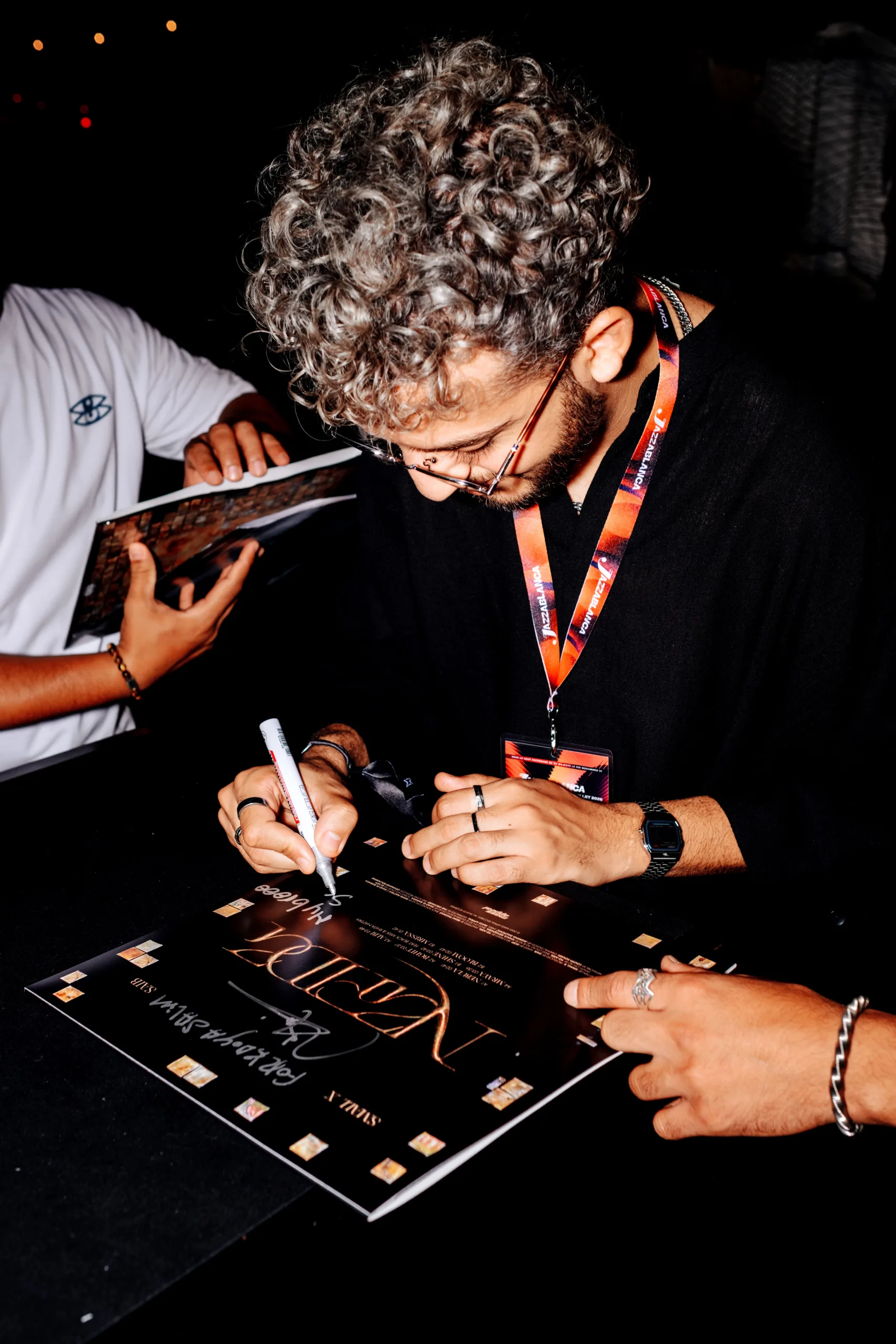
Saib does not appear interested in forcing one. “I feel like I have a lot more to discover,” he said, “before I know what coming back really means for me.”
Saib also hinted that his next chapter could move beyond albums and live sets into scoring for screen projects.
He told MWN Lifestyle magazine that he has been in talks about potentially scoring a Moroccan historical animated series centered on the life of Tariq ibn Ziyad, although nothing has been finalized yet.
The possibility feels like a natural extension of the way he already works. Much of Saib’s music is built around atmosphere, texture, pacing, and emotional space rather than conventional song structures alone. Moving into film or series scoring would allow those instincts to operate inside a narrative rather than around one.