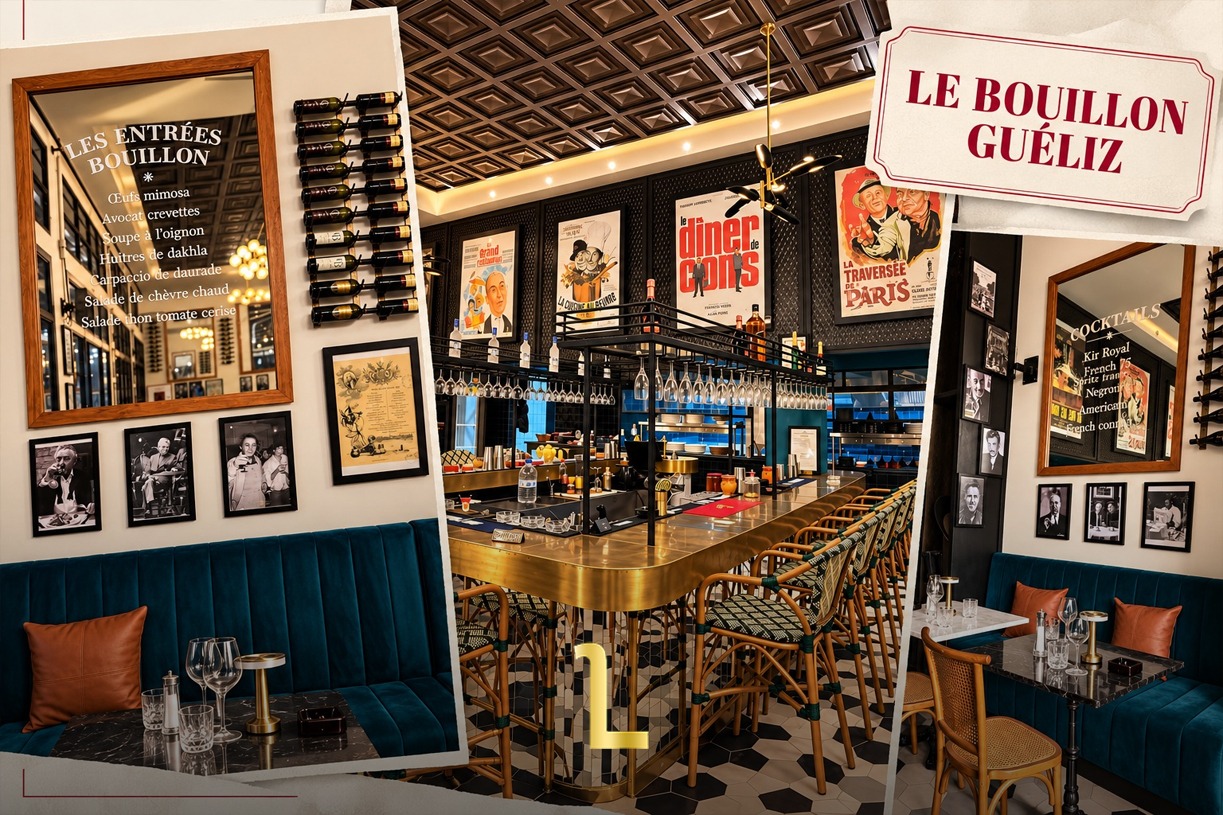
Marrakech — Marrakech has no shortage of restaurants built around spectacle, fine dining, and special occasions. Le Bouillon Guéliz is betting on familiar French food at prices designed for people to return regularly.
Opening this October in Guéliz, the restaurant takes inspiration from the French “bouillon,” a popular dining tradition built around quick service, recognizable dishes, and modest prices.
The concept emerged in 19th-century Paris, when inexpensive restaurants began feeding workers hot meals without the formality or cost associated with more elaborate dining rooms. Bouillon Chartier, one of the tradition’s best-known survivors, opened in 1896 and still defines itself around the promise of serving a proper meal at a modest price.
Le Bouillon Guéliz adapts that philosophy to contemporary Marrakech.
French classics without the ceremony
The menu is intentionally recognizable.
Eggs mimosa, Burgundy snails, choucroute, entrecôte with maître d’hôtel butter, and beef bourguignon are among the dishes planned for the restaurant. Food is prepared on site with fresh and seasonal ingredients.
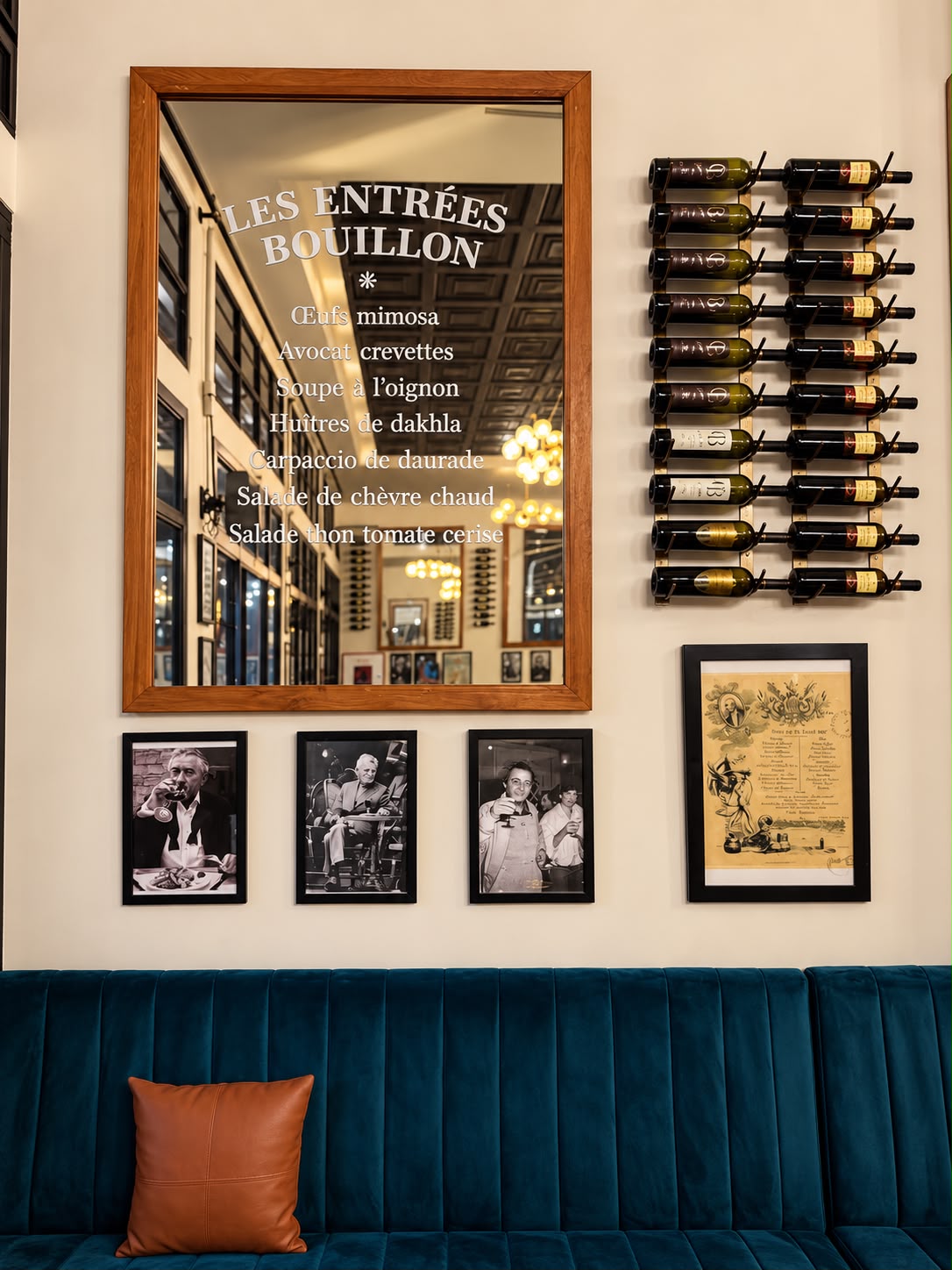
Drinks follow the same relaxed approach, with Moroccan and French selections available by the glass, pitcher, or bottle.
But price is central to the concept. Starters sit around MAD 50 ($5.12), while main courses generally range between MAD 100 ($10.24) and MAD 150 ($15.36). The restaurant presents those prices as its everyday model rather than a temporary opening offer.
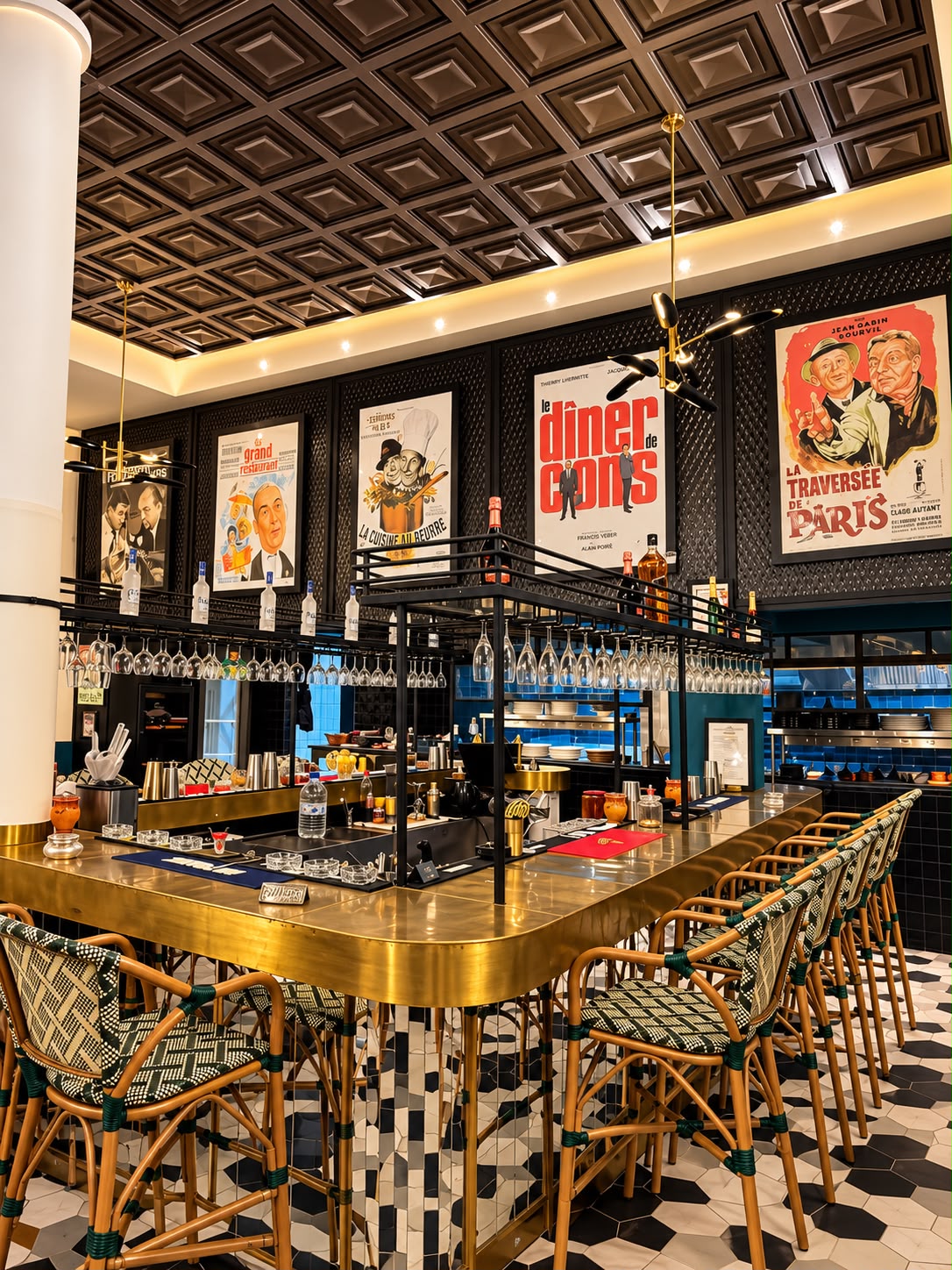
That places Le Bouillon Guéliz closer to the original social purpose of the bouillon than to the conventional image of French dining as an occasional luxury.
Historic Parisian bouillons were designed around volume, speed, and accessibility. Today, Bouillon Chartier still serves classics such as egg mayonnaise, beef Burgundy, roast chicken, and traditional desserts while maintaining low prices as a defining part of its identity.
A familiar French idea in Marrakech
The arrival of Le Bouillon Guéliz also reflects the long relationship between Marrakech and French brasserie culture.
The city already has restaurants drawing on Parisian dining traditions. The historic Brasserie de la Renaissance in Guéliz, for example, previously revived elements of the Parisian bouillon format after its renovation.
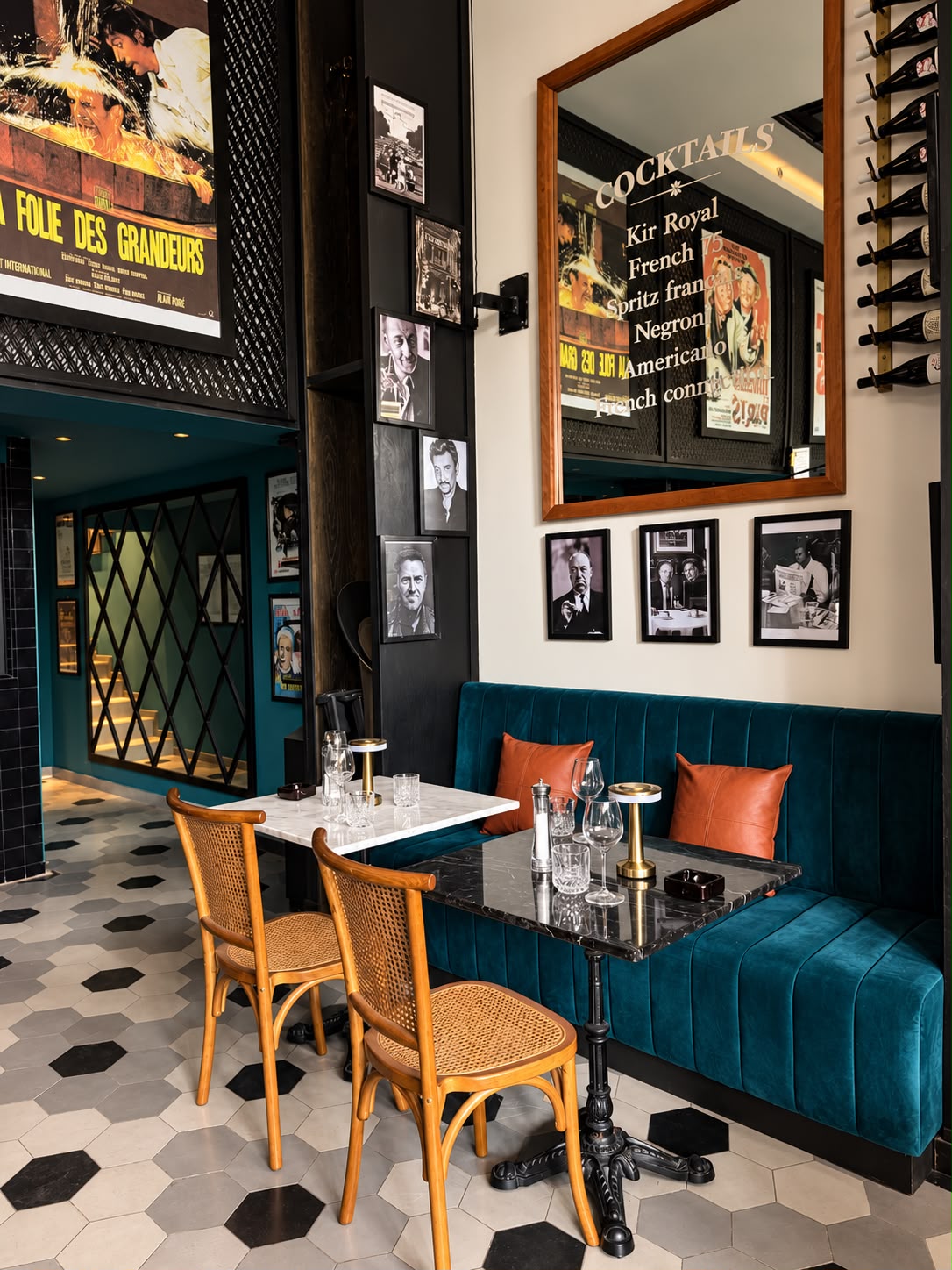
Le Bouillon Guéliz, however, builds its entire identity around the concept.
Its ambition is less about reinventing French cuisine than returning it to its popular roots: straightforward dishes, convivial service, and a bill that does not turn an ordinary dinner into a major decision.
That distinction matters in a city whose restaurant landscape increasingly stretches toward high-end hospitality and destination dining.
Le Bouillon Guéliz is putting itself at the opposite end of that experience. The idea is that diners should be able to walk in on an ordinary weekday, order a plate they already know, and come back without waiting for another special occasion.