Rabat – As part of Photo Festival Tanger 2026, Kent gallery will present an exhibition bringing together four prominent women artists from across the Arab world whose photographic practices explore themes of identity, memory, gender, and contemporary society.
Through diverse visual approaches, the artists create compelling narratives that examine personal and collective experiences, the representation of women, and the complexities of the modern world.
The exhibition will open with a vernissage on June 17, at 4 p.m. and will run until August 31.
Featuring works that range from self-portraiture and staged photography to poetic urban imagery, the show highlights the richness and diversity of contemporary Arab photography while offering visitors a powerful reflection on culture, belonging, and social change.
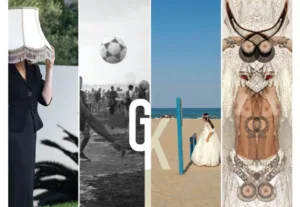
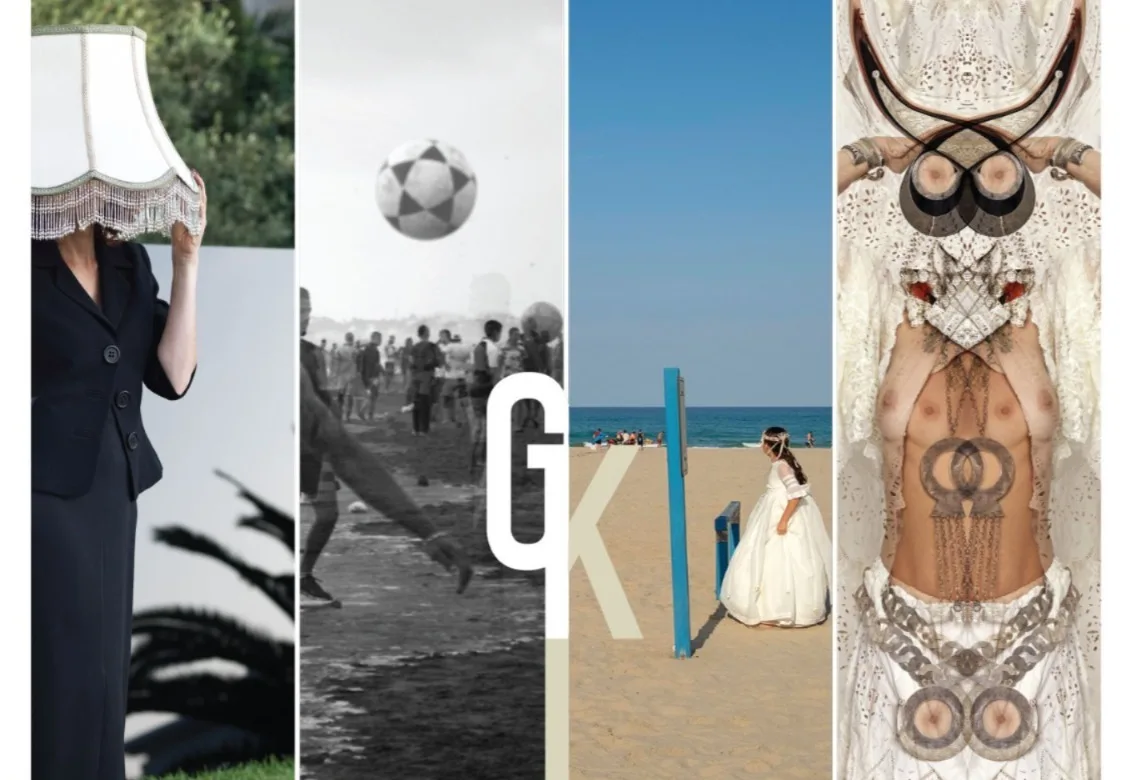
The exhibition includes Moroccan artist Amina Benbouchta, Franco-Algerian artist Zoulikha Bouabdellah, Lebanese photographer Fadia Ahmad, and Tunisian artist Meriem Bouderbala.
Working across photography, installation, painting, and mixed media, the four artists examine the body, personal and collective memory, and the place of women within social and cultural narratives.
Benbouchta’s work investigates the relationship between the body, memory, and identity while questioning historical and political narratives.
Her photographic series often address confinement and the treatment of women in society, drawing inspiration from Alice in Wonderland to create dreamlike spaces that blur the boundaries between reality and imagination.
Bouabdellah uses photography alongside video, sculpture, and installation to challenge dominant representations of gender, identity, and cultural heritage.
Her staged photographic works frequently revisit Orientalist imagery and explore how women are portrayed within social and historical frameworks.
Ahmad approaches photography through an artistic rather than documentary lens, capturing urban life and everyday moments that reveal deeper reflections on beauty, human connection, and belonging.
Often centered on Beirut and Lebanon, her images transform ordinary scenes into poetic meditations on intimacy, distance, and memory.
Meanwhile, Bouderbala employs self-portraiture to examine female identity, social expectations, and the body.
Her fragmented and kaleidoscopic compositions reflect themes of oppression and duality, exploring the tensions between Eastern and Western cultural influences while advancing a distinctly feminist perspective.