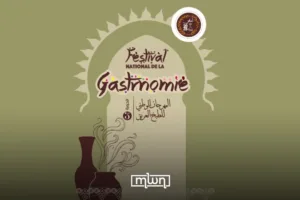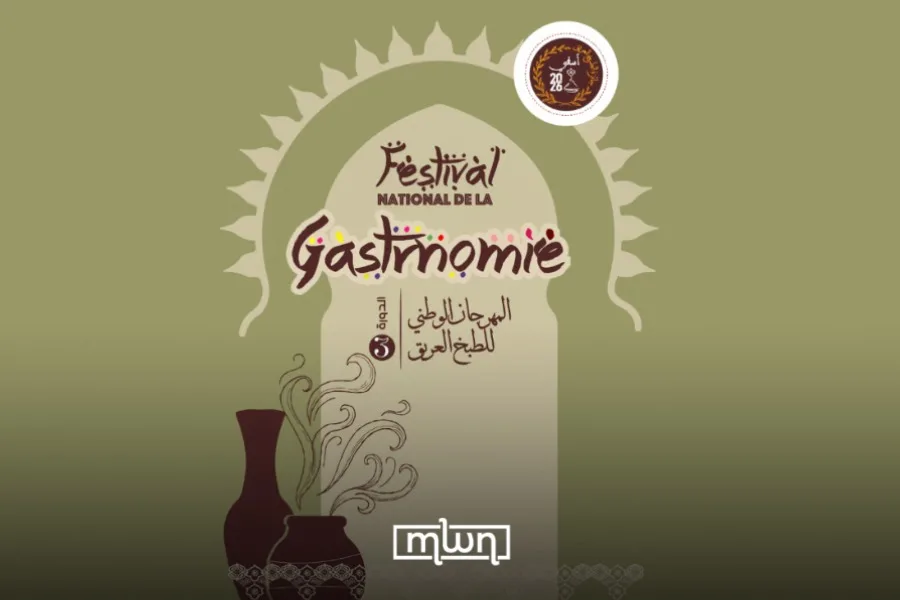
Fez — Safi is preparing to host the third edition of the “National Festival of Authentic Gastronomy” from June 23-25, placing Moroccan culinary memory at the center of a three-day cultural program.
This year’s edition will run under the theme “Moroccan gastronomy, memory of a people and heritage of civilization,” framing food not only as taste, but as identity, transmission, and living heritage.
The festival’s official schedule will open on June 23, with an opening ceremony, welcome speeches, a tourist tour, honors, Malhoun music, and a tea ceremony.
Competitions are scheduled for June 24, while the last day will include a live cooking demonstration, a lunch in honor of chefs, and a closing ceremony with prize awards.
The event is organized by “Hadirat Al Mouhit pour le Développement, la Culture et la Préservation du Patrimoine” association.
In a press statement, organizers emphasized that the festival aims to highlight Morocco’s traditional cuisine and the ancestral practices that continue to shape regional food cultures.
A program built around Safi’s food identity
The festival will bring together Moroccan chefs, international chefs, researchers, artists, heritage enthusiasts, and cultural actors.
Foreign participants are expected from France, the United States, Mexico, Canada, and India, giving the event both a national and international dimension.
The program includes a traditional cooking competition with participants from different Moroccan regions, as well as a contest for the “Dish of the Year.”
For 2026, that title will focus on sardine tagine, a dish closely tied to Safi’s coastal identity and local table.
Other competitions will focus on Moroccan pastry and “kaâk masfioui,” the local biscuit that remains one of the city’s most recognizable specialties.
The official program also lists a traditional cooking competition, a sardine tagine contest, a pastry competition, and a competition for the best “kaâk” in Safi.
Masterclasses and collective cooking
Beyond competitions, the festival will feature masterclasses led by professional chefs for young participants.
The training component gives the event a practical role, helping transmit culinary knowledge to a new generation rather than treating heritage as a museum object.
One of the most symbolic moments will be the preparation of what organizers present as the largest traditional “gasâa” (communal platter) of rfissa made at the event.
The dish is expected to measure four meters in diameter and will be prepared collectively, turning the act of cooking into a public scene of cooperation and shared know-how.
The prepared dishes will not go to waste. Organizers plan to distribute them to social associations, including Al Bir wa Ihssan and Dar El Behar Safi, as well as the maternity ward of Mohammed V Hospital.