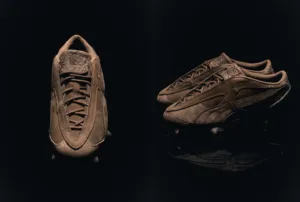
Afrobeats: The African Music Genre Taking the World By Storm
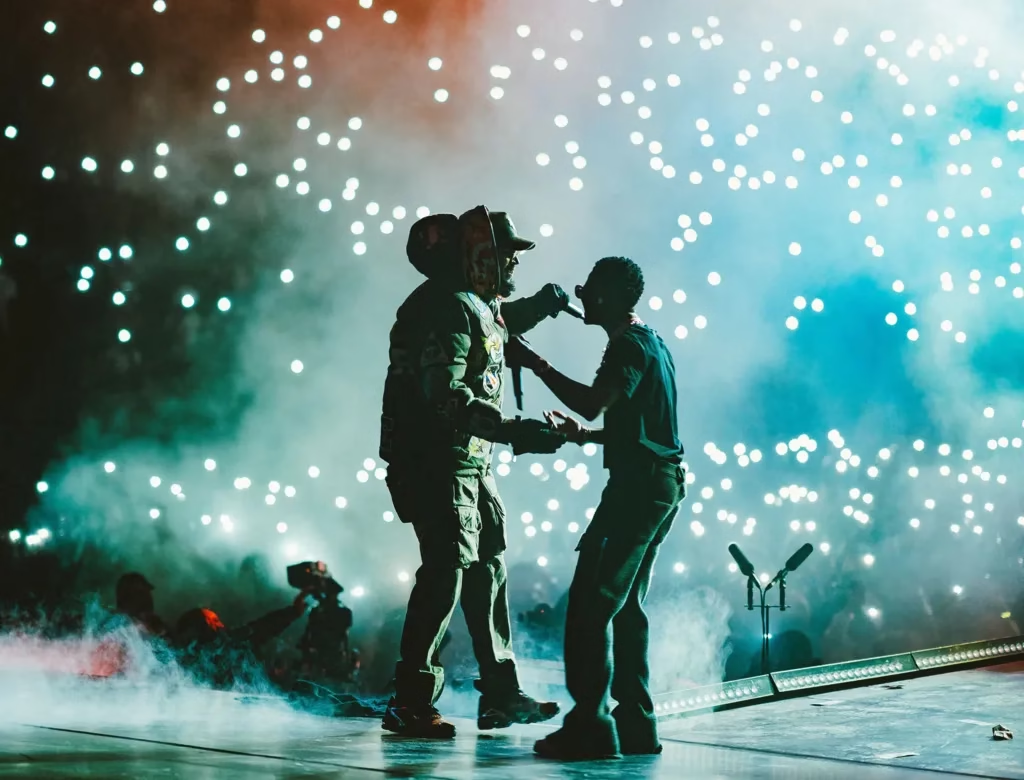
Through music, dance, and sometimes great visuals, Afrobeats is showcasing its global success, captivating audiences from across the world
Discover Morocco’s Best Dishes In Winter
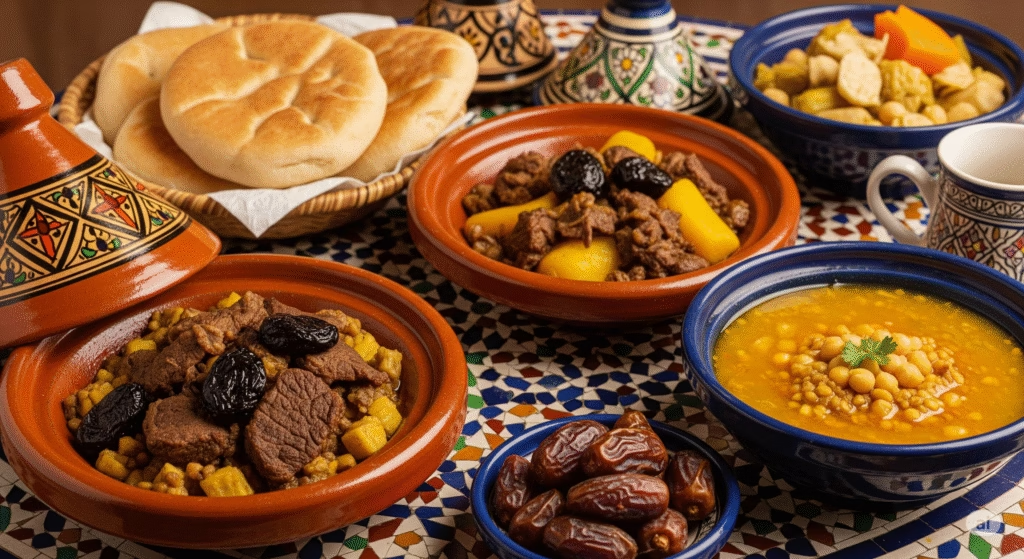
These are top traditional Moroccan foods, especially for the cold weather
Tiflet Launches Fifth Cultural Festival with a Colorful Night of Moroccan Music
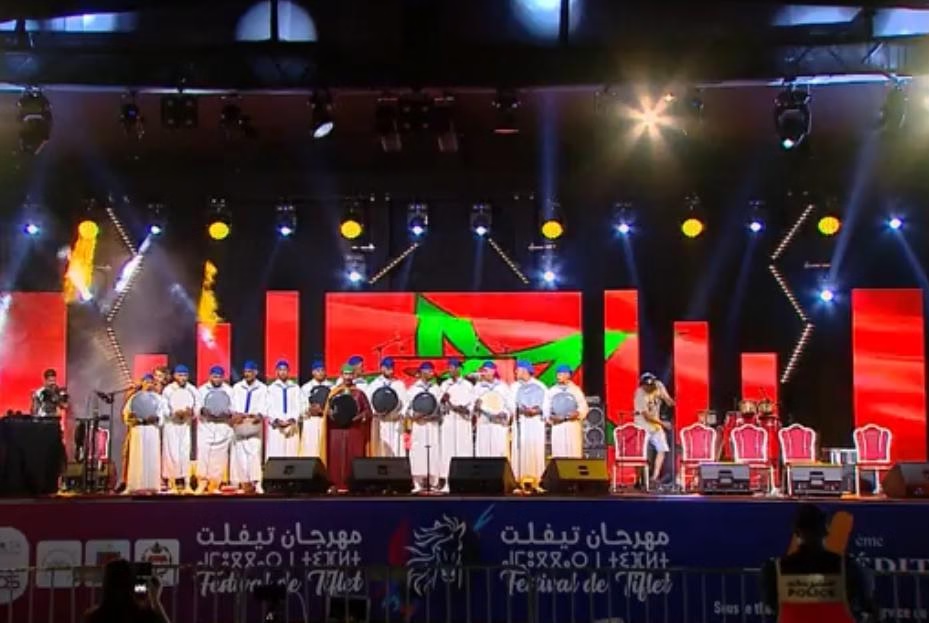
Tiflet’s cultural festival returned for its fifth edition, uniting music, heritage, and a passionate local crowd. Fez – The city of Tiflet kicked off the fifth edition of its cultural festival on Thursday night with a lively, music-filled evening that brought together artists, locals, and visitors for a shared celebration of Moroccan identity and artistic expression. Organized by the Atlas Zemmour Tiflet Association for Culture, Development, and Creativity, in partnership with the local municipal council and supported by various ministries and institutions, this year’s festival is being held under the theme: “The Role of Culture in Strengthening Moroccan Identity for National Unity.” A mouthful, maybe, but the crowd didn’t come for the slogans. They came for the music. The opening night set the tone with a warm, energetic atmosphere and a full house of enthusiastic attendees. First on stage was singer Oumaima Messaadi, who was all smiles as she performed in Tiflet for the first time. In a short statement, she described the evening as deeply special and the audience as wonderfully receptive, adding that festivals like this one bridge the gap between artists and their communities. Following her was the ever-vibrant Fayza Atlas, whose performance was equal parts music and folklore. Accompanied by her troupe, she livened up the stage with traditional dance-infused songs that had the crowd clapping, dancing, and fully immersed. But it was Muslim, one of Morocco’s most iconic rap stars, who sent the energy through the roof. As soon as he stepped onto the stage, the atmosphere shifted: phones lit up, voices joined him in singing lyrics word for word, and the whole scene became a chorus of youthful noise, rhythm, and excitement. To wrap up the night, beloved chaâbi artist Said Senhaji took over, offering the kind of classic Moroccan melodies that hit somewhere between nostalgia and raw joy. His segment was a powerful finale, with the audience swaying and singing along to his familiar repertoire. “I’m truly happy to be here tonight,” he told the press. “The love of this crowd is something I’ll always carry with me.” Hosting the evening was TV personality Chahrazad Akroud, who was just as moved by the local warmth as the performers were. “Tiflet might be a small dot on the map,” she said, “but it has the heart of a capital.” For her, the festival was about more than entertainment, it was about connecting the Moroccan spirit with those who keep it alive. The festivities are set to continue over the coming days, with more musical nights, cultural workshops, and heritage-inspired performances. Debates about priorities, between public spending on art vs. infrastructure, persist in the background. But for a few nights at least, Tiflet is dancing, singing, and celebrating its cultural heartbeat.
Moroccans Can Explore These Philippines Destinations Without a Visa for 30 Days
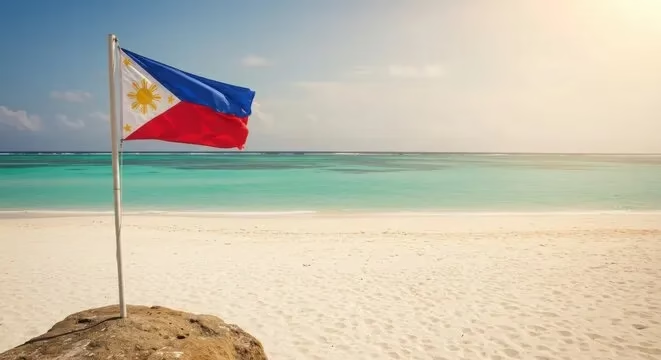
Apparently, the Philippines is a good destination for relaxation and enjoying a peaceful escape. For Moroccans, it’s for a 30 days visa-free vacation!
Friday 13, The Historical Unlucky Day for Americans and Europeans

Friday the 13th is considered the unluckiest day in many western cultures, due to the superstition cultivated at its roots.
Rare Letter Penned Onboard The Titanic Before It Sank Sells For Roughly $400.000
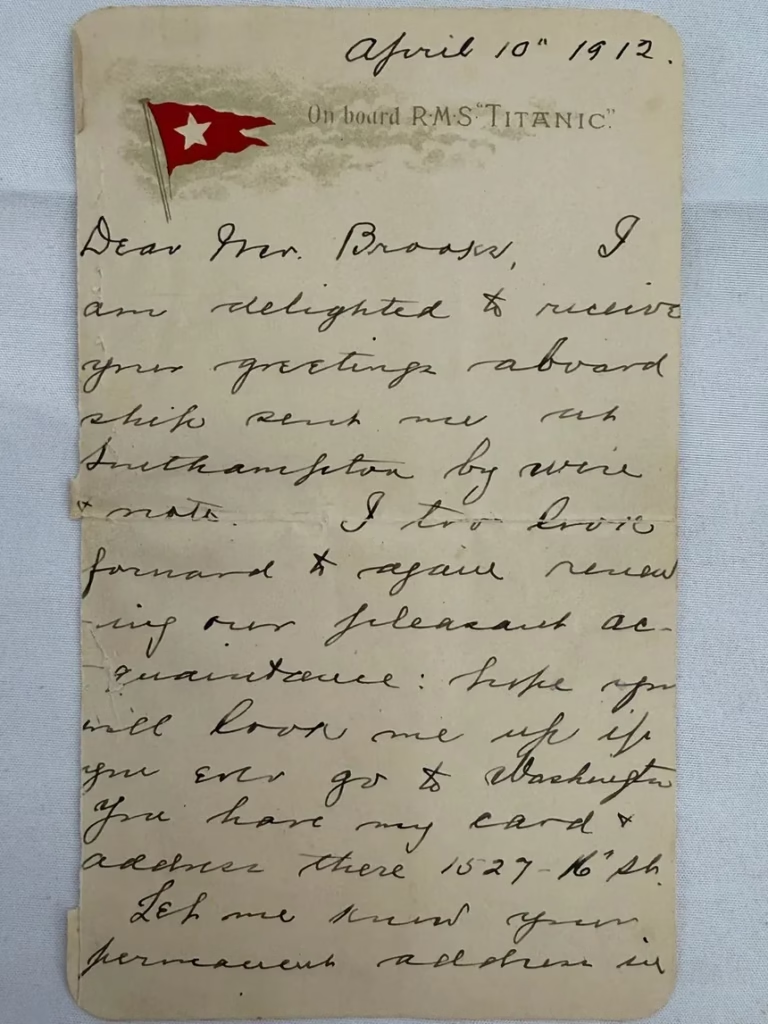
A lettercard found on The Titanic, days before it sank, has sold for $399.000 at auction.
Amazigh Music Pillars Salah Al-Basha, Bannasser Oukhoya Die 3 Days Apart
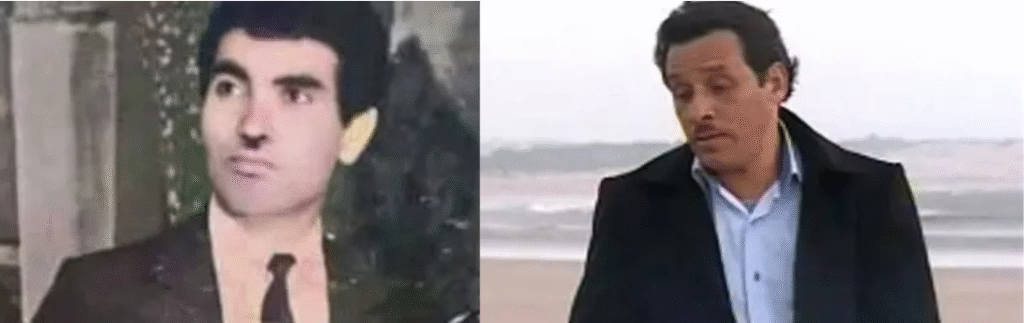
A deep silence fell over Morocco’s cultural landscape as two iconic voices faded forever.
Discover Morocco’s Hidden Desert Monuments
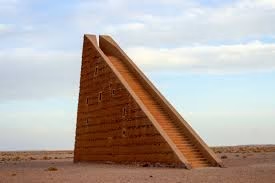
Rising out of the desert plain, huge monuments pay homage to traditional Moroccan building techniques and the vastness of the universe.
The Meaning Behind Van Gogh’s Sunflowers?
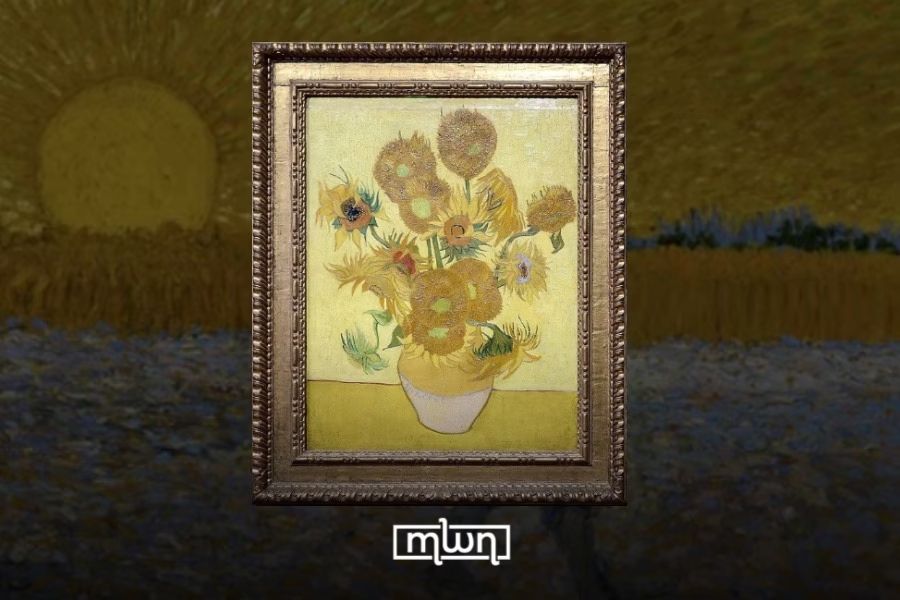
Van Gogh painted twelve paintings in total in his Sunflowers series – four in Paris and eight in Arles, France, that express gratitude, friendship, and the beauty of life.
AKAN Hospitality: A New Moroccan Collection Rooted in Culture and Family Legacy
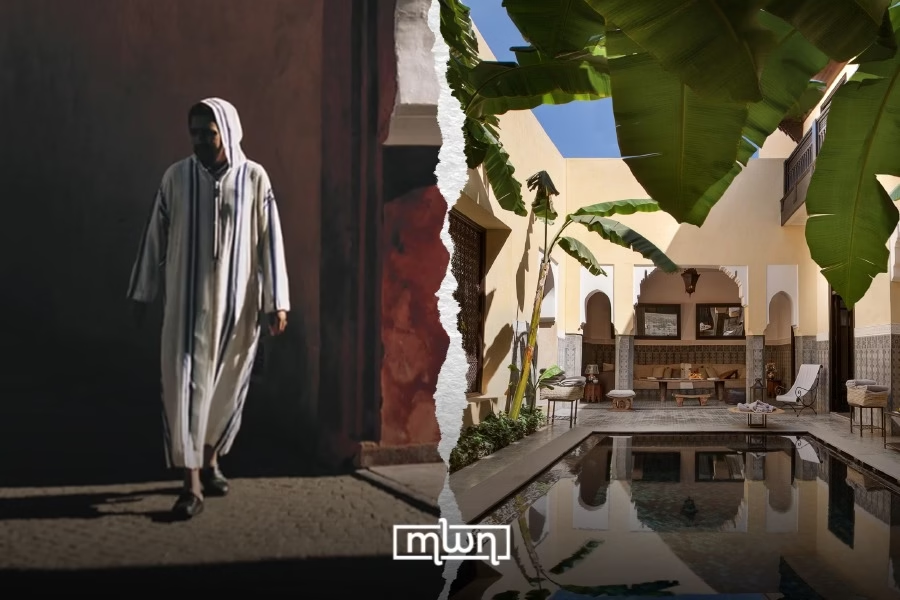
AKAN is redefining Moroccan luxury through soulful hospitality and a deep respect for cultural heritage. Fez– In a hotel world that often feels copy-pasted, one Moroccan family is doing something different. The Benabbès-Taarji legacy is bringing heart back into hospitality, with AKAN, a new collection of soulful places where design, memory, and heritage all live under the same roof. It’s not about building a brand. It’s about telling a story. A Moroccan story. Since 1998, one of the finest examples of this vision has quietly flourished in Marrakech’s Palmeraie. Set in three hectares of lush gardens, this serene retreat blends arabo-andalusian architecture with traditional craftsmanship and a lived-in sense of ease. Forty-four rooms and suites, scattered across intimate pavilions, open onto private patios and quiet pools. Under the leadership of Mohamed Hejjaj, the experience is as layered as the setting itself, dinner beneath olive trees, long walks along shaded alleys, or peaceful afternoons at the spa. Luxury here isn’t just about things. It’s about rhythm. Time. Texture. Authenticity. Then there’s La Villa des Orangers, a rare jewel just steps from Medina. Once a grand 1930s residence, now a refined Relais & Châteaux address, the first on the continent, no less, it offers 33 rooms and suites that stay true to Moroccan materials and artisanal savoir-faire. With its fountains, lush courtyards, scented gardens, and sweeping views of the Koutoubia and the Atlas Mountains, it’s both an escape and a deep dive into beauty. General Manager Souheïl Hmittou keeps the mood effortlessly elegant, while Chef Ighiri Abdelilah brings a sense of ceremony to every meal. The spa, inspired by Roman serenity, is the cherry on top. But AKAN isn’t just about beautiful properties, it’s about the thread that ties them together. “We’re not just lining up destinations,” says Eros Abrile, one of the minds behind the project. “We’re crafting a story. One of a living, layered, emotional Morocco.” That story continues through the work of Wafa Laksiri, Director of Marketing and Customer Experience, who curates bespoke immersive journeys for each guest, and Soraya Sandra El Mouch, Head of Brand Marketing, who ensures that each house, each element, fits into the larger narrative of AKAN. This isn’t tourism, it’s legacy work. For the Benabbès-Taarji family, each property is not a product, but a living archive. A place that holds memory. A cultural statement. A promise to last. And this is only the beginning. More homes will join the collection in time, each carrying a piece of Morocco with it, not the postcard version, but the real one. The soulful one. In a world where luxury can feel empty, AKAN is betting on the opposite: real emotion, local roots, and a sense of belonging that doesn’t go out of style. It’s a luxury that tells a story, not just of Morocco, but of a family choosing to pass something down.