UNESCO Picks Essaouira as Hosts of 2026 Creatives Cities Network Conference

For the first time in history, this global gathering of culture, innovation, and sustainable urban development will take place on African soil, in an Arab city.
Berklee Returns to Essaouira for Second Edition of Gnaoua Festival
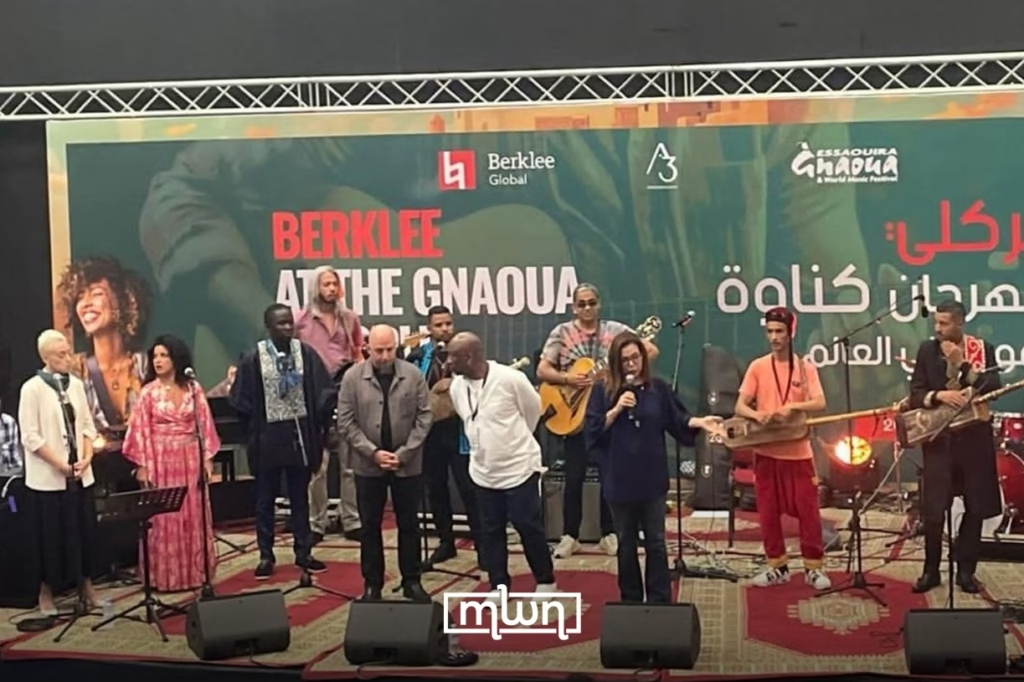
Berklee is back in Morocco prepped and ready to train Morocco’s next generation of musical prodigies. Fez– In a powerful meeting of musical worlds, Berklee College of Music is returning to Morocco with the second edition of its immersive musical training program with Essaouira’s he Gnaoua and World Music Festival program. From June 16 to 21, 2025, the coastal city of Essaouira will once again become a living classroom, where rising musicians from across the globe gather to refine their craft, explore new sounds, and tap into the deep musical soul of Gnaoua traditions. Essaouira may be small in size, but it looms large in the music world. Once a quiet artists’ haven that hosted legends like Jimi Hendrix and Carlos Santana, the city has evolved into a cultural hotspot, thanks largely to the Gnaoua and World Music Festival. Often referred to as the “Moroccan Woodstock,” the festival draws over half a million attendees each year and celebrates the spiritual, rhythmic, and historical richness of Gnaoua music, a genre deeply rooted in African heritage and seen by many as one of the ancestors of the blues. Berklee’s program, part of its Berklee on the Road initiative, is designed for actively performing musicians aged 18 and above, with at least two years of experience on their main instrument. The program is open to students from a wide range of musical backgrounds: from classical and jazz to pop, rock, and traditional Gnaoua, offering a rare opportunity to engage in high-level artistic collaboration and training within a global context. “This pioneering training program in Africa offers a unique opportunity for musicians to expand and refine their artistic potential,” says Neila Tazi, producer of the Gnaoua Festival. Classes will be held daily from 10 a.m. to 5 p.m. and led by a hand-picked team of Berklee faculty, including renowned professors and musicians such as Erini Tornesaki (voice), Fernando Huergo (bass), Godwin Louis (saxophone), Jason Camelio (Berklee Global), and Bri Tagliaferro (Berklee Global Partners). Instruction will be in English, with Arabic translation provided, ensuring accessibility for a wide range of participants. Professor Leo Blanco, a seasoned educator and researcher at Berklee, is the academic director of the program. His teaching philosophy is rooted in merging diverse musical cultures and fostering active listening and mutual understanding. “Participants will be immersed in continuous performance and collaboration with peers from all over the world,” Blanco explains. “They will be guided on how to blend multicultural musical elements and refine their own voice through collective experience.” Workshops will cover improvisation, musical collaboration, music technology, and the historical and spiritual dimensions of Gnaoua music. Beyond technical training, students will receive free access to all stages of the Gnaoua and World Music Festival, an extraordinary way to learn not just from teachers but from live musical giants on the festival stages. For any musician dreaming of pushing their limits, connecting with international artists, and studying in one of the most soul-stirring musical settings in the world, Essaouira is calling. Read also: Kasbah M’soun: Morocco’s Forgotten Fortres
Essaouira Gnaoua Festival 2025: Highlights, Fusions, and What to Expect This June
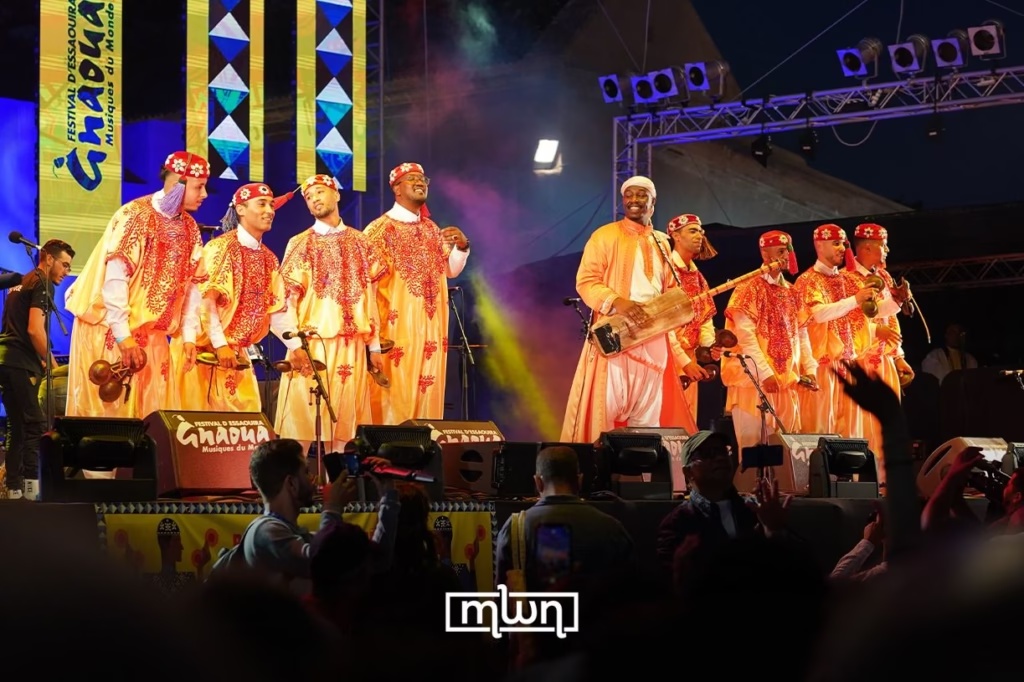
This June, Gnaoua 2025 returns to Essaouira with an electrifying mix of heritage, fusion, and global sounds. Rabat – From June 19 to 21, Morocco’s windy city will once again transform into a vibrant cultural hub as it hosts the 26th edition of the Essaouira Gnaoua and World Music Festival. Known for its one-of-a-kind musical fusions and electric atmosphere, the festival returns with a rich program that bridges Moroccan heritage and global sounds, cementing its reputation as one of Africa’s most important cultural events. A quick look back at 2024 confirms just how far the festival has come. Last year’s 25th anniversary edition wrapped up on a high note, with international and Moroccan artists lighting up Essaouira’s main stages. From traditional Gnaoua rhythms to bold cross-cultural experiments, the 2024 lineup reaffirmed the festival’s role as both a guardian of heritage and an engine of innovation. This year, the momentum continues. Headlining the opening night is the iconic Maâlem Hamid El Kasri, who was the closing headliner last year, joined by Senegal’s Bakalama dance company and singers Abir El Abed and Kya Loum. Together, they’ll craft a mesmerizing blend of Moroccan trance and West African percussion, an energetic celebration of shared African roots. The spirit of collaboration doesn’t stop there. Maâlem Houssam Gania, son of the late Mahmoud Gania, is set to team up with American jazz virtuoso Marcus Gilmore in a boundary-pushing performance that pairs the guembri’s deep, hypnotic groove with the precision of modern jazz drumming. Also on the lineup: Maâlem Mohamed Boumezzough will share the stage with a bold ensemble of musicians from Morocco, Mali, and France, including balafon master Aly Keita and jazz trumpeter Quentin Ghomari. Expect bold improvisations, surprising harmonies, and a live experiment in musical freedom. In a move that reflects the festival’s openness to contemporary genres, Afrobeats superstar CKay will also take the stage. With global hits like “Love Nwantiti” and his signature Afro-Emo sound, CKay brings a fresh energy that speaks to the new generation of African music lovers. Beyond the performances, the Gnaoua Music Festival 2025 is once again deepening its impact through academic and cultural initiatives, including a renewed partnership with Berklee College of Music as well as UM6P to establish a university Chair of Cross-Cultural and Globalization. Now in its 26th year, the Essaouira Gnaoua Festival is a living laboratory for music, identity, and creative dialogue. This June, all roads lead to Essaouira for three unforgettable days of rhythm, soul, and cross-cultural celebration. Stay tuned; more surprises will be on the way. Read also: Met Gala 2025: A Record-Breaking Fundraiser for Fashion’s Biggest Night
New Book Explores Essaouira’s History Through Its Unique Architecture
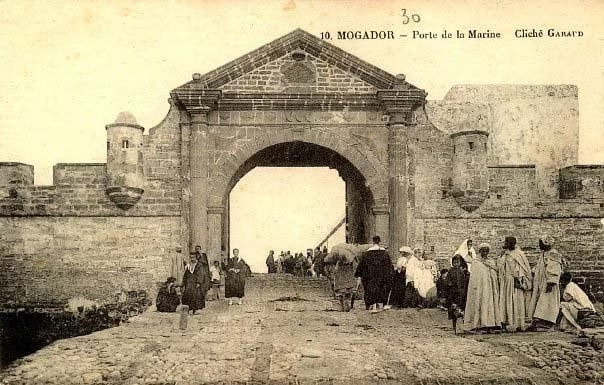
Mina El Maghari’s new piece proves buildings can speak louder than documents, and offers a fresh perspective on history as a living entity. Fez – Moroccan researcher Mina El Maghari has just released a stunning new book titled “Mogador–Essaouira: Excavations in a Unique Architectural Heritage”, published by Dar Abi Raqraq. And no, it’s not your typical history lesson with dusty dates and royal family trees. This book tells the story of Essaouira through its walls, streets, arches, and curves, every stone a whisper from the past. Instead of relying on traditional historical documents, El Maghari takes a bold and refreshing approach: she reads the city’s history through its architecture. Essaouira, formerly known as Mogador, is not just a picturesque coastal town that tourists fall in love with. It played a pioneering role in Morocco’s modern history, serving as a crossroads for cultures, ideas, and aesthetics. And this book doesn’t just celebrate the beauty of its buildings, it reveals their meaning, their memory, and their message. What makes El Maghari’s work so valuable is that it reclaims a space that’s been missing in historical research: architectural monographs. These aren’t just coffee table books full of pretty pictures. They’re deep dives into how a place became itself, brick by brick. Her book shows how Morocco’s artistic and architectural heritage isn’t just a backdrop for Instagram photos, it’s a living archive of everything the country has been through. Even more interestingly, she challenges a long-held assumption in academic circles: that architecture and aesthetics are secondary to “serious” history. But what if buildings can teach us just as much as books? El Maghari makes a compelling case that Morocco’s identity can’t be separated from its architecture, that the arches of Essaouira hold just as much historical weight as any document. This book isn’t just about celebrating the past. It’s a quiet but firm response to the cultural erosion happening today. As Moroccan cities increasingly lose their soul to concrete and copy-paste construction, El Maghari’s work reminds us what real beauty looks like, and what it stands for. It’s a call to revalue heritage not just as something to preserve, but as something to understand. “Mogador–Essaouira” offers something rare: perspective. Through her sensitive and deeply researched lens, El Maghari invites us to see the city not just with our eyes, but with our historical imagination. And that’s the kind of vision Morocco needs right now. Read also: How to Spend Summer in Morocco Without Melting (or Missing Out)
Essaouira Celebrates Grand Arrival of 34th Rallye Aïcha des Gazelles

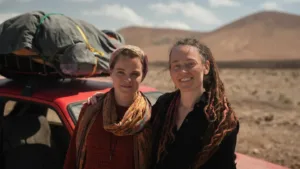
Across dunes and dreams, the Rallye found its final breath in Essaouira. Fez – Essaouira, the vibrant Pearl of the Atlantic, came alive on Saturday as it warmly welcomed the arrival of the participants of the 34th edition of the internationally acclaimed Rallye Aïcha des Gazelles. The beach of the Moroccan city transformed into a lively, colorful scene as 172 teams, representing 11 different nationalities, paraded in high spirits. Having set off from Monaco on April 12, the crews, accompanied by their partners and the organizing teams, offered a vibrant spectacle that delighted the large crowds gathered to witness the event’s final chapter. Adding to the grandeur, the prestigious “Marche Verte” aerobatic team from the Royal Moroccan Air Force dazzled spectators with an extraordinary aerial show. Their precise maneuvers, breathtaking formations, and seamless acrobatics drew vivid murals across the sky, a true testament to their world-renowned expertise in agility, synchronization, and control. The day’s festivities culminated in a grand awards ceremony, attended by prominent figures including André Azoulay, Advisor to His Majesty the King and President-Founder of the Essaouira-Mogador Association; Christine Lagarde, President of the European Central Bank; the Governor of Essaouira, Adil El Maliki; and the President of the Essaouira Municipal Council, Tarik Ottmani. Team 242, Carine Randin and Mélanie Grognuz of Switzerland, claimed the top prize in the “4×4/Trucks” category. Read also: Zaynab an-Nafzawiyah: Political Genius and Queenmaker of Medieval Morocco In the “Crossover” division, Team 306, composed of Sabine Callot and Béatrice Château from France, secured first place. The “Quad/SSV” trophy was awarded to Élisabeth Kraft and Célia Mascart, while the “E-Gazelle” title went to Barbara Bachmann Commerot and Valentine Simon Robinot, all representing France. In his address, Azoulay paid tribute to Dominique Serra, the visionary founder of the Rallye, praising her unwavering commitment to modernity and progress over the past 35 years. He stressed that in a world increasingly marked by division, Essaouira proudly stands as a beacon of openness, respect, and diversity. For her part, Lagarde highlighted the Rally’s embodiment of resilience, solidarity, and personal achievement, drawing an insightful parallel to key economic principles such as leverage and the multiplier effect. She hailed the Gazelles as women of conviction, courage, and vision. Dominique Serra, in turn, reaffirmed the symbolic power of the Rallye as a rare space of freedom, sisterhood, and empowerment, offering women a platform to redefine themselves beyond stereotypes. The ceremony concluded with documentaries showcasing the Rally’s environmental commitment, solidarity initiatives, and the profound empowerment it fosters. This edition gathered 344 female drivers and co-drivers, aged 22 to 71, who braved the Moroccan desert in an extraordinary demonstration of endurance, strategy, and perseverance.
Essaouira Festival Opens Dialogue on Craftsmanship as a Cultural Bridge Between Morocco, Andalusia
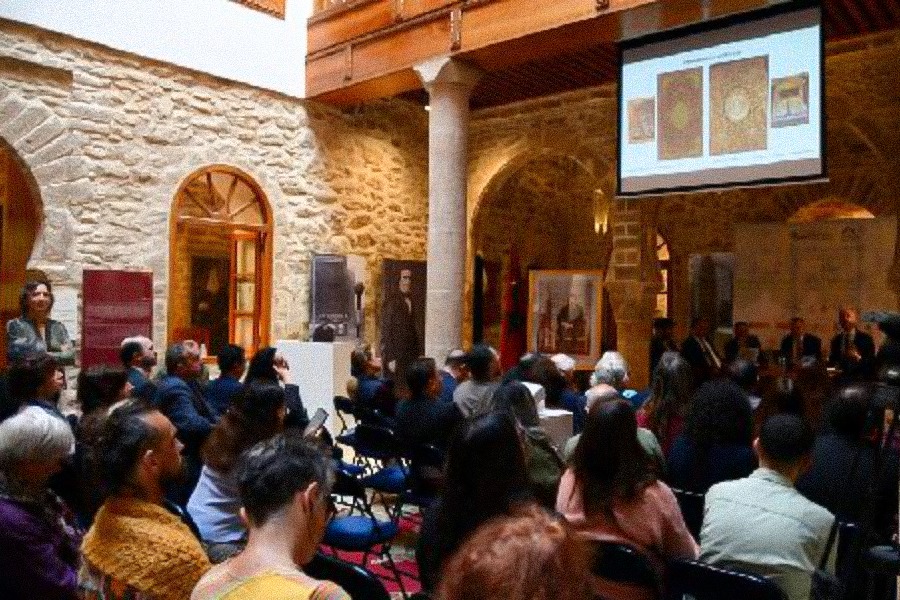
A centuries-old connection between Morocco and Andalusia took center stage at a prestigious gathering in Essaouira. Fez — On Saturday, Essaouira was a gathering place for high-level figures at the 3rd edition of the “L’Âme des Cultures” International Festival. A highlight of the event was a panel on the role of craftsmanship in bridging cultural gaps and connecting Morocco and Andalusia, attended by André Azoulay, Adviser to the King and President of the Essaouira-Mogador Association, and Adil El Maliki, Governor of Essaouira. Also present were other prominent diplomatic, cultural, and artistic personalities. The panel, titled “Craftsmanship as a Living Heritage: Material Heritage and Knowledge Transfer,” tackled the deep, mutual influence of craftsmanship across the Mediterranean. One panelist, Moha Er Rich, Director of Heritage Preservation, Innovation, and Promotion at the Ministry of Craftsmanship and Social Economy, stated that craftsmanship is more than just an economic sector, it’s a strong cultural marker reflecting the shared history of Morocco and Andalusia. Jose de Leon, an Andalusian expert in decorative arts, pointed out that centuries of cultural exchange between Morocco and Andalusia have shaped unique artistic styles and techniques. These traditions continue to be passed down through generations, preserving a common legacy. Paquili, a master craftsman from Seville specializing in gold embroidery, noted the mutual impact of Morocco and Andalusia on ornamental techniques, particularly visible in traditional costumes and decorative items. Youssef Jeddi, a specialist in Thuya wood marquetry, talked about the need to adapt craftsmanship to modern challenges while safeguarding its authenticity. He stressed that the modernization of the craft sector should highlight, not diminish, ancient techniques, promoting them on international markets. Also speaking on the panel were Abdelhafid Essabi and Abdeljalil Bassis, two master jewelers, who discussed the cultural significance of the “Deg Souiri” jewelry, which reflects the intertwined Jewish-Amazigh and Arab-Andalusian influences in Essaouira’s history. The panel also addressed the urgent need to preserve craftsmanship in the face of globalization, as well as the scarcity of raw materials, and evolving artisan practices. The experts called for stronger training programs for younger generations and greater support for artisans to ensure the survival of this living heritage. The “L’Âme des Cultures” Festival is co-organized by the “Jeunes de l’Art Authentique pour le Samaâ et le Patrimoine” Association of Essaouira’s Zaouïa Qadiriya, the Three Cultures Foundation of the Mediterranean, and the Machado Foundation of Seville. This festival, under the theme “Our Shared Spiritualities: Between Ethics and Aesthetics,” culminates today, offering not only musical concerts but also spaces for reflection and dialogue on the deep connections that transcend cultural and religious boundaries. Read also: How Four Seasons Marrakech Is Redefining Iftar and Beyond
Essaouira Crossed the One-Million Tourist Threshold in 2024
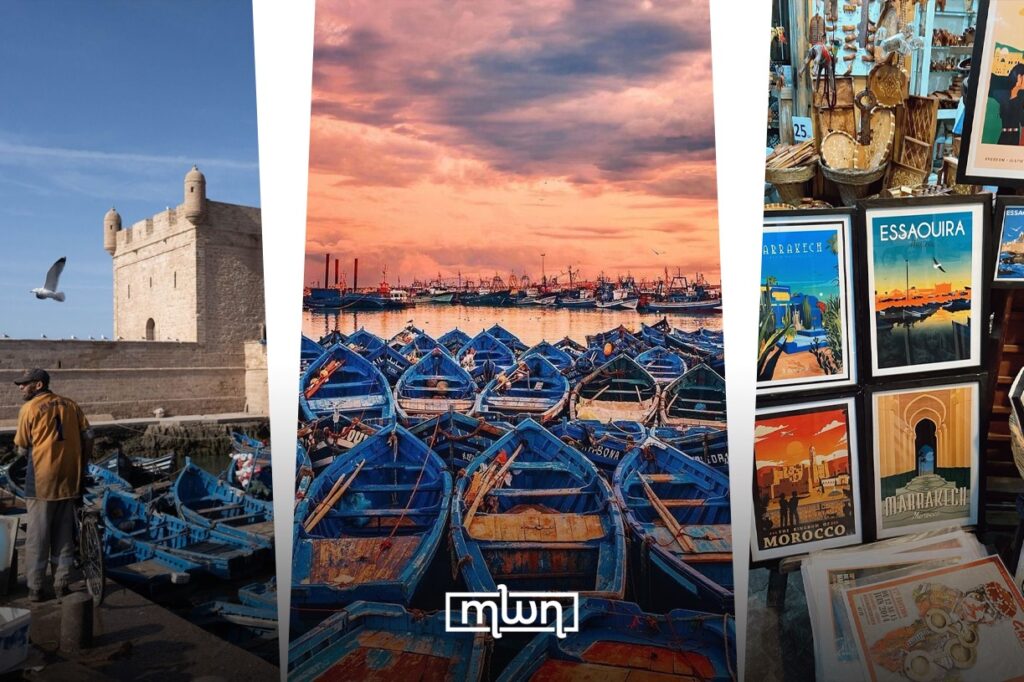
Let’s talk Essaouira — the coastal Moroccan city where you can live your best life. Marrakech – Over a million tourists visited the City of Trade Winds — Essaouira — last year, breaking records and setting a new benchmark for what a booming travel destination looks like. And trust me, it’s not just the postcard-perfect views or the salty ocean breeze that’s drawing the crowds. Redwane Khanne, president of the Provincial Tourism Council (CPT) of Essaouira, put it succinctly: “With more than one million tourists, Essaouira-Mogador has crossed a historic threshold in 2024.” But wait, there’s more. According to Khanne, the city also clocked over three million overnight stays in classified establishments alone. That’s not counting informal stays and Airbnb bookings, which have traditionally made up a big slice of Essaouira’s tourist pie. If you think this city sleeps in the off-season, think again. “2024 was also marked by a phenomenon characteristic of the exceptional momentum of Essaouira’s tourism, which, for the past decade, has seen the fading of traditional seasonality that used to define the rhythm of tourist flows,” stated Khanne in a recent press release. “Now, Essaouira is practically full year-round — winter as much as summer, autumn as much as spring.” That’s right: Essaouira is no longer just a summer fling. So, what’s fueling this unseasonal magic? A thriving cultural scene, led by the Essaouira-Mogador Association, which organizes or collaborates on 15 music festivals a year alongside countless forums and conferences. This is a city where culture, art, and heritage aren’t just buzzwords — they’re a strategy. As Khanne points out, the association has been a pioneer in sustainable development for over 30 years, and it shows. 2025 looks bright If you thought 2024 was impressive, buckle up. The year ahead promises even bigger things: The Cité des Arts, de la Culture et du Patrimoine project — designed by none other than the late, great Oscar Niemeyer — is making impressive progress. Mogador Resort is getting a makeover with a whopping MAD 5 billion investment. But here’s the catch — Essaouira’s infrastructure needs a glow-up to match its newfound stardom. “The most appropriate answers must now be given to challenges related to national and international connectivity — by road, air, and rail — to consolidate and optimize the city’s exceptional momentum,” the CPT concluded. From a sleepy coastal town to a cultural powerhouse, Essaouira has earned its place on the global tourism map. The question is: Have you booked your ticket yet?