Should Children Have a Say in Family Decisions?
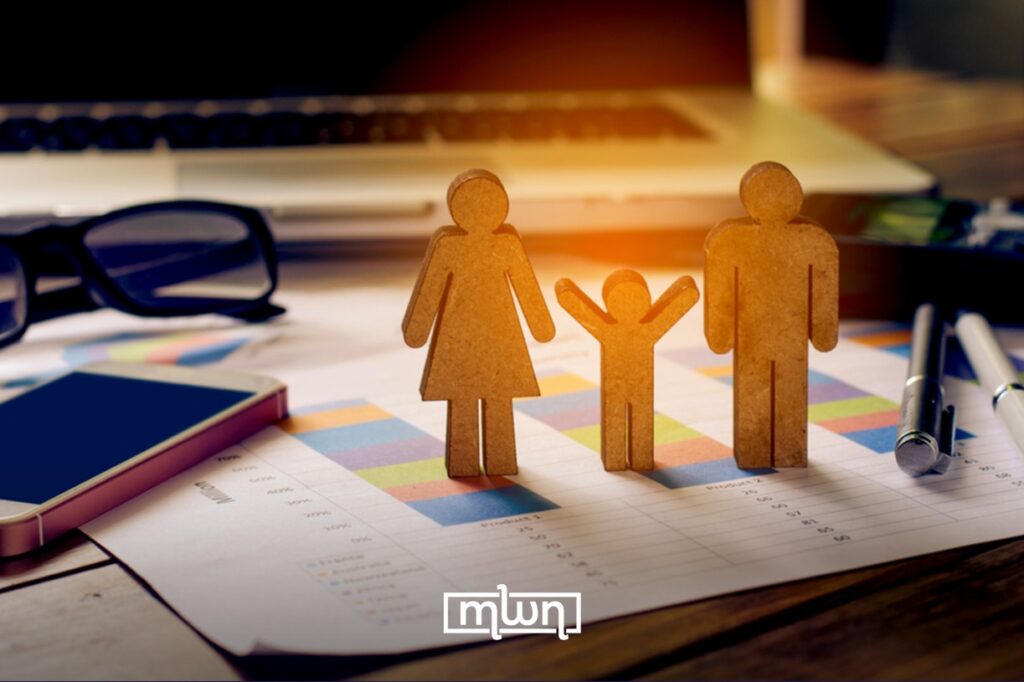
Sometimes the smallest voices in the house have the biggest impact. Fez– Many parents believe they know best when it comes to family decisions. After all, they have experience, wisdom, and a deep love for their children. But does that mean children should have no say? Absolutely not. Giving kids a voice in family decisions is not just about making them happy. It shapes their personality, builds confidence, and teaches them responsibility. Building strong, confident individuals Children who are allowed to express their opinions grow into confident adults. When they feel heard at home, they learn that their thoughts matter. This helps them speak up in school, in friendships, and later in their careers. A child who is always told, “You’re too young to decide,” may grow up doubting their ability to make choices. Imagine a family planning their summer vacation. If parents make the decision alone, the children might feel ignored. But if they ask, “Where would you like to go?” or “What activities do you enjoy?” kids feel valued. Even if parents make the final call, the fact that children are involved boosts their confidence and sense of importance. Teaching responsibility and decision-making Making choices comes with responsibility. When children help in family decisions, they learn about consequences. Say a child insists on getting a pet. Instead of saying “No, it’s too much work,” parents can discuss responsibilities. “If we get a dog, you need to walk it every day. Do you think you can handle that?” This approach makes kids think, reflect, and understand the impact of their choices. Small decisions prepare children for bigger ones. A teenager who helped in family discussions about finances, house rules, or school choices will have better judgment when making life-changing decisions as an adult. Strengthening the parent-child relationship A home where children are heard is a home where trust grows. When kids feel safe expressing their thoughts, they are more likely to share their problems. If parents always dismiss their opinions, children may stop talking altogether. Take the example of a family moving to a new city. If parents discuss it openly, asking, “How do you feel about this move?” children will process the change better. But if they only hear, “We’re moving, deal with it,” they might feel powerless, anxious, or even resentful. Creating future leaders The world needs leaders who think critically and speak with confidence. A child who participates in family discussions learns these skills early. They understand negotiation, compromise, and standing up for what they believe in. Involving kids in decisions doesn’t mean letting them rule the house. It means respecting their thoughts and guiding them wisely. A child’s voice matters. And when they know it does, they grow into adults who believe in themselves and create a better world. Read also: Should Children Be Allowed to Have Social Media Accounts?
The Lasting Impact of Violent Parenting
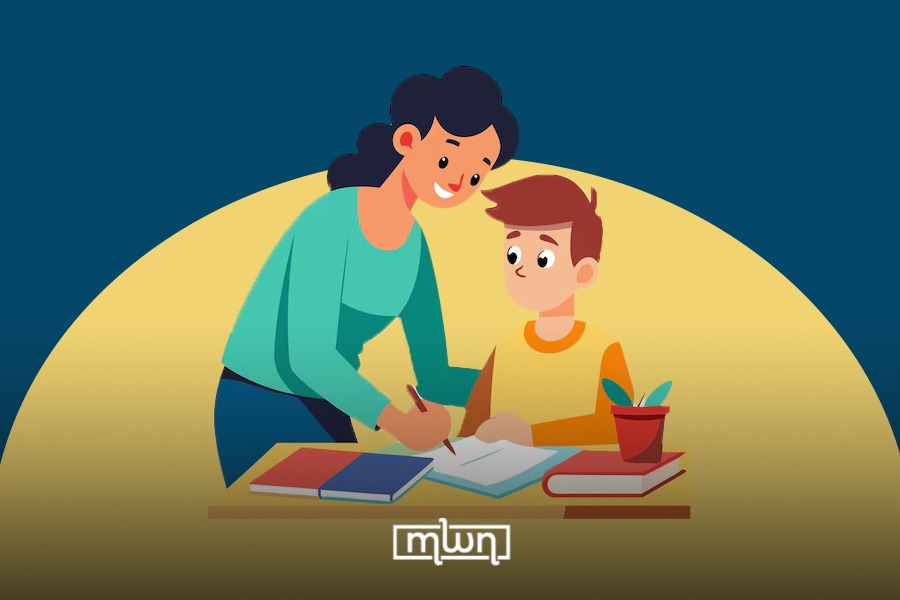
Some lessons shape a child’s future, but when those lessons come with fear and pain, the scars last longer than the memories. Fez – Some children grow up in homes filled with love, patience, and understanding. Others live in fear of raised voices, harsh words, and hands that should comfort but instead cause pain. The debate on whether parents should use violence to educate their children is not new, but the scars, both visible and hidden, are real. Many parents believe that hitting a child teaches discipline. They say that strict punishment builds strong character. But fear is not respect. A child who fears a parent may obey, but not out of understanding. Instead, they learn to associate love with pain. They grow up walking on eggshells, afraid of making mistakes. They learn to hide their failures rather than face them. Discipline is important, but violence is not discipline; it’s control. There is a difference between teaching a child and making them afraid. A child who is shouted at, slapped, or beaten does not learn right from wrong. They learn that power wins. They learn that those who are stronger can hurt those who are weaker. Studies show that children raised with physical punishment are more likely to struggle with anxiety, depression, and low self-esteem. They may also become aggressive, repeating the same cycle with their own children. Some grow up never feeling good enough, constantly doubting their worth. The wounds left by violence do not heal with time. They shape the way children see themselves and the world around them. Breaking the vicious cycle of child abuse Many parents say they hit their children because they were raised the same way. But if something caused pain, should it be repeated? If a child learns best through kindness and communication, why choose violence? Parents have the power to break the cycle. Teaching a child through patience and guidance creates confidence, not fear. Violence does not only come in the form of physical punishment. Harsh words, insults, and humiliation cut just as deep. A child who is constantly told they are useless will grow up believing it. They will carry those words into adulthood, hearing them in their minds long after they have left their childhood home. Children remember how they were treated more than the lessons they were taught. They remember the nights they cried in silence. They remember the times they were too afraid to ask for help. But they also remember the moments when someone chose to listen instead of yell, to guide instead of punish. Raising a child is not easy. There are moments of frustration and exhaustion. But violence is not the answer. A child’s heart is fragile, and the way they are treated shapes the person they become. Words can heal or destroy. Hands can comfort or harm. Parents have a choice: to raise a child in fear or love. One leaves wounds. The other teaches self-esteem and can lay the groundwork for resilience for later in the child’s life. And in the end, a child who grows up feeling safe will always remember the home that taught them love over fear. Read also: What Does It Mean to Be a Fashionista?
The Hidden Signs of Emotional Burnout
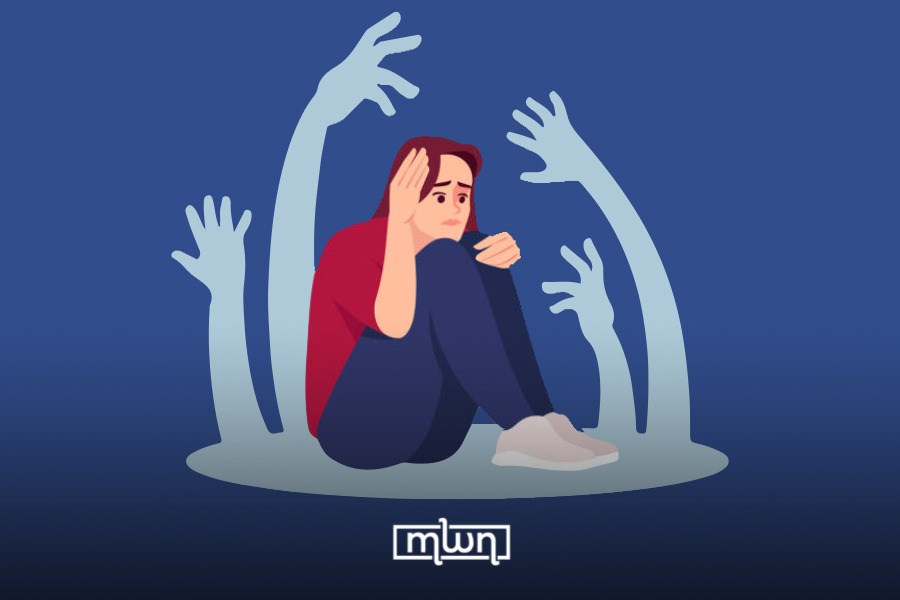
What if the biggest warning sign is the one you’ve learned to ignore? Fez – Emotional burnout doesn’t happen overnight. It creeps in slowly, often unnoticed, until exhaustion becomes the new normal. Many people push through, unaware of the warning signs, mistaking them for simple fatigue or stress. But burnout is more than just being tired; it drains energy, motivation, and even the ability to feel joy. According to Integris Health, one of the first signs is a deep sense of emotional numbness. Things that once brought excitement or happiness start to feel dull. Conversations feel forced, and even small tasks seem overwhelming. People going through burnout often feel disconnected from their own emotions, as if they’re watching their lives from the outside. Another hidden sign is unexplained irritability. Little things, background noise, slow internet, and a casual question, start to feel unbearable. Burnout shortens patience, making it harder to handle everyday frustrations. This can lead to guilt, as people struggle to understand why they’re reacting so strongly to things that never bothered them before. Sleep patterns also change. Some people struggle with insomnia, their minds racing long after they’ve gone to bed. Others sleep more than usual but still wake up exhausted. No amount of rest seems to restore energy, leaving a constant feeling of heaviness. Physical symptoms are just as telling. Frequent headaches, stomach issues, and unexplained body aches can be signs of burnout. According to psychologists, the body responds to emotional exhaustion the same way it does to prolonged stress – leading to real, lasting discomfort. Perhaps the most concerning sign is detachment. Burnout can make relationships feel like a burden rather than a source of comfort. People withdraw from friends, avoid social events, and prefer to be alone, not out of preference but out of sheer exhaustion. Despite how common emotional burnout is, society often fails to recognize it. Many people assume burnout is just laziness or lack of discipline. It is frequently mistaken for depression, boredom, or simply a bad attitude. Employers may dismiss it as an excuse, friends may not understand why someone has suddenly become distant, and even family members might urge their loved ones to “just push through.” This misunderstanding makes burnout even harder to address. People struggling with it may feel pressured to keep performing, afraid of being judged if they admit they are emotionally drained. The stigma surrounding mental exhaustion discourages people from seeking help, leading to deeper burnout and long-term consequences. Recognizing these signs is the first step. Burnout isn’t a sign of weakness; it’s the body’s way of demanding rest. Society needs to shift its perspective and take burnout seriously. Slowing down, setting boundaries, and seeking support can make all the difference. Ignoring burnout won’t make it go away. But paying attention to its signs can be the key to recovery before it takes a deeper toll. Read also: The Science of Manifestation: Does It Really Work or Is It a Placebo?
The Ugly Impact of Beauty Standards on Mental Health
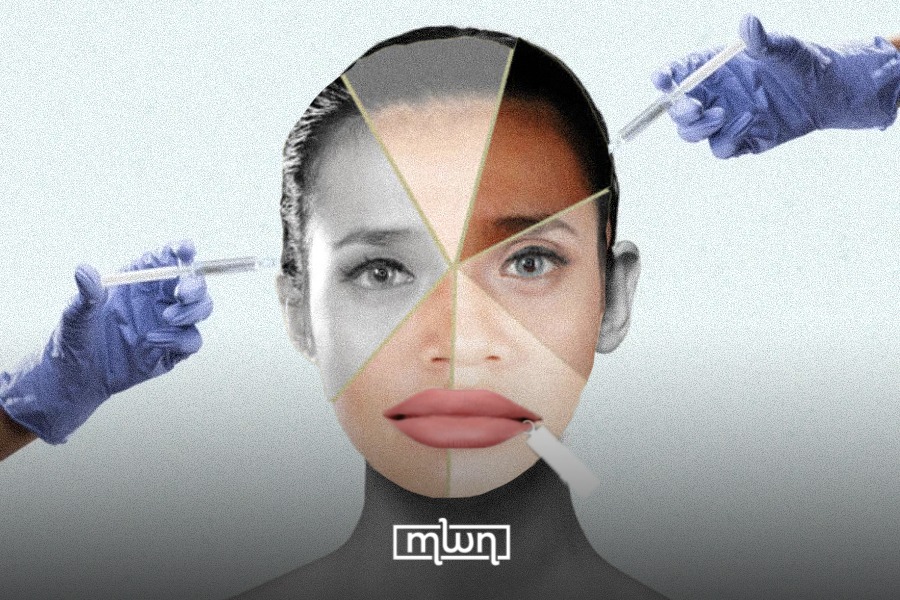
Beneath the glossy facade of beauty standards lies a deeper truth — let’s wipe off the glam and see what’s beneath the surface. Fez – In the era of social media, beauty standards have grown increasingly rigid, imposing damaging expectations on both men and women. These unrealistic ideals, often perpetuated by online trends, create a toxic cycle of comparison and self-doubt, leading to widespread mental health challenges like depression, anxiety, and poor self-esteem. Take, for example, the rise of TikTok filters that distort reality. Filters that give users high cheekbones, smooth skin, and plump lips reinforce an unattainable “snatched” face ideal. Many young people feel pressured to match these artificial features in real life, sparking insecurity about their natural appearances. For instance, trends like “What I Eat in a Day” videos on YouTube and TikTok glamorize restrictive diets and fuel unhealthy relationships with food and body image. These pressures start early, but they don’t disappear with age. People in their late teens and twenties continue to face scrutiny over their weight, appearance, or style. Platforms like Instagram magnify these issues by celebrating curated perfection, where “perfect” bodies dominate the Explore Page, and captions often pair beauty with worth. A prime example is the “slim-thick” ideal, popularized by influencers, which glorifies a narrow waist paired with exaggerated curves—a body type that is unachievable for most without surgery or extreme fitness routines. The psychological toll extends beyond individual insecurities. Social media’s emphasis on Eurocentric beauty standards, such as fair skin, straight hair, and slim noses, marginalizes people of color and reinforces a singular, exclusionary definition of beauty. Features and appearances outside these norms are often overlooked or fetishized rather than genuinely celebrated. For some, these unattainable standards lead to feelings of alienation. Many internalize self-critical thoughts, labeling themselves as “too fat,” “too skinny,” or “too unattractive” to fit in. Isolation during formative years, compounded by such judgments, can stifle social growth and leave lasting scars. Yet, the tide is slowly shifting. Movements promoting body positivity and self-acceptance challenge these harmful norms. Hashtags like #NormalizeNormalBodies and campaigns from brands embracing diversity showcase a broader range of beauty. For example, the rejection of highly edited “before-and-after” transformation videos reflects a growing awareness that worth isn’t tied to appearance. To dismantle harmful beauty standards, society must foster a culture of empathy and inclusivity. Social platforms have a role to play by promoting authentic and diverse content rather than curated perfection. Individuals, too, can reject the pressure to conform by celebrating their uniqueness and redefining beauty on their own terms. Remember, your worth isn’t measured by filters, trends, or others’ opinions. Real strength lies in embracing who you are, flaws and all. Let’s work toward a future where beauty celebrates individuality rather than conformity. Read also: Morocco’s Fashion Evolution From Classic Elegance to Chaotic Trends
The Gym Your Brain Actually Needs (No Sweating Required)

You’re sipping your morning coffee, scrolling through your newsfeed, and BAM — another article on fitness (Sorry, not sorry.) Marrakech – Cardio this, strength training that. But what about the gym membership your brain deserves? Yes, I’m talking about mental fitness. And no, it doesn’t come with overpriced leggings or protein shakes, but trust me, it’s just as important. Mental fitness isn’t about logging hours in a spinning class; it’s about nurturing your emotional resilience, sharpening your focus, and finding balance in that bustling mind of yours. Think of it as yoga for your soul — minus the downward dog (unless that helps you, in which case, go for it). The mental workout When life throws its relentless hurdles your way — deadlines, relationships, the existential crisis that hits at 3 AM — your brain is your MVP. Keeping it fit means equipping yourself to bounce back faster than your ex moved on. Psychologists often preach the wonders of mindfulness, gratitude, and journaling. “Write down three things you’re grateful for each day,” they say. But let’s be real: some days, you’re just grateful your Wi-Fi didn’t crash during that Zoom meeting. And that’s okay. Gratitude is a muscle — it starts small. Another classic mental workout? Saying “no.” Yes, no is a complete sentence. It’s a squat for your boundaries. Every time you decline that extra commitment, you’re lifting a little mental weight off your shoulders. Food for thought What you feed your brain is just as crucial as what you feed your body. And no, I’m not suggesting a kale smoothie for your thoughts (although, yum). It’s about what you consume mentally — books, podcasts, conversations that ignite your curiosity. Your brain is hungry for stories, learning, and the occasional guilty pleasure Netflix binge. Balance is key. One of my favorite quotes comes from an anonymous wise soul on the internet: “Your mind is a garden. Your thoughts are the seeds. You can grow flowers, or you can grow weeds.” And let’s be honest, none of us want dandelions sprouting in our mental real estate. The cool down Here’s the thing: mental fitness isn’t a destination; it’s a journey. Some days, your brain will feel like it’s running a marathon. Other days, it’ll barely crawl out of bed. And both are okay. So, my dear reader, as you sip your coffee and plan your day, remember to flex those mental muscles. Meditate, laugh, breathe deeply, and for heaven’s sake, put down your phone once in a while. Because a fit mind is the ultimate glow-up. Mental fitness is the gym membership your brain didn’t know it needed. And this one doesn’t come with monthly fees. Just a little daily effort — and maybe some quiet moments to yourself. After all, darling, your mind is your greatest asset. Keep it in shape.
Hours to Midnight: How to Feel When You Don’t Know How to Feel

It’s the countdown to the countdown for the end of 2024, and if you’re in Morocco, you are six hours away from the New Year. Marrakech – The world is split into two camps right now: those in sequins, ready to pop champagne, and those in sweatpants, contemplating whether it’s too late to cancel plans. (Spoiler: it’s not.) If you’re in Morocco, you have six hours to go, and the pressure’s on — not just to figure out where you’ll be at midnight, but how you should feel about it. Should you be reflective? Excited? Nervous? Or should you just ignore it all, pour yourself a drink, and text everyone “Happy New Year!” at 8 p.m. before going to bed? A moment to reflect Around this time, you might feel like the ghost of January past has suddenly shown up to remind you of every goal you didn’t hit. (Yes, we’re looking at you, unused gym membership.) But let me stop you right there: it’s okay if you didn’t become fluent in French or start that side hustle. Survival can be a goal too, and if you made it through the year — congratulations. Take five minutes, write down three things you’re proud of (even if it’s just “I watered my plants”), and let the guilt go. You can Marie Kondo the rest of your regrets tomorrow. The ‘what if?’ spiral As the clock ticks, there’s always that nagging feeling: Did I make the most of the year? Maybe you spent too much time at work, or maybe you didn’t say “yes” enough. But here’s the thing: time is slippery. You could spend the next few hours spiraling about what you should have done, or you could spend this time deciding how you’ll write the next chapter. It’s not about the missed opportunities; it’s about creating new ones. Midnight FOMO: Ah, the social media circus. Someone’s in a chic rooftop bar. Someone else is in a cozy cabin with fairy lights and perfectly messy hair. And then there’s you, wondering if you should just stay home. Here’s the truth: midnight is just a moment. What matters is how you feel about your moment. Whether it’s a glittering party, a quiet night with loved ones, or simply falling asleep with Netflix on the “Are you still watching?” screen, your New Year doesn’t have to look like anyone else’s. Permission to be a hot mess: Let’s normalize this: it’s okay to feel… everything. Excitement, nostalgia, even dread. New Year’s Eve is like an emotional buffet, and you don’t have to pick just one feeling. Give yourself permission to feel whatever comes up — and maybe even embrace the chaos. How to spend these last hours of 2024 1. Make a playlist: Start with Adele (reflective tears), throw in some Beyoncé (queen energy), and end with something ridiculous from the ‘90s. 2. Do something symbolic: Write down what you want to leave behind, then toss it. Burn it. Or just throw it in your “junk drawer” where it’ll never be seen again. 3. Wear something fun: Even if you’re staying in. Life feels better in good shoes and a little eyeliner. 4. Choose your midnight move: Champagne toast, text your ex (kidding, don’t), or watch fireworks. Make it your own moment. As for me in Morocco? I’ll probably spend the next six hours writing this, wondering if my readers will find themselves in these words, and maybe, just maybe, figuring out how I want to feel about the clock striking twelve. But here’s the thing about New Year’s Eve: it’s not about the countdown — it’s about how you show up when the clock resets. So, take a deep breath, pop some bubbly (or tea), and step into the New Year however you damn well please. See you on the other side.