From Feast to Famine: How Moroccans Adapt After Ramadan and Eid
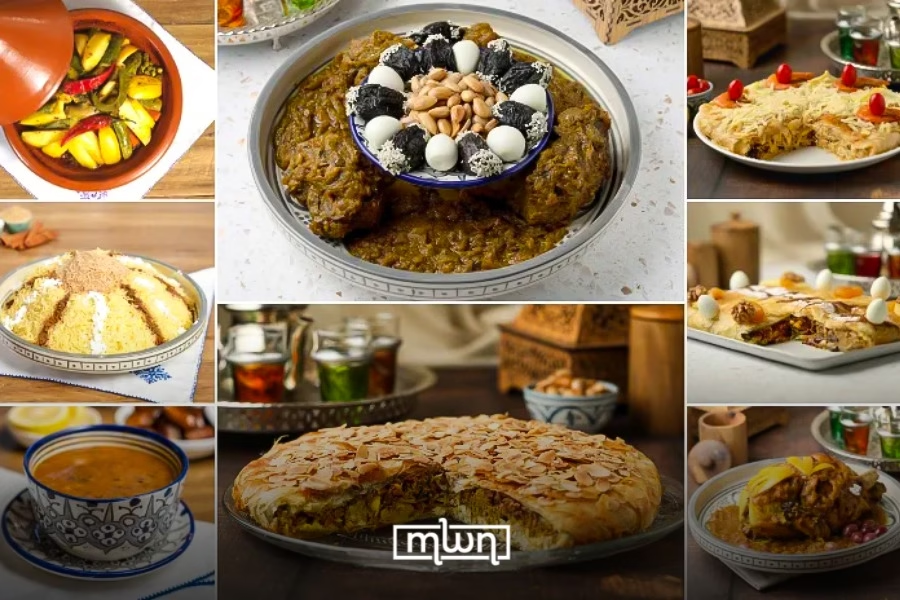
Ramadan is over, Eid has passed, and suddenly, our fridges look suspiciously empty. Fez – One day, you’re dining like royalty, feasting on lamb, sweets, and delicacies fit for a sultan. The next, you’re staring at a sad bowl of plain lentils, wondering how life took such a drastic turn. Welcome to post-Ramadan reality in Morocco, where the transition from indulgence to normalcy feels like stepping off a magic carpet ride straight into a budgeting seminar. During Ramadan, Moroccan tables overflow with harira, chebakia, briouats, msemen, and enough dates to supply an entire oasis. Suhoor and iftar become sacred culinary rituals, elevating even the simplest ingredients into lavish experiences. Then comes Eid, the grand finale, a day of feasting where the diet takes a backseat and sugar levels reach record highs. But the moment Eid ends, reality comes knocking. The extravagant spreads vanish, replaced by humble meals that whisper, “Let’s calm down.” No more daily pastries or meat-heavy dishes; it’s time for lentils, vegetable tagines, and maybe, if luck permits, some leftover Eid cookies rationed with military precision. The fridge that once looked like a palace banquet hall now resembles a minimalist art exhibit. After a month of nocturnal feasting, returning to regular meal times is a challenge. Breakfast after 8 a.m. feels unnatural, and lunch at noon? Practically illegal. The stomach, confused and betrayed, demands harira at sunset while the brain struggles to remember how to function without a caffeine-fueled iftar rush. It takes days, sometimes weeks, to reset digestive clocks and rediscover what hunger feels like outside of carefully scheduled fasting hours. During Ramadan, fatigue is expected, and naps are a daily survival tactic. Post-Ramadan, however, people expect to feel refreshed and energized only to realize that their bodies have adapted to a unique rhythm. The struggle is real: Waking up early feels like a punishment, and the 3 p.m. slump is worse than ever. The adjustment is slow, and coffee consumption skyrockets as people attempt to power through the post-Eid haze. Ramadan brings a sense of community, reflection, and structured purpose. Once it’s over, there’s an undeniable void. The evenings lack the same excitement, and the spiritual momentum can feel difficult to maintain. Moroccans counter this by easing back into routine with social gatherings, post-Eid tea sessions, and, of course, complaining about how much weight they’ve gained (only to complain later about missing Ramadan feasts). Life after Ramadan and Eid is a readjustment, a journey from indulgence back to balance. The food may be simpler, the schedule more rigid, but one thing remains unchanged: Moroccans will always find a way to make even the simplest meal feel like a celebration. Read also: Eid Al Fitr: What to Wear If Traditional Outfits Aren’t Your Thing
How Morocco’s Youth Are Redefining Ramadan Traditions with Social Media
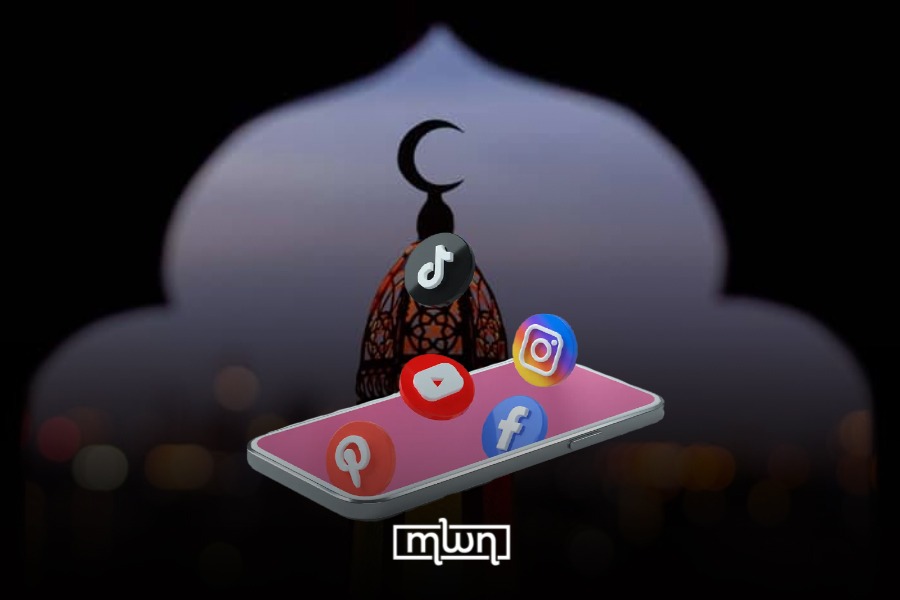
Whether its sharing their ftour preparations or live streaming Taraweeh prayers, Moroccan youth are transforming the way they celebrate Ramadan, blending tradition with the power of social media. Fez – Ramadan, the holy month of fasting, prayer, and reflection, is a time when millions of Muslims come together in shared devotion. In Morocco, as in many parts of the world, this sacred month has always been a deeply personal and family-oriented experience. But today, a new wave of young Moroccans is reshaping the way Ramadan is celebrated, thanks to the ever-growing influence of social media. Platforms like TikTok and Instagram are becoming central to how the youth interact with their faith, turning Ramadan into a digital experience. One of the most noticeable trends among Moroccan youth is the live streaming of nightly Taraweeh prayers. These evening prayers, often a communal event at mosques, have made their way into the digital sphere. On platforms like Instagram Live or TikTok, young Moroccans share the intimate moments of their prayers, connecting with family and friends near and far. This digital shift allows people to participate in a spiritual event from the comfort of their homes, while also sharing their devotion with a broader audience. For some, it’s a way to make Ramadan feel more inclusive, especially in a time when travel or large gatherings might not always be possible. Digital ftours are also gaining traction. Traditionally, ftours, the meal that breaks the fast at sunset, is a time for family gatherings and community sharing. However, young Moroccans are taking it to the next level by broadcasting their ftourmoments online. Some host virtual gatherings, where followers from around the world join in to break fast together via video call. Others share videos of what they’re eating, offering recipe tips and showing traditional Moroccan dishes like harira or dates and almonds. This shift not only makes Ramadan more interactive but also brings Moroccan cuisine into the global spotlight, allowing followers from different countries to learn and celebrate together. Another emerging trend is the sharing of personal Ramadan reflections and stories. TikTok, with its short-form videos and wide reach, has become a platform for young Moroccans to express what Ramadan means to them. These videos capture a diverse range of experiences. For example, some share the challenges of fasting while juggling work or school, while others talk about the deeper connection they feel with their faith during this month. These reflections spark conversations that resonate with people across the Muslim world, creating a sense of solidarity despite physical distance. But it’s not all about spiritual content. Many young Moroccans are using social media to inject a bit of fun into their Ramadan experience. Whether it’s creating humorous skits about the challenges of fasting or showing their unique Eid preparations, social media has become a creative outlet for self-expression during the holy month. Social media is transforming the way young Moroccans experience Ramadan, and these platforms are helping redefine tradition in a digital world. What’s clear is that, for Moroccan youth, Ramadan is no longer just a time for reflection in private, it’s an opportunity to share their journey with the world. Read also: Caftan Week 2025: A Celebration of Moroccan Heritage and Innovation
How Moroccan Expats Recreate the Ramadan Atmosphere Far from Home
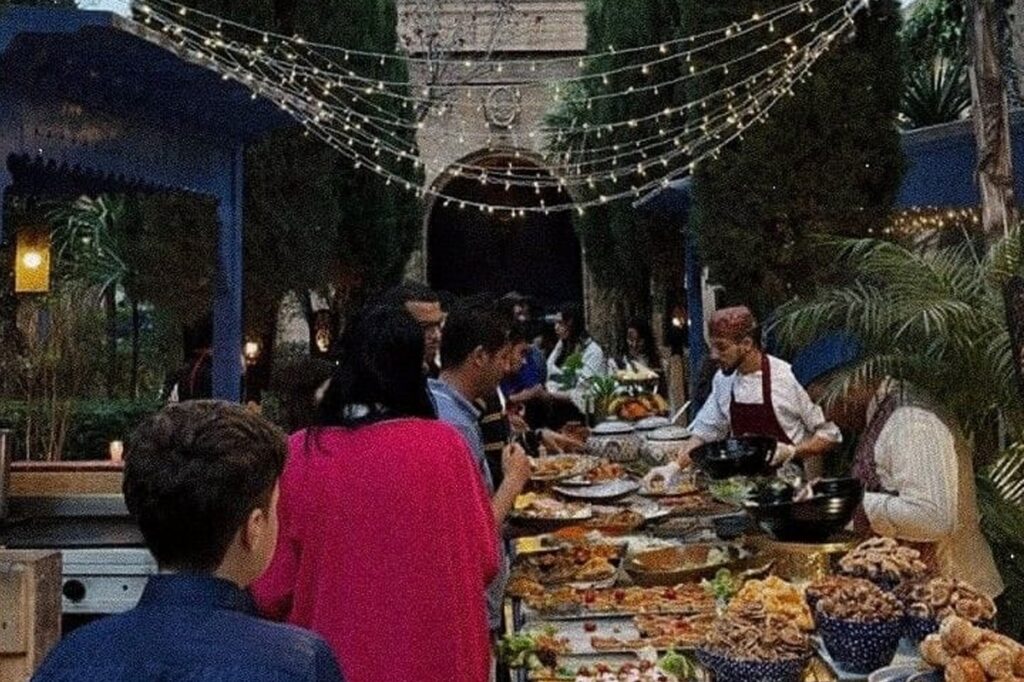
In the middle of a foreign city, a piece of Morocco quietly comes to life. Fez — The call to prayer doesn’t echo through the streets. No one rushes with fresh baguettes and “chebakia” to catch the last moments before Maghrib. This is what Ramadan feels like in a foreign country — quiet. The air doesn’t carry the scent of fried “briwat” or the sweetness of “sellou”. Yet, Moroccan expats still hold on. They hold on with hands, hearts, and memories. For many Moroccans living abroad, Ramadan starts with a video call. Mothers show their freshly shaped chebakia, perfectly golden, stacked high in large glass jars. Sisters argue over who makes the msemen better. Even through the screen, it feels like home, almost. In countries where fasting isn’t the norm, time drags slower. Work colleagues eat lunch at their desks, oblivious to the hunger twisting inside. But at home, every Moroccan expat builds their own little atmosphere. The kitchen turns into a miniature version of the family back home. Mint tea perfumes the air. The table, even if it’s tiny, holds more than it should, harira, dates, boiled eggs, msmen stuffed with khlii, and always, always chebakia. Shopping for ingredients becomes a mission. Some drive hours to find a halal butcher. Others search online for “smen” butter or authentic ras el hanout. When they finally find a store selling something close to Moroccan sellou, they smile like they’ve found gold. The first bite at ftour hits differently. It’s not just food. It’s a memory, a hug, a piece of the street they left behind. Between bites, they send voice notes. “Show me your table!” “Did you make briwat or just buy them?” “What time is Maghreb prayer there?” The connection never breaks, no matter how many borders stand in between. Some Moroccan expats gather with others, even if they only met once before. Ramadan does that. It makes strangers feel like family. They sit together, laugh over how their msemen turned out too thick, and share the sweetness of dates. Even in cities where no one knows what chebakia is, Moroccan expats keep the spirit alive. They hang small lanterns. They play nostalgic Ramadan songs. They turn their homes into a piece of Morocco, lit with warmth, love, and the quiet strength of a people who know how to hold on, even when they are far. Because Ramadan, for a Moroccan, doesn’t live in the streets or the souks. It lives in the heart, and the heart always finds a way back home. Read also: Tips for a Healthy Ftour During Ramadan
Moroccan Parent Logic: The Funny Rules We All Grew Up With
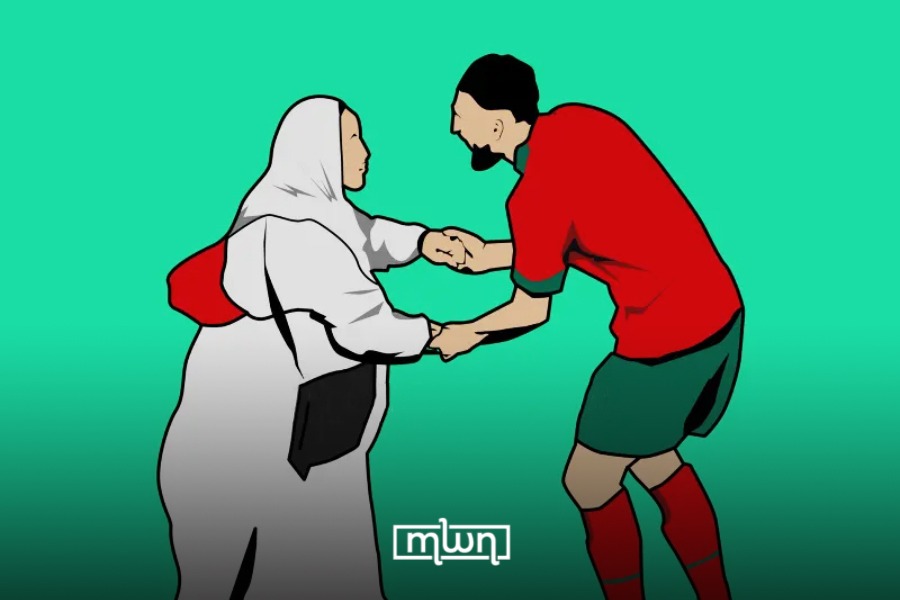
There’s a secret manual Moroccan parents follow – no one has seen it, but we’ve all lived it. Fez – If you grew up in a Moroccan home, you know our parents have their own kind of logic. It doesn’t always make sense, but somehow, it’s universal. No matter where you are in Morocco (or even if you live abroad), all Moroccan parents act the same. It’s like they got the same manual! Let’s break down some of their most famous phrases and why they are part of every Moroccan childhood. Turn off the light Day or night, it doesn’t matter. If you leave a room for two seconds with the lights on, your mom will act like you’re personally responsible for the electricity bill not only of your house but the whole country. She will also remind you that she is not working for the electricity bill. Bring me the thing next to the thing on top of the other thing Parents have a special way of giving instructions. No details. No descriptions. Just “Jibli hadak li fok hadak, hda hadak”. Somehow, you’re supposed to understand. And if you don’t find it? They will get up, walk straight to the spot, grab it in one second, and say, are you blind? If your friend jumps off a rooftop, will you too? You ask your parents for permission to do something because your friend is allowed to do it. Big mistake. The answer will always be, “If your friend jumps off a rooftop, will you too?” No explanation, no debate. Just a complete shutdown of your request. I didn’t raise you like this! You give your opinion in which slightly disagree with them. Now, you have disrespected the whole family. Your mom suddenly remembers how she sacrificed everything to raise you better. The drama is real. We’re leaving in 5 minutes Five minutes in Moroccan time does not mean five minutes. It means at least an hour. But don’t you dare sit down or change your clothes. If you do, you will get yelled at for not being ready. Do whatever you want Warning: this is a trap. This DOES NOT mean you can do whatever you want. If you believe it and actually do the thing, you are finished. I’m not yelling, I’m just talking. You can hear your mom from three rooms away while she talks to her sister on the phone, but she insists she is just talking. The whole street knows what’s happening, but she will not admit that she is yelling. Every Moroccan has lived these moments. Somehow, we all had the same childhood. Despite all of this, no matter how much we laugh about it now, deep down we know one thing: One day, we will say these exact things to our own kids. Read also: What’s on a Moroccan Ftour Table?
The Double Life of the Moroccan Girl: Who We Are vs. Who We Have to Be
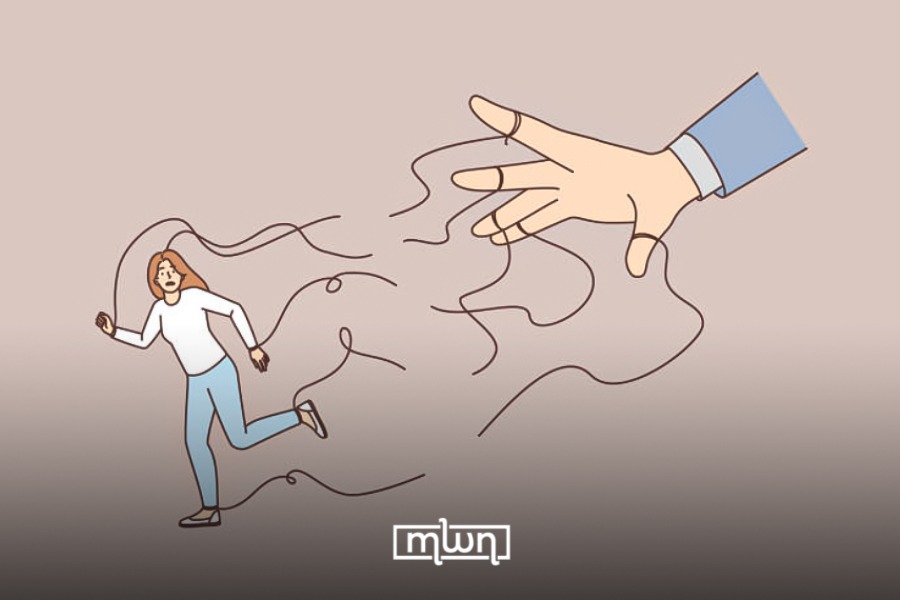
The lines between who we are and who we’re told to be blur every day, and the weight of this contradiction is unbearable. Fez – Moroccan girls often live with a constant weight on their shoulders. We are forced to balance two different identities, one for the world and one for ourselves. At home, we laugh freely, dream big, and express our personalities without holding back. But once we step outside, everything changes. We lower our voices, adjust our clothes, and become careful with our words and actions. Society watches closely, ready to judge, to shame, to remind us of the “proper” way to behave. But perfect for who? For the same people who break the rules behind closed doors? For the same men who preach respect but seek out what they claim to condemn? For the same women who judge us but defend their own when they break the same so-called rules? It’s a cruel game. They tell us to be pure, yet they give men the freedom to do whatever they want. They tell us to respect tradition, but they bend those traditions when it suits them. They say family honor depends on us, but where is their honor? Why does it never seem to depend on them? And if we dare to live authentically, we are labeled. If we speak up, we are “too much.” If we remain silent, we are “weak.” If we choose love, we are “shameless.” If we wait, we are “old.” No matter what we do, we lose. Every day, we watch as girls are forced to lie to survive. They pretend to be the “good” girl to avoid being disowned. They hide their struggles because of what others might say. They suffocate under a set of rules that even the rule-makers don’t follow. The question is: When will it stop? When will Moroccan girls be allowed to live freely, without the constant fear of judgment? When will society confront its hypocrisy? When will we be allowed to just be? It’s time for a change, not only in Morocco, but girls all over the world who face these pressures. It’s time to call out these double standards. It’s time to refuse to play this game anymore. Moroccan girls deserve to live without pretending. They deserve to be themselves, everywhere they go. Read also: The Truth About Love: Why Waiting for a Prince Won’t Make You a Princess