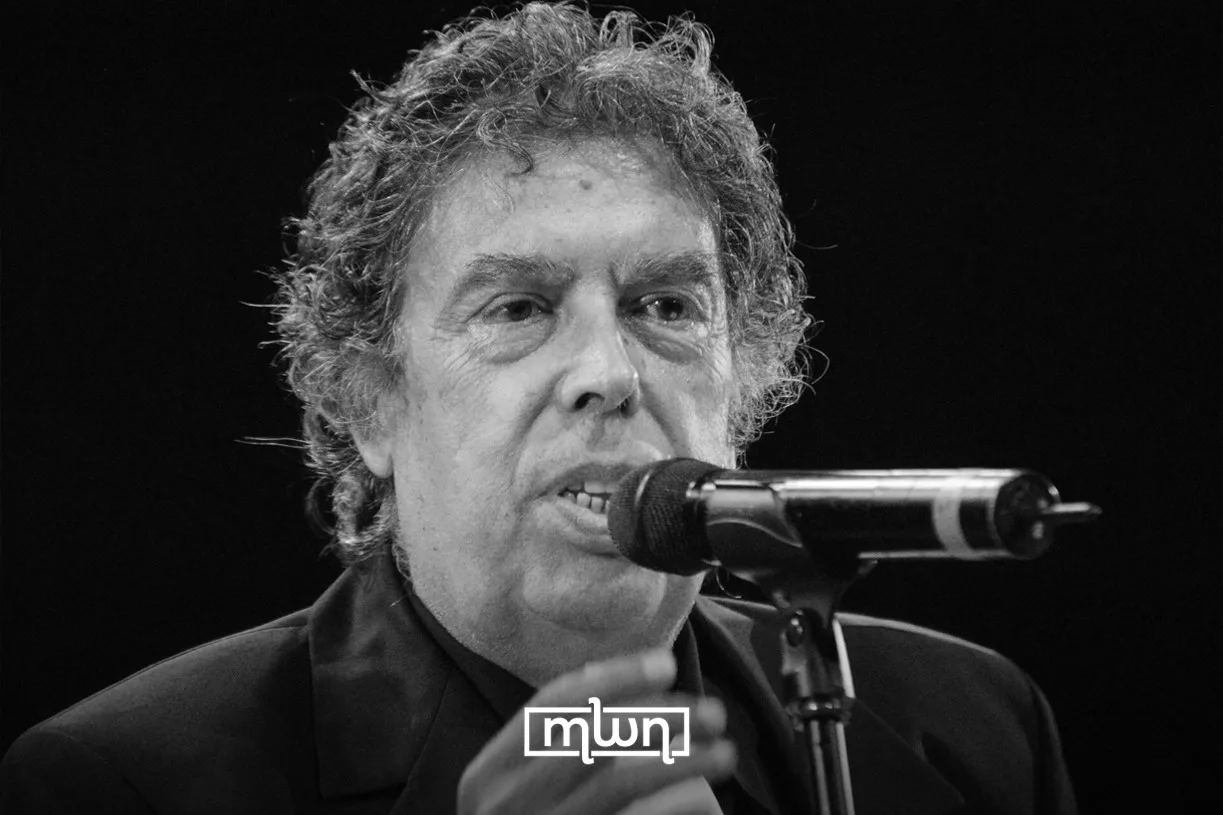
Fez — Moroccan music icon Abdelwahab Doukkali has reportedly died at the age of 85 after a period of illness, ending a career that helped define modern Moroccan song and carry it across the Arab world.
Reports today said the veteran singer, composer, and performer passed away following a deterioration in his health. His reported death came after hours of conflicting updates, as some sources earlier denied rumors of his passing and said he was still receiving medical care.
Moroccan actor Rachid El Ouali later said he had received confirmation of the news from a source close to Doukkali’s family, according to reports. The update quickly spread across Moroccan social media, where artists and fans shared messages of grief and remembrance.
State-TV channel SNRT-News also confirmed the artist died today in a clinic following a surgery.
A national voice falls silent
Doukkali was widely regarded as one of the pillars of Moroccan music. His death marks a major loss for a cultural scene that has long considered him among the artists who shaped the country’s modern musical identity.
Born in Fez in 1941, Doukkali began his artistic path at a young age before moving through radio, theater, and music. His career later took him to Casablanca and Cairo, helping him reach audiences beyond Morocco and build a wider Arab following.
His voice became associated with some of Morocco’s most memorable songs, including “Marsoul El Hob,” “Kan Ya Makan,” and “Ma Ana Ila Bashar.” These works gave him a lasting place in the emotional memory of Moroccan listeners.
Grief across Morocco’s artistic scene
News of Doukkali’s reported passing triggered a wave of sadness among Moroccans who grew up with his music. For many, he represented not only a singer from another generation, but a symbol of refinement, artistic discipline, and national pride.
His career crossed several decades, during which he remained linked to the golden age of Moroccan song. He was known for combining Moroccan musical identity with broader Arab influences, giving his work a reach that extended beyond the country’s borders.
Doukkali’s reported death also revives memories of a generation of Moroccan artists whose work shaped the sound of post-independence Morocco. Their songs carried themes of love, longing, dignity, and belonging, leaving a mark on both public culture and private memory.