Fez — Japan is preparing to open the world’s first airport carrying the “Pokémon” name, transforming Noto Satoyama Airport in Ishikawa Prefecture into “Noto Satoyama Pokémon With You Airport” from July 7.
The themed airport will operate under the special name until September 30, 2029, as part of a wider effort to revive tourism in the Noto Peninsula after the region was hit by a devastating earthquake on January 1, 2024, followed by heavy rains later that year.
The initiative is a collaboration between Ishikawa Prefecture and the Pokémon With You Foundation, a charity-linked project that uses the globally popular franchise to support communities and bring attention to areas in need of recovery.
Pikachu takes over the terminal
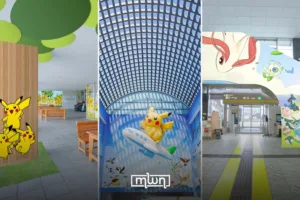
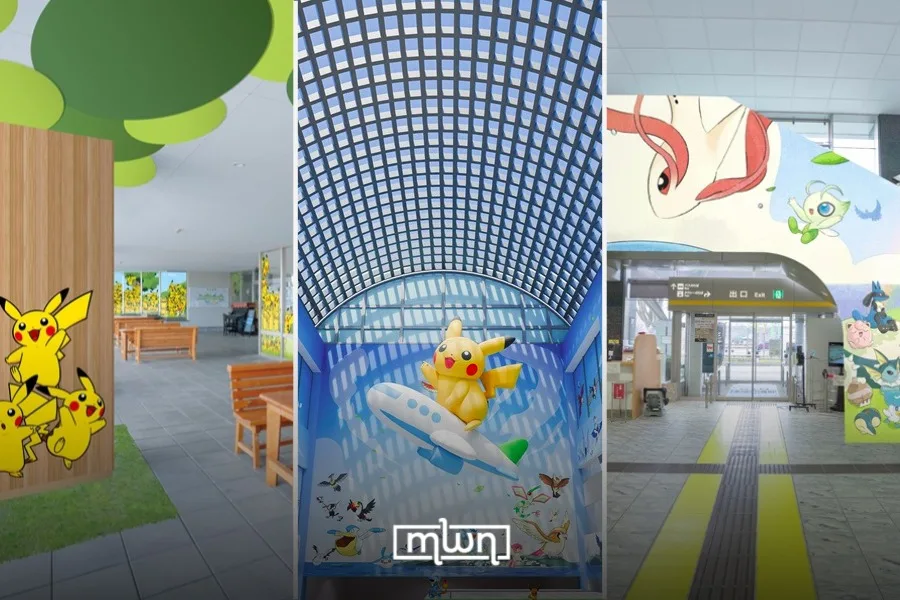
The redesigned airport will feature Pokémon-themed decorations across its four-story building, including a large Pikachu and airplane balloon installation in the second-floor atrium. The airport logo also draws on Poké Balls, Pikachu, the shape of the Noto Peninsula, and smiling faces meant to represent locals and travelers.
Visitors can also expect Pokémon characters throughout the terminal, exclusive merchandise, themed restaurant and shop experiences, and tourism links designed to encourage travelers to explore the wider Noto area.
The project adds another layer to Japan’s growing use of pop culture as a tourism tool. Pokémon has already become a major part of the country’s travel branding, from character-themed manhole covers to regional collaborations and the new “PokéPark Kanto” attraction near Tokyo.
Recovery through fandom
For Ishikawa, the airport is not only a playful branding exercise. It is also a recovery strategy.
Noto Satoyama Airport is a key gateway to the peninsula, and officials are hoping the Pokémon makeover can draw families, fans, and international visitors back to a region still rebuilding from natural disasters.
The airport’s reopening as a themed destination gives the recovery effort a softer face: not only damaged roads, closed businesses, and reconstruction timelines, but also a reason for people to return, spend money, and reconnect with the area.
In recent years, Japan has increasingly turned trains, airports, parks, and local landmarks into character-driven destinations. The model works because it gives ordinary travel infrastructure an emotional hook, especially for fans who are willing to plan entire trips around a beloved franchise.