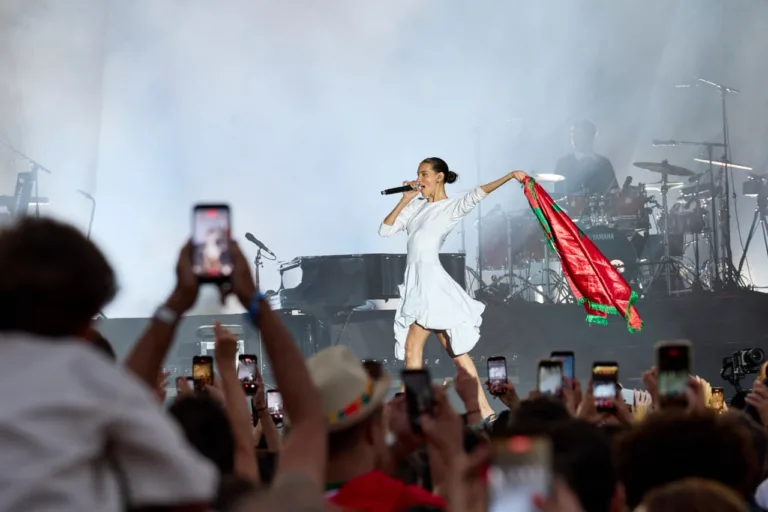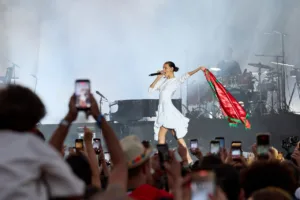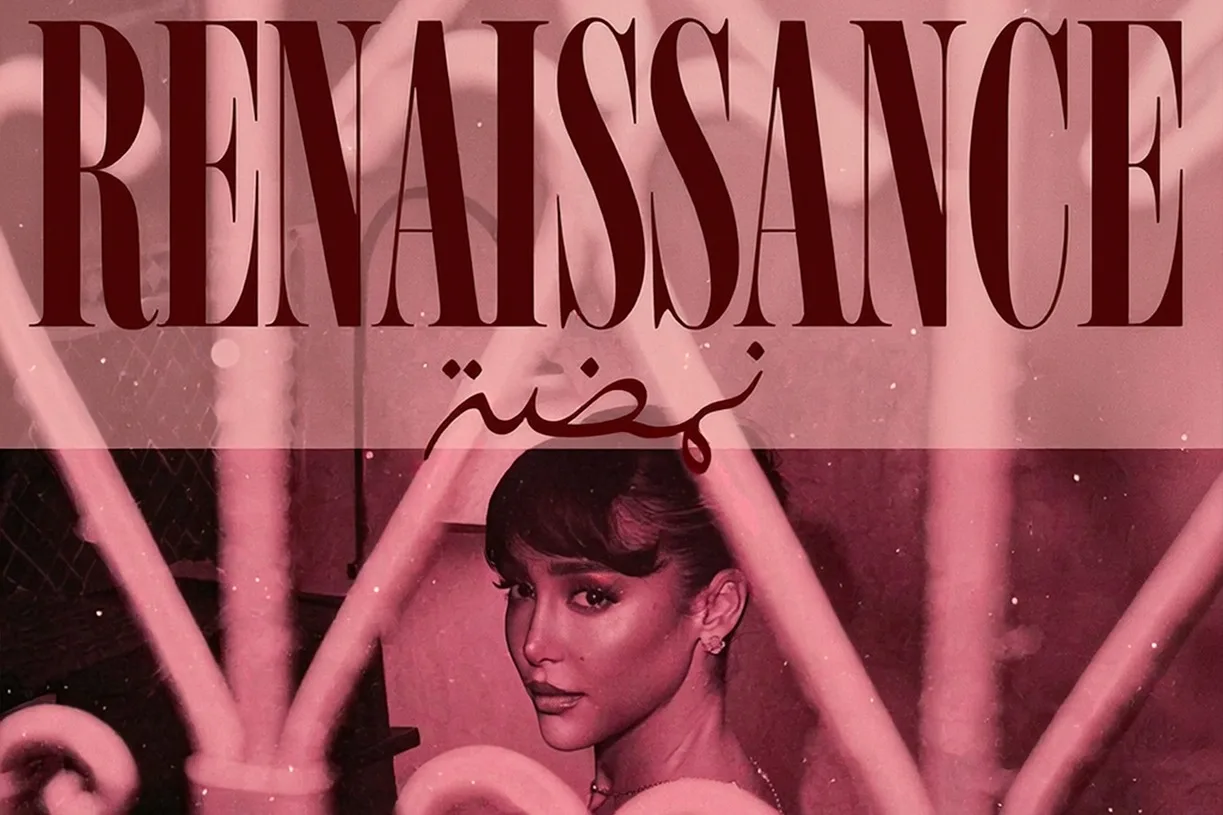
Casablanca – Today, Moroccan singer Bassma Boussel has just released “Renaissance,” stepping into a more personal and heartfelt era.
But this moment goes beyond music alone. The track carries deeply personal emotions she has chosen to finally share with her audience. Boussel sings in French for the first time. The choice is not only artistic in direction, but also profoundly personal in meaning.
She describes the release as a major turning point, explaining that it allowed her to embrace a long-held dream. Singing in French was something Boussel had carried quietly for years, a “little dream” she kept close to herself.
After years of performing mainly in Arabic, which she felt was often expected of her, Boussel says this shift reflects a conscious decision to finally give space to a desire that had long been set aside.
She also shared that this moment helped her reconnect with herself through music in a more sincere and authentic way.
“I’m doing what I love, doing it sincerely, and for the first time in a long while, I feel truly aligned with who I am,” Boussel said, describing a deep sense of self-connection and artistic freedom.
The song was released earlier today, while its music video has only just premiered on the artist’s YouTube channel.
Moroccan elegance at the heart of the clip
Filmed at Riad Jona in the heart of Marrakech, the visuals weave Moroccan culture into a contemporary aesthetic. Beyond the setting’s architectural and cultural richness, Boussel also appears in a series of carefully styled looks inspired by Moroccan tradition.
A minimalist white caftan with a modern cut, a floral design with red, pink, and soft green tones all define the visual language of the video. While the aesthetic remains rooted in Moroccan elegance, the clip also introduces contrasting looks, including a sleek black dress that adds a more contemporary, refined touch.
Beyond the aesthetic details, audiences have responded strongly to her openness, appreciating the sincerity behind the project. This sentiment is echoed across her social media, where her emotion, joy, and sense of release are visibly reflected in how she speaks about the song.
Boussel describes this moment as a “rebirth,” echoing the title of the song itself, “Renaissance.”