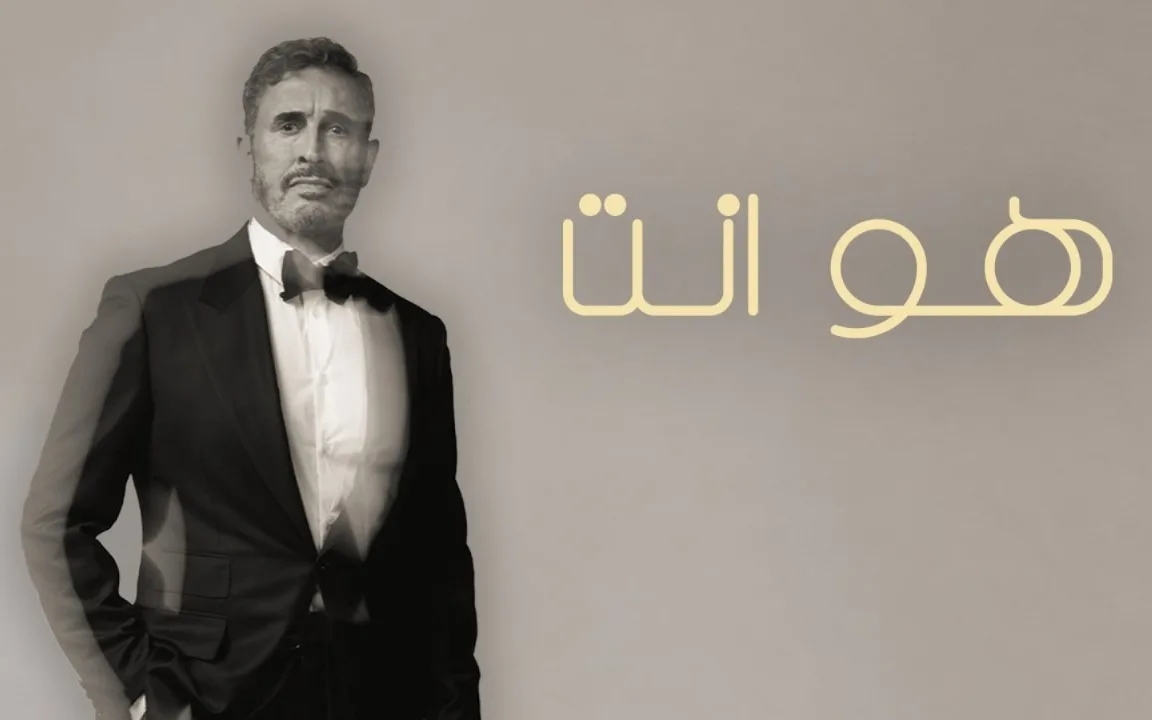
Casablanca – Iraqi superstar Kadim Al Sahir has returned with a new single, “Howa Enta,” expanding his repertoire of songs performed in the Iraqi dialect.
Penned by Aziz El Rassam and composed by Al Sahir himself, the release once again showcases the signature romantic style that has defined the artist’s decades-long career.
As expected from the artist often referred to as the “Caesar of Arabic Music,” the song was warmly received by listeners, who appreciated its heartfelt lyrics, rich melodies, and the emotional depth Al Sahir brings to every performance.
A Love that refuses to fade
Translated as “It’s You,” “Howa Enta” carries the bittersweet tone of someone addressing a former lover who unexpectedly returned after leaving behind heartbreak.
Rather than celebrating the reunion, the song unfolds as a quiet conversation filled with longing, unanswered questions, and emotional vulnerability.
The romantic atmosphere remains, but this time it is wrapped in sorrow and gentle reproach, giving the track a more melancholic edge.
A legacy that continues to grow
The release comes just one month after “Ella Ajeebak,” which has already surpassed 3.2 million views on YouTube.
With a career spanning decades, Al Sahir continues to prove why his music remains timeless. His ability to blend poetic lyrics with expressive compositions has allowed his songs to resonate across generations while preserving a distinct artistic identity.
One of the defining elements of his legacy is his long-standing collaboration with the late Syrian poet Nizar Qabbani, whose poems Al Sahir transformed into some of the Arab world’s most celebrated songs, including “Zidini Eashqan,” “Fi Madrasat Al Hob,” and “Ahibini Bala Uqad.”
Returning to his Iraqi roots
While many of Al Sahir’s best-known works are performed in classical Arabic, “Howa Enta” marks another addition to his growing collection of Iraqi dialect songs.
The track joins fan favorites such as “Ha Habibi,” “Wein Akhdak,” and “Mata,” further highlighting the artist’s ability to move effortlessly between literary Arabic and the warmth of his native dialect without losing the emotional intensity that has become his trademark.
Read also: Why We Love Kadim Al Sahir