Rabat – Morocco’s music scene has quietly turned into one of the most dynamic in North Africa, with a new generation of DJs, producers, and performers pulling the country’s sound onto festival stages and stadium speakers alike.
From established names who helped build Morocco’s contemporary electronic scene to younger artists bringing their own sound to local and international audiences, these five DJs offer a glimpse into the diversity of the country’s nightlife.
Oddity: one of the first on Morocco’s electronic stage
Long before Morocco’s electronic music scene had the festival lineups and international bookings it enjoys today.
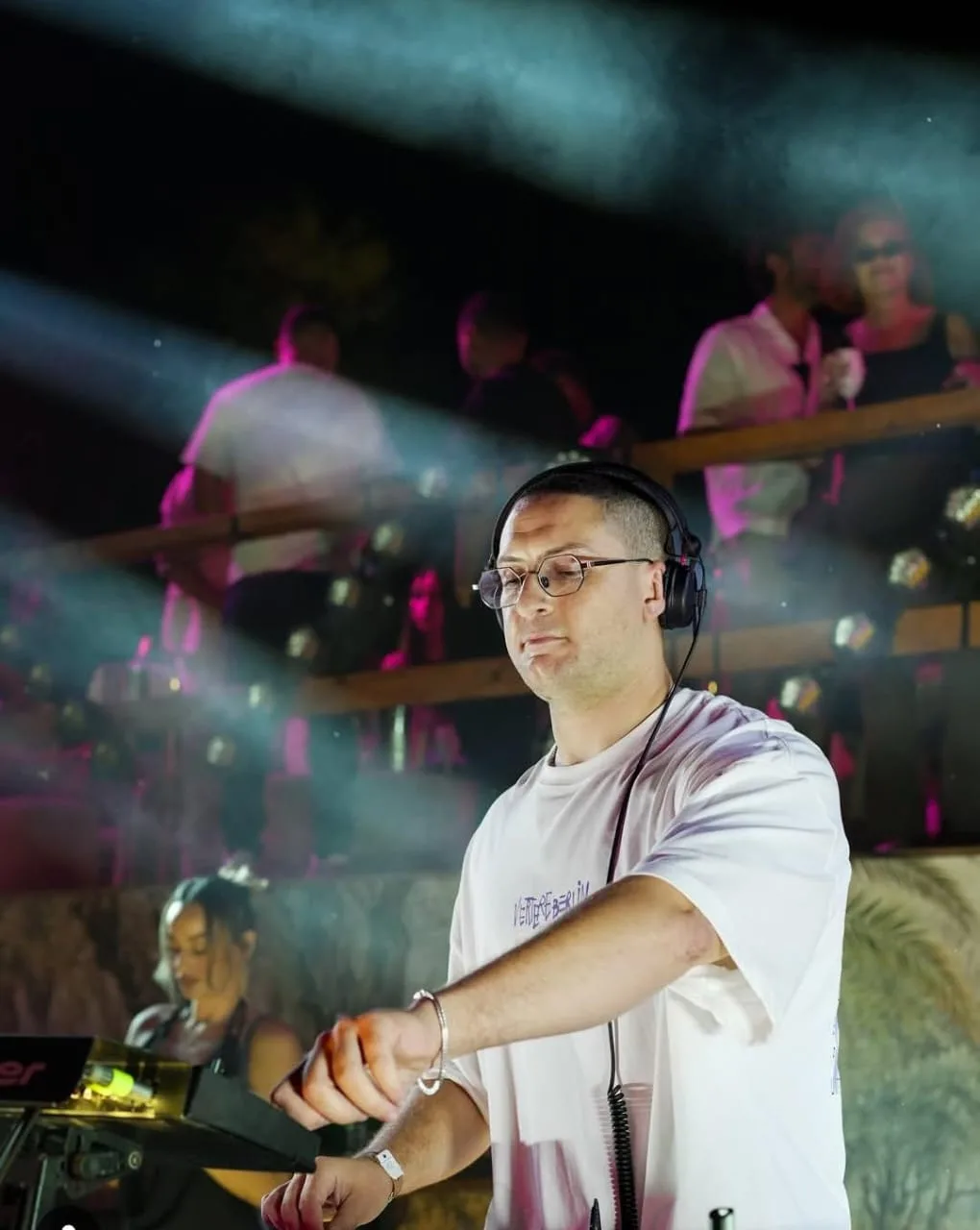
Casablanca-based DJ and producer Haytem Guerbali was already behind the decks, making him one of the earliest performers to help put the country’s electronic sound on the map.
Oddity’s style fuses deep house with techno, a combination that has since become something of a signature.
Over the years, Oddity has built a reputation for performances that feel both inventive and high-energy, taking the stage at well-known venues and events including the Sunshine Festival.
As one of the scene’s pioneers, his continued output has helped shape the direction of Moroccan electronic music for the artists who came up behind him.
Kassabi: from the capital to California
Kassabi’s story is one of geography as much as genre. Born in Rabat and now based in California, he blends tech house, deep, tech, and minimal sounds into sets built around high-energy storytelling.
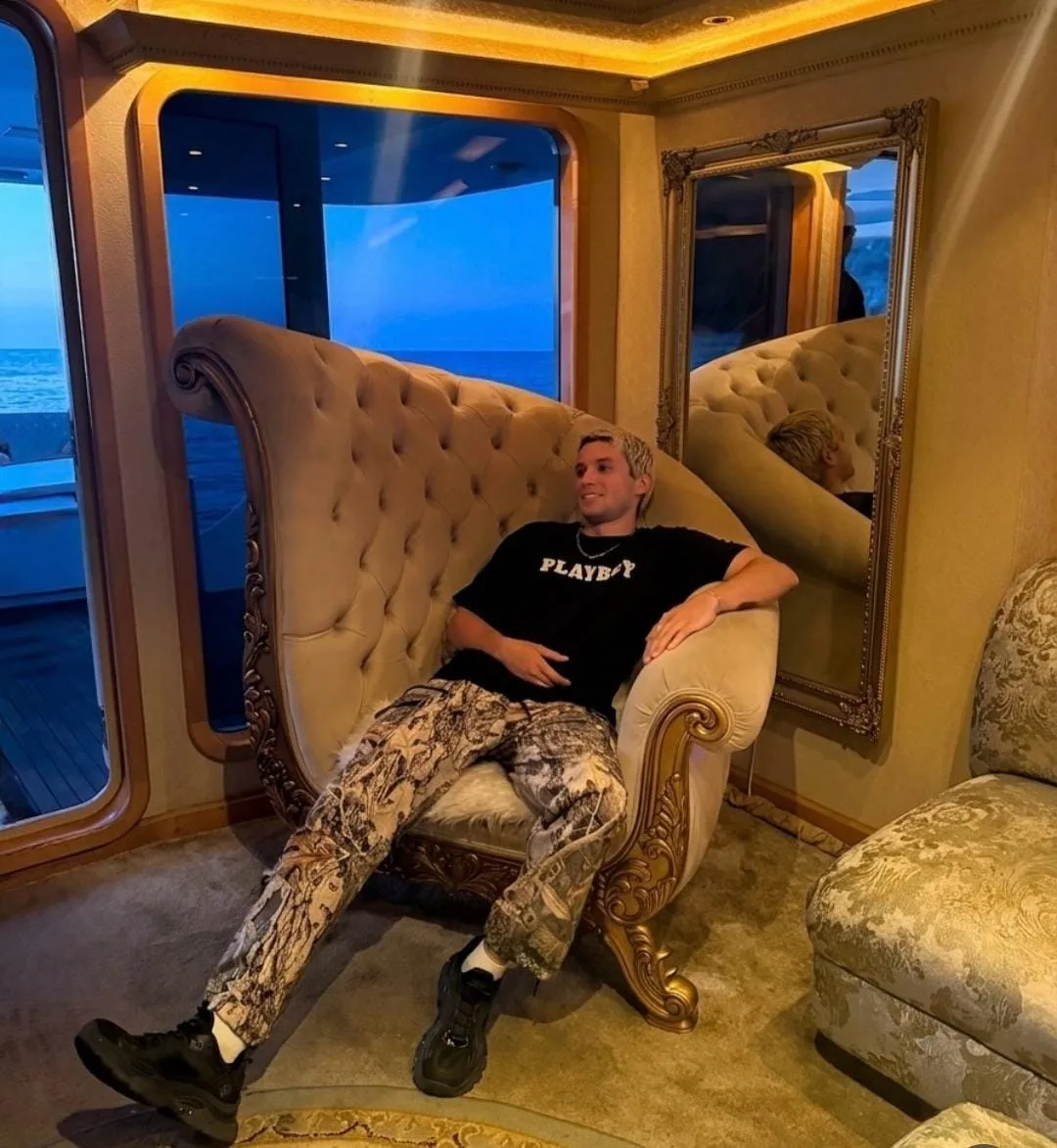
His sound draws on North African rhythms layered with modern electronic production, moving from deep basslines to rolling percussion and tightly controlled minimal pressure.
Since relocating to pursue his career in the United States, Kassabi has shared stages with major names in the industry and caught the attention of a Los Angeles-based label, carving out a signature sound that carries his Moroccan roots into a new market.
Ali Balla: the voice behind Morocco’s biggest night
Ali Balla has built his sound around a meeting point between electronic music and his Moroccan and Arabic influences.
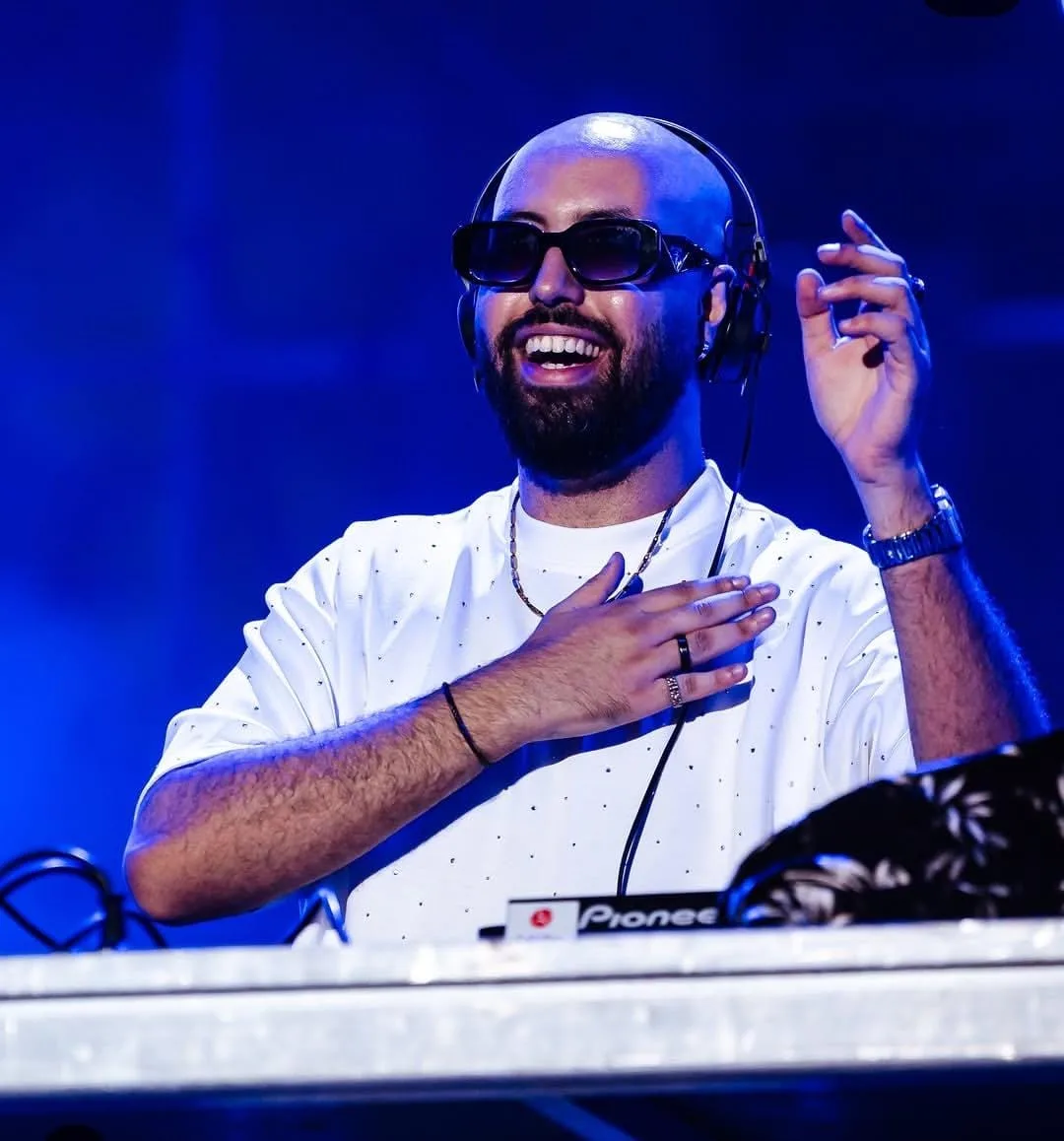
A DJ and producer from Rabat, Balla has developed a catalogue that includes collaborations, original productions and remixes.
His music often combines electronic rhythms with Arabic and Middle Eastern melodics, creating a sound that feels both contemporary and rooted in the region.
His work has also extended beyond club settings. During the 2025 Africa Cup of Nations hosted in Morocco, Balla served as the official stadium DJ at Prince Moulay Abdellah Stadium, helping shape the atmosphere around Morocco’s matches.
That role placed his work at the intersection of music and one of Morocco’s biggest cultural moments, showing how the role of a DJ can extend far beyond the traditional nightclub setting.
Balla has also continued releasing music, with his 2026 single “Lie For Free” adding to a catalogue that includes tracks such as “Ya Sidi,” “Rih” and “Swipe.”
Omar Kyle: Meknes’ creative pulse
Meknes has always had a creative undercurrent, a city often overshadowed by Morocco’s larger cultural capitals, yet steadily producing artists who carry its identity into new spaces.
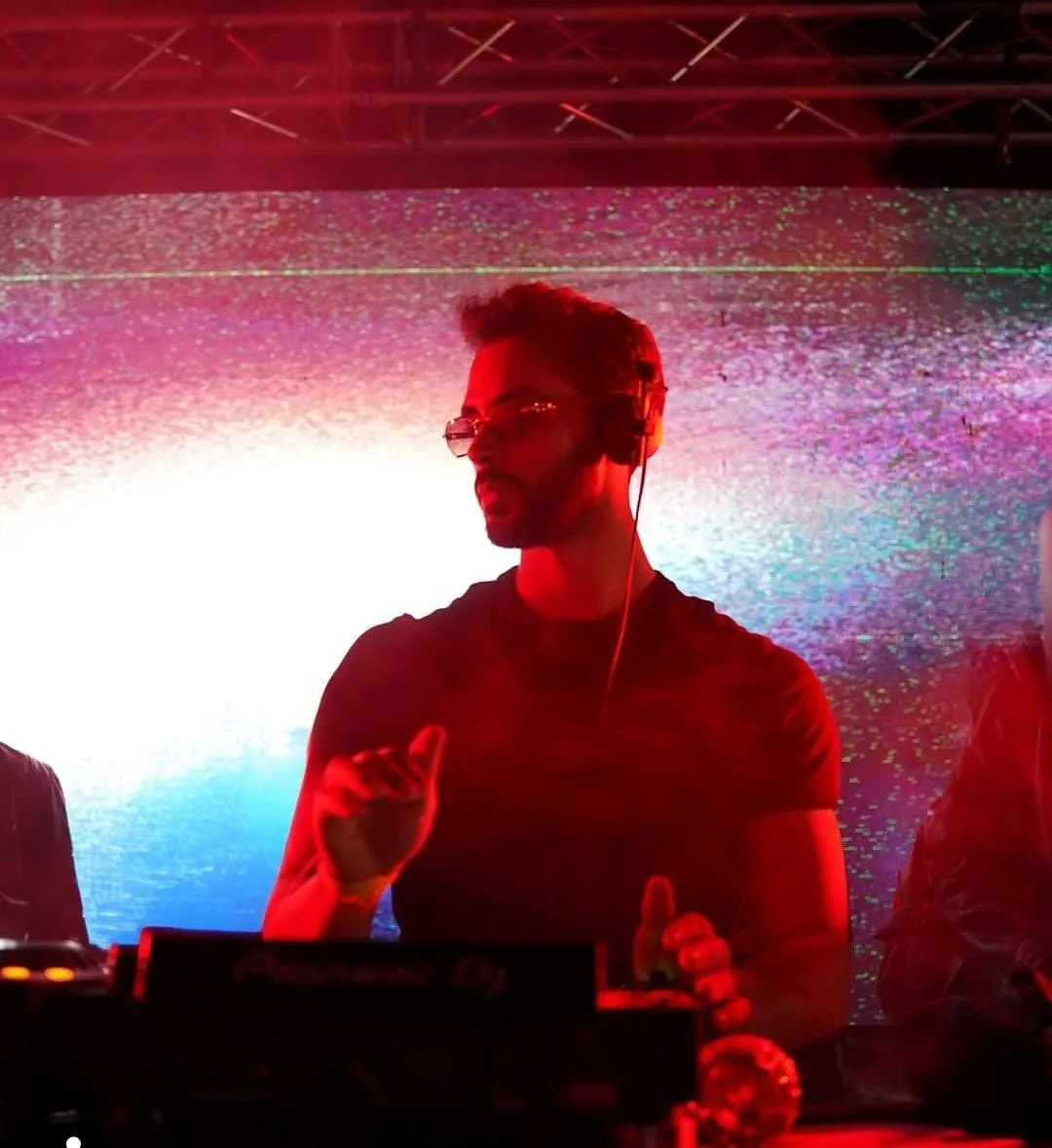
Omar Kyle is part of that lineage, representing a newer wave of talent working to bring the city’s sound to wider audiences.
His presence points to a broader trend across Morocco’s mid-sized cities, where local scenes are increasingly finding rhythm alongside the country’s more established music hubs.
Ziad L3ajib: bringing Darija into the electronic mix
The evolution of Moroccan electronic music is not only about adopting international sounds. It is also about finding ways to reinterpret music that already belongs to Morocco.
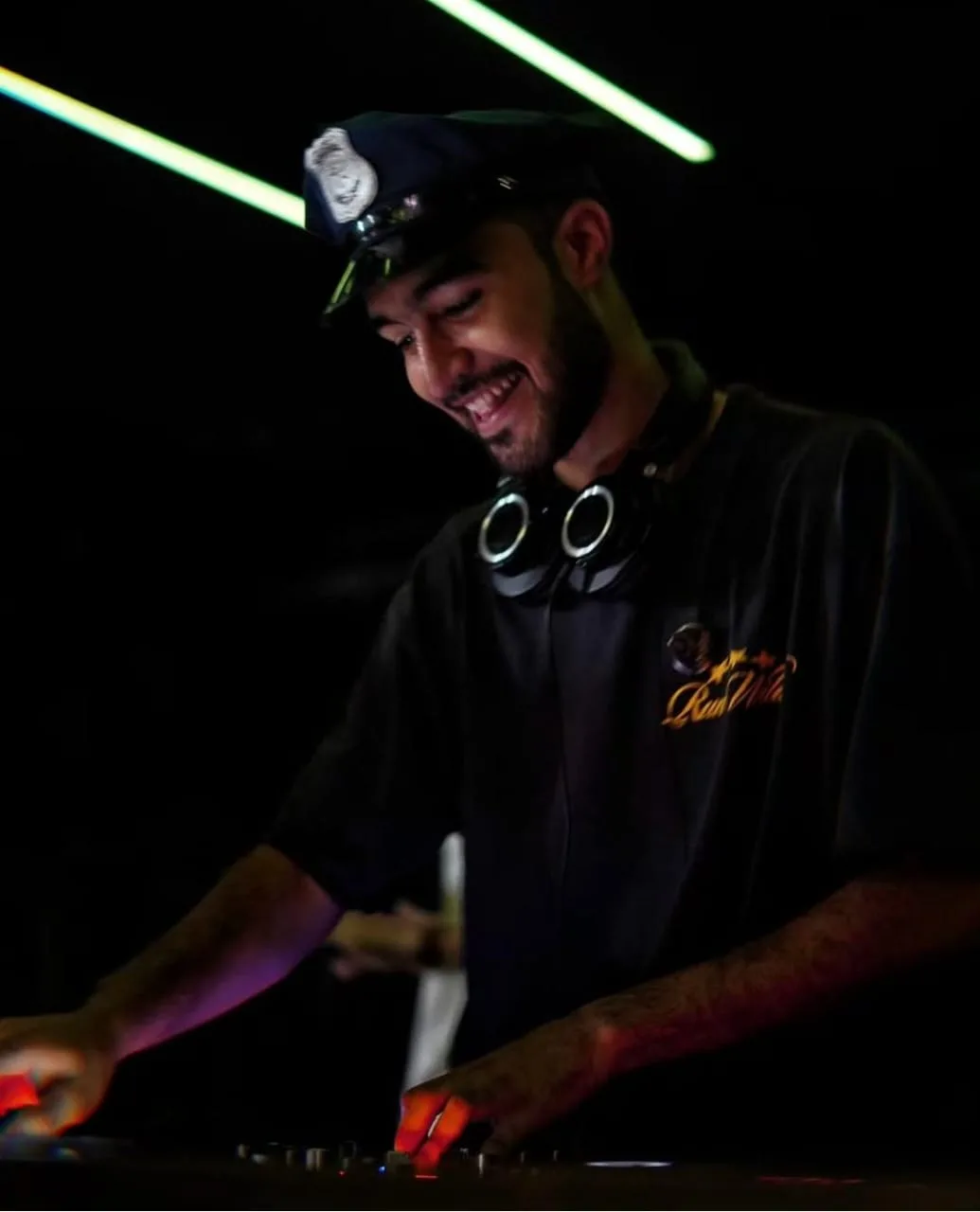
Ziad L3ajib represents that approach through edits and electronic reinterpretations that connect Moroccan hip-hop and contemporary sounds with dance music.
One example is his Afro Tech edit of Stormy’s “Maradona,” released in 2025. The track demonstrates how familiar Moroccan sounds can be transformed through electronic production without completely losing their original identity.
That kind of crossover is increasingly relevant to Morocco’s electronic scene, where DJs are not simply selecting international tracks but experimenting with local references, rhythms and artists.
Together, these five artists sketch a wider picture of Morocco’s evolving sound,pioneers who opened the door, artists who took that sound abroad, one who turned a national stage into a personal signature, and a rising wave carrying local scenes into the spotlight.