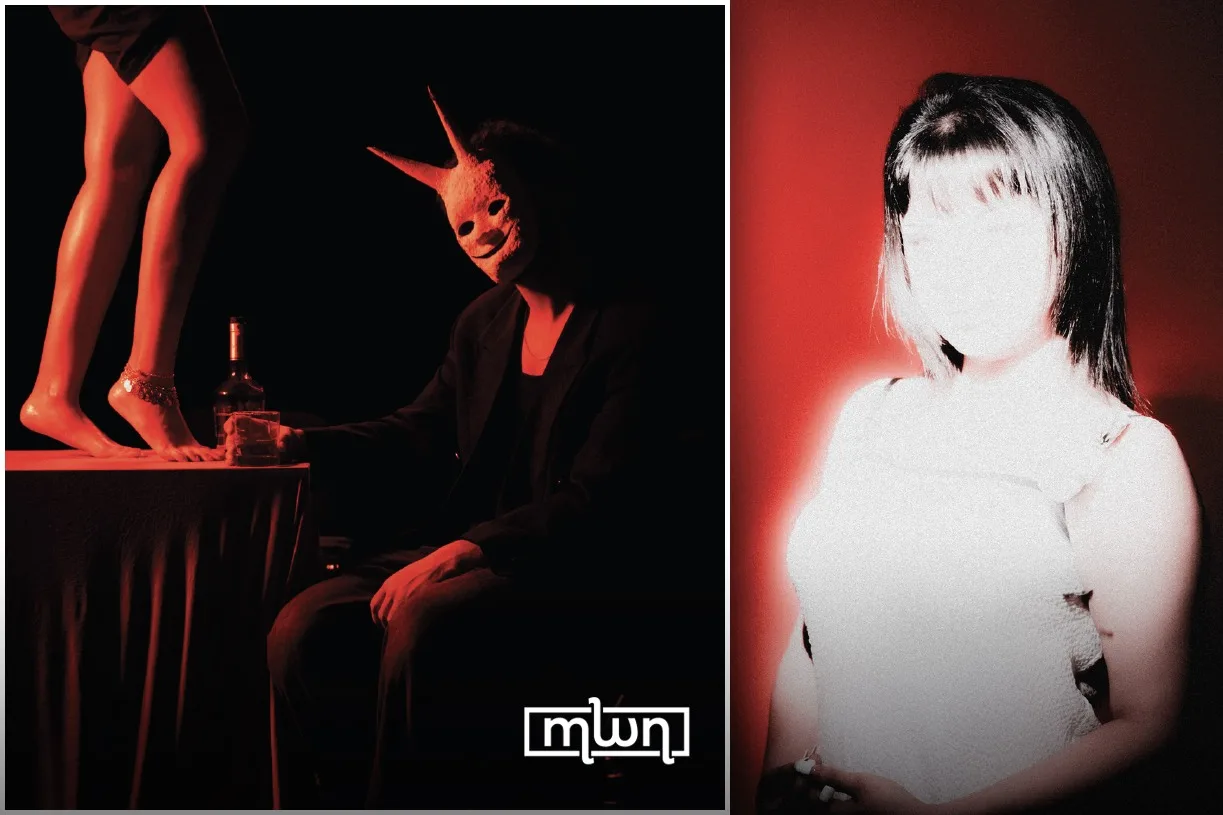
Fez — Moroccan artist NAJM has released his debut album “Fallen Angel,” following an intimate launch event at Rabat’s Cinéma La Renaissance where he presented the 13-track project to cultural figures, music professionals, and loyal fans.
The album is now available on Spotify.
The evening was designed as more than a listening session. According to the album’s press material, the event opened with an exhibition by photographer Hamza Rochdi, whose visuals were inspired by each track and displayed alongside the album’s lyrics in a booklet-like format.
NAJM then performed five songs on stage before inviting the audience to join him for a collective listening experience, blurring the line between performer and listeners. The night closed with “Ghalat,” featuring Moroccan rapper El Grande Toto, who attended the event in support of NAJM and the new generation of artists.
A debut built around contradiction
“Fallen Angel” presents success as a destabilizing force. NAJM describes the album as an intimate and chaotic process, but also one that was carefully calculated and emotionally costly.
He writes that the 13 tracks carry his effort, tears, and soul, framing the record as both the end of a chapter and the beginning of another.
That tension shapes the album’s central metaphor. The “fallen angel” figure is not simply ruined or defeated. He is pulled between elevation and loss, ambition and punishment, visibility and isolation.
Across the lyrics, NAJM repeatedly returns to images of wings, fire, guilt, and spiritual struggle, using them to explore what success can take from a person.
On “20,” he captures the emotional cost of early ambition, moving from youth to fear of losing everything. The recurring line “it gets lonely at the top” turns a familiar success phrase into a confession rather than a boast. The track links fame with absence, including missing home, family, and ordinary friendship.
Lyrics between confession and performance
The album’s writing moves fluidly between Darija, French, and English, a linguistic mix that reflects the sound of many young Moroccan artists today. Rather than using multilingualism as decoration, NAJM uses it to shift emotional registers: English often carries pop-like hooks, French gives shape to reflection, and Darija grounds the songs in lived intimacy.
In “Fallen,” the opening track, heartbreak and self-accusation dominate the mood. The lyrics move through betrayal, guilt, and the memory of emotional wounds, while the image of the angel alone above the earth gives the song its dramatic frame.
On “Azazel” and “Nar,” the religious and infernal imagery becomes sharper. NAJM invokes temptation, sin, fire, and pleas for forgiveness, creating a darker spiritual vocabulary around ambition. These references do not turn the album into a moral lesson. Instead, they show an artist trying to understand the personal damage behind public momentum.
A personal project with a wider pulse
Sonically, the project moves between rap, melodic passages, and raï-influenced textures, according to the press release. That balance allows NAJM to alternate between introspection and more collective, rhythmic moments, keeping the album personal without closing it off from listeners.
“Fallen Angel” arrives as Moroccan rap continues to expand beyond street narratives into more psychological and cinematic territory.
NAJM’s debut positions him within that shift, offering a project where vulnerability, ambition, and performance exist in constant tension.