Fez — Rabat is set to host the first edition of the Rabat International Dance Festival, known as FIDR, from May 19 to 24 at the National Higher Institute of Music and Choreographic Arts, a new venue dedicated to artistic training in the capital.
The festival was initiated by Moroccan choreographer, dancer, and “Compagnie Hna-ya” director Said El Haddaji, who has been developing a body of work rooted in contemporary dance, social observation, and artistic transmission. The opening night, scheduled for Tuesday, May 19, will feature his piece “Pas le temps pour le temps.”
A new platform for contemporary dance
FIDR arrives at a symbolic moment for Morocco’s dance scene. The event’s first edition is taking place at INSMAC, which welcomed its first cohort during the 2025-2026 academic year. The Ministry of Youth, Culture, and Communication presented the institute as Morocco’s first university-level institution of its kind, focused on academic training and research in music and choreographic arts.
Located in central Rabat near the Mohammed V National Theater, the institute covers more than 9,000 square meters and was created as part of a broader strategy to strengthen artistic education and support Morocco’s cultural and creative industries.
For FIDR, that setting matters. The festival is not only using a new building; it is helping define what the space can become. By opening its stage to Moroccan and international choreographers, the event positions INSMAC as a meeting point between training, creation, and public performance.
International voices on the Rabat stage
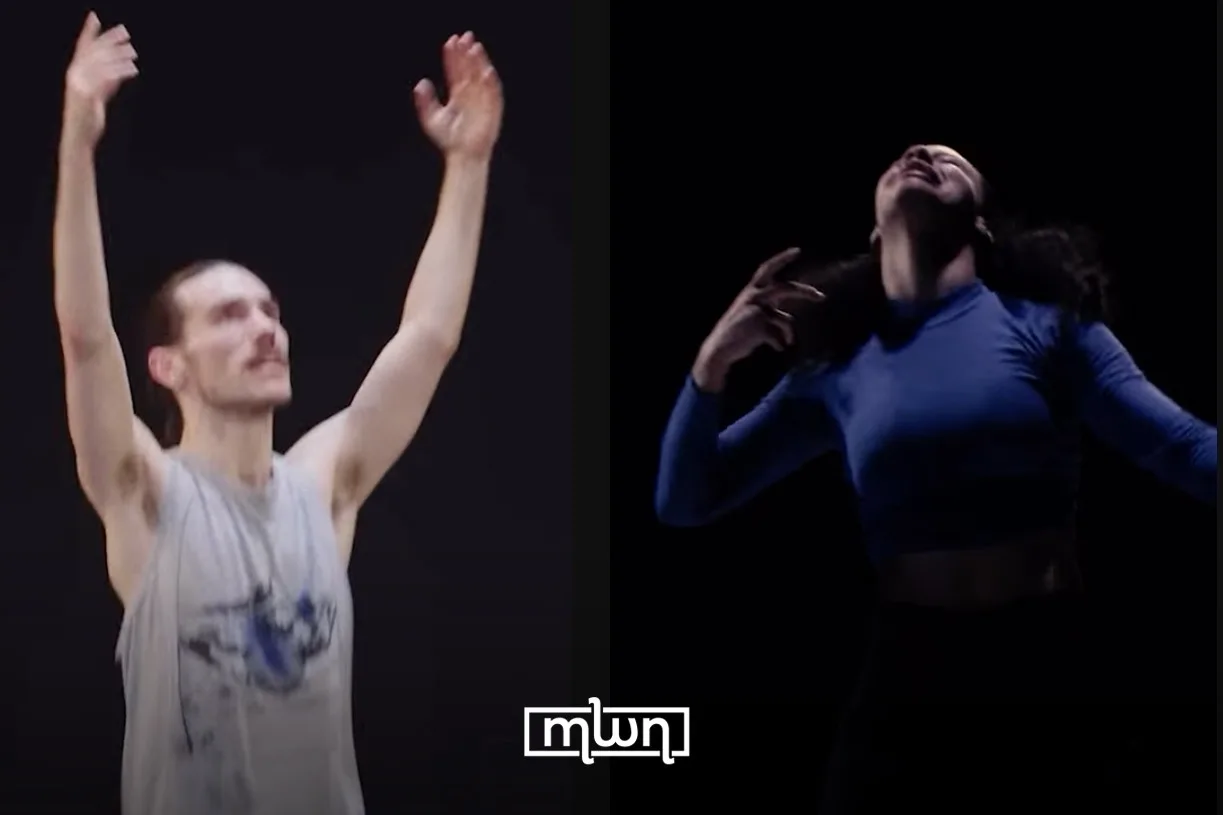
The first edition’s program brings together major figures in contemporary dance, including Serge Aimé Coulibaly, whose work connects Burkina Faso and Belgium, Tunisian choreographer Selim Ben Safia, Canadian artist Manuel Roque, and Morocco’s Said El Haddaji.
The lineup suggests that FIDR wants to begin as more than a local showcase. It is presenting Rabat as a place where Moroccan dance can enter direct conversation with African, Arab, European, and North American choreographic practices.
That international dimension reflects the nature of contemporary dance itself, a field often built through residencies, cross-border collaborations, and bodies moving between languages, cities, and disciplines.