Fez — “Backrooms” has become one of the most talked-about horror films of the year, not only because it is scary, but because it feels like the internet finally crawled onto the big screen.
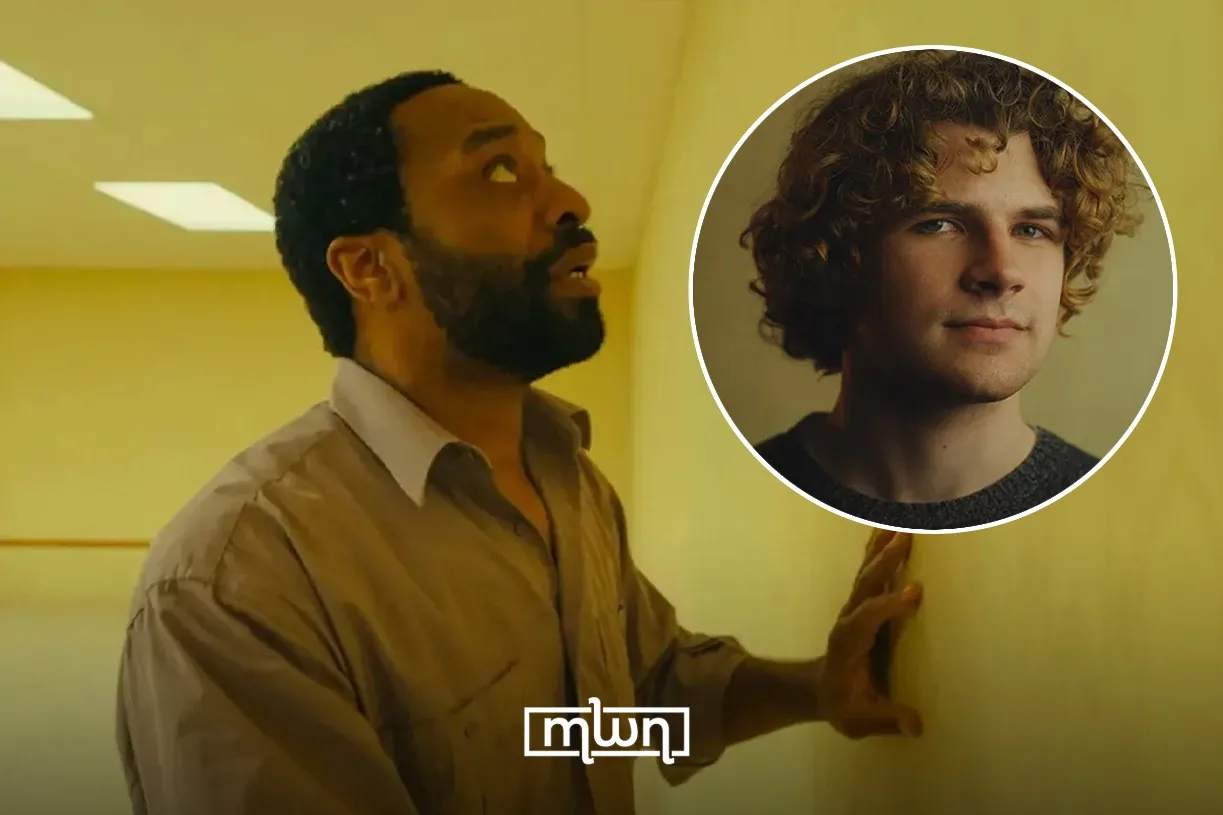
The A24 film, released in the United States on May 29, is directed by Kane Parsons, the young creator behind the viral “Backrooms” YouTube series.
A24 lists the film as directed by Parsons and written by Will Soodik, with Chiwetel Ejiofor, Renate Reinsve, Mark Duplass, Finn Bennett, and Lukita Maxwell among the cast.
From 4chan nightmare to A24 film
The story did not begin in Hollywood. “The Backrooms” started as a 2019 internet creepypasta built around a grainy image of empty yellow rooms, fluorescent lights, and a space that looked familiar but deeply wrong.
The idea was simple and terrifying: what if someone accidentally slipped out of reality and landed inside an endless maze of dead office spaces, damp carpets, buzzing lights, and things that should not be there?
That basic fear became a shared online myth. Users added “levels,” monsters, rules, fake research documents, and survival lore. It became less like one story and more like a digital haunted house that thousands of people helped build.
Why Kane Parsons changed everything
Parsons, known online as Kane Pixels, gave the myth a cinematic shape in 2022 through his YouTube series. His version used analog horror, fake archival footage, corporate experiments, and quiet dread instead of cheap jump scares.
That is what made the project special. Parsons understood that “Backrooms” was not only about monsters. It was about being lost in a place that looks almost normal.
The horror comes from recognition. The rooms resemble offices, basements, malls, schools, and hotel corridors. They feel like places everyone has seen, but emptied of people and meaning.
Why the movie is gaining so much attention
“Backrooms” is gaining attention because it represents a new route into Hollywood. It is not a sequel to an old studio franchise. It is not based on a comic book or a best-selling novel. It comes from internet folklore, YouTube filmmaking, and Gen Z horror culture.
That matters. The film’s success shows how online audiences can now create their own mythology before Hollywood arrives. The Guardian reported that “Backrooms” opened at No. 1 in North America and became a major A24 debut, placing Parsons at the center of a wider conversation about young digital-native filmmakers.
The attention also comes from the film’s mood. “Backrooms” taps into what people call liminal-space horror: the fear of empty places that should be temporary, ordinary, or safe, but suddenly feel endless.
Wallpaper magazine described the film as part of a broader fascination with unsettling architecture, abandoned public spaces, and modern alienation.