Rabat – In most of the world, “custom-made” is a phrase reserved for the wealthy. A tailored suit on a red carpet or a couture gown built around a single body signify status precisely because only a few people can afford them.
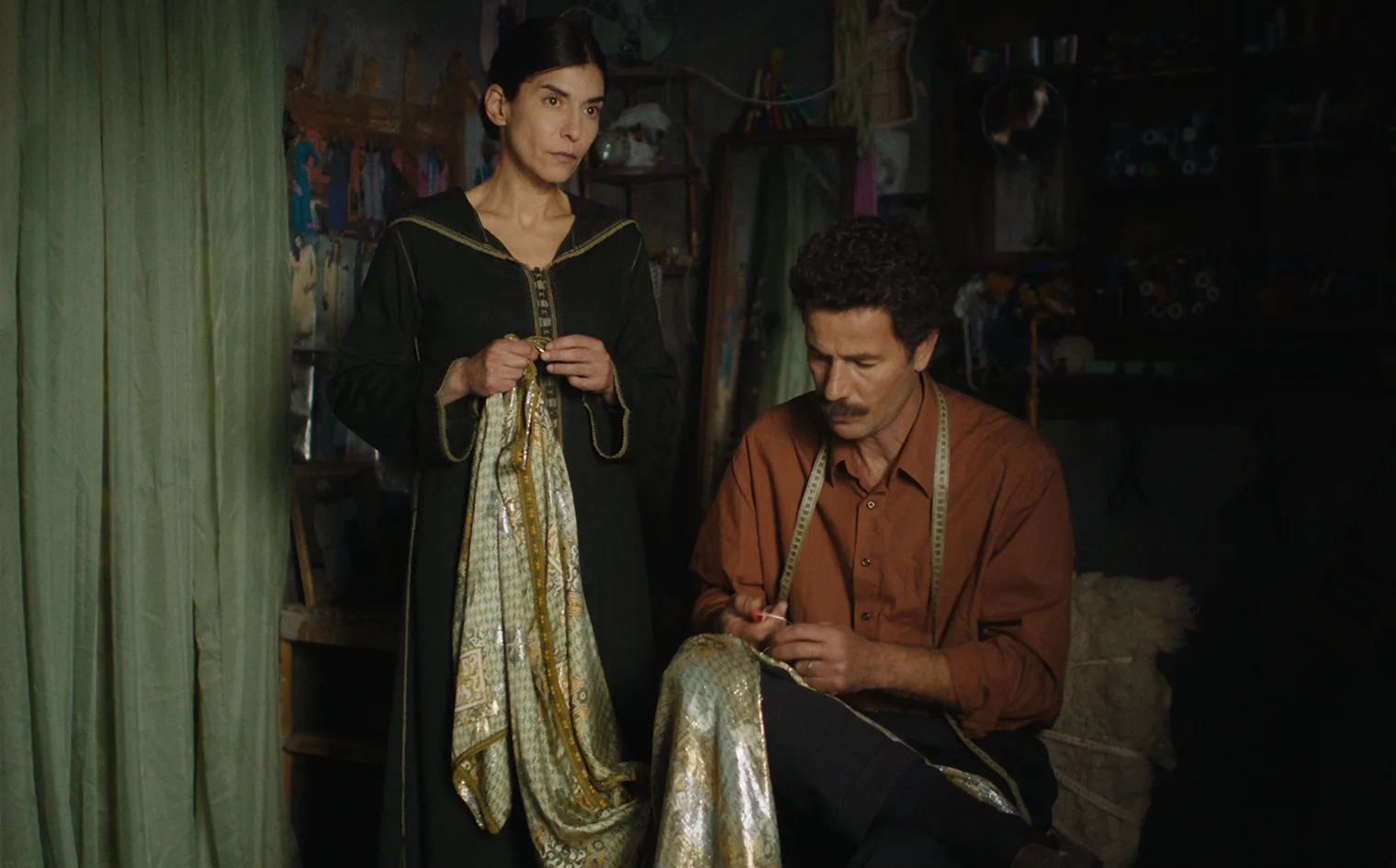
However, if you walk into any Moroccan neighborhood, you will find a different story. There is always a “khiyyat” (tailor) tucked somewhere between a pharmacy and a phone repair shop. With a steady stream of women dropping off fabrics for dresses or jellabas, the humming sound of the sewing machine is always there.
For Moroccan women, custom clothing has never been a luxury, it has always been the default.
A Moroccan woman does not buy a caftan off a rack, she chooses the fabric, she chooses the trim, she decides exactly the type of design she wants, then she brings it to someone who has been doing this since they were a teenager.
The tailor is not a luxury service, they are a neighborhood fixture, as essential as the baker or the hammam.
Ready-to-wear traditional clothes exist for sure, but they rarely fit the way a piece made for your exact measurements does. For life’s major occasions such as weddings, engagements, parties, or Eid, “good enough” is just not the standard people are working toward.
It is also cultural. Clothing here is more than a product to be consumed, it is meant to be co-created. The relationship a woman has with a tailor can outlast jobs, marriages, and even cities. Women will mail fabric across continents rather than start over with a new tailor.
What is interesting is what happens when this gets exported.
When international brands discover “customization” as a premium add-on, they are charging for an experience that has been ordinary here for generations. The price tag is not what makes things exclusive in Morocco, the relationship is.
Knowing that your tailor remembers that your shoulders are slightly uneven, or that you prefer short sleeves is the kind of intimacy that no luxury brand can replicate.
Perhaps, that is the real distinction worth mentioning: luxury sells scarcity. Custom, in the Moroccan sense, sells familiarity.
As global fashion keeps rebranding personalization as premium, it is worth remembering that in places like Morocco, it was never about exclusivity, it was just how you got dressed!