Rabat – People used to reach for Vitamin C because they caught a cold, iron because the doctor had prescribed it, and fish oil because it reduces inflammation.
Supplements were treated like medicine: necessary, clinical, and not to be used unless needed or prescribed.
Today, things have changed. Supplements have switched from correcting problems to performing wellness visibly and aesthetically.
Euromonitor’s global Voice of the Consumer survey shows that 43% of people now use supplements at least weekly. It is becoming a regular habit of many.
Asia is leading the wave. Asia Pacific is the largest dietary supplement market in the world and the fastest growing in the world. Powered by high incomes, an aging population, and a cultural comfort with herbal remedies that predates western “wellness.”
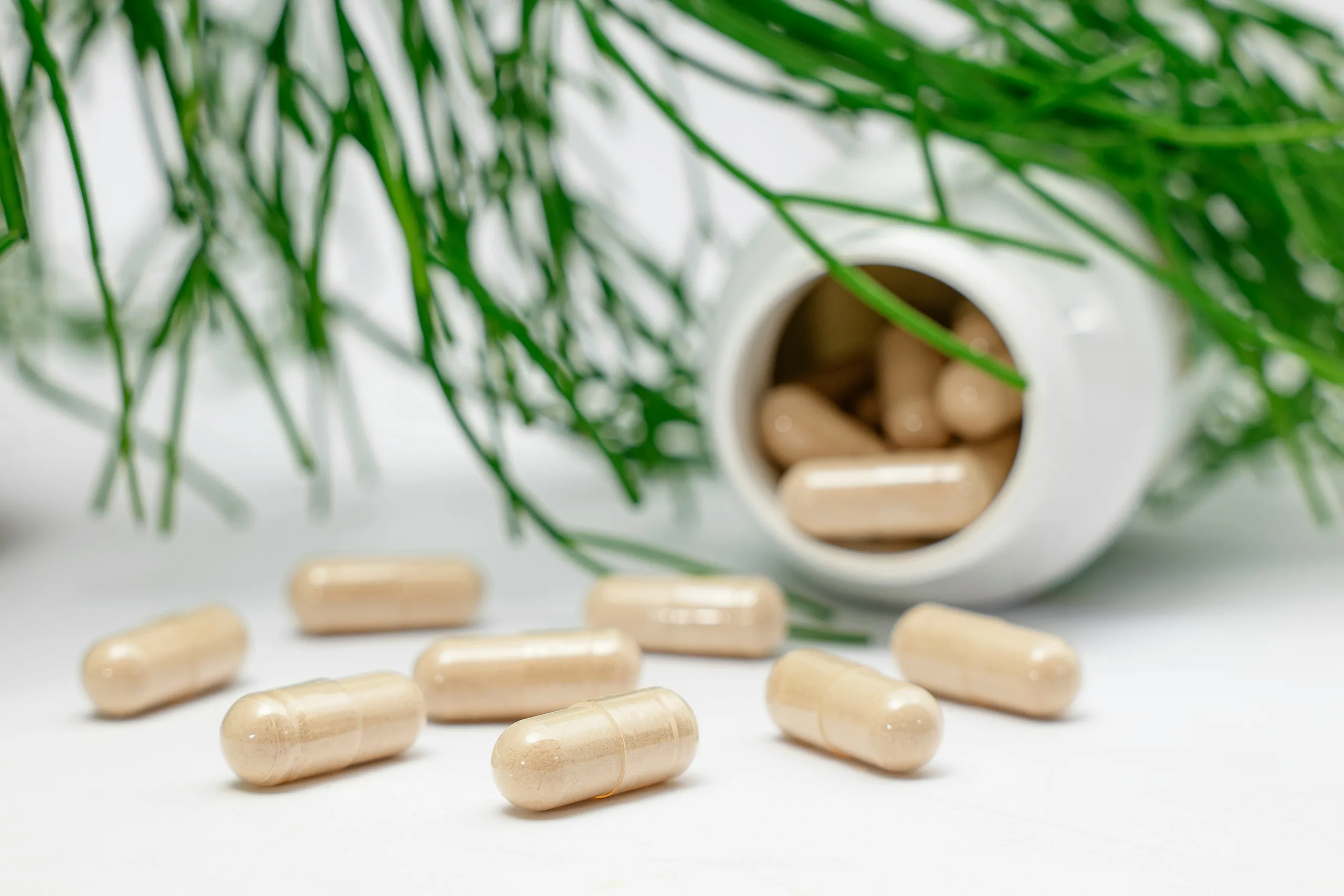
Packaging also plays a big role in this shift. Brands are moving away from pharmaceutical designs and towards brighter colors and friendlier labels that look more like skincare or snacks rather than prescriptions.
Globally, the most popular supplements are often beauty related. Beauty claims appear on one in five new dietary supplements launched, with collagen, vitamin C, and hyaluronic acid leading in terms of numbers.
However, essentially, a magnesium gummy or a vitamin C serum both serve the same emotional purpose which is a small, regular, and visible ritual that signals self care, whether it is bought in Seoul, London, or Casablanca.
The ritual is the point.
Supplements have been increasingly marketed as a long term health investment. Half of the dietary supplements launched in the past year carry a longevity claim.
Science has not been able to keep up with the constantly evolving new marketing strategies for supplements.
Quality, efficacy, and label accuracy remain consumers’ top global concerns, and a considerable share of supplements bought through unregulated online marketplaces have been found to contain contaminants or undisclosed ingredients.
This is why supplements must be bought from trusted sources only.
Still, the shift in wellness is real. It has moved from the gym to the doctor’s office to your kitchen counter. Everybody wants to have a daily health ritual and supplements provide exactly that