Fez — The 29th Fez Festival of World Sacred Music unfolded over four days as a journey through craft, sacred voice, movement, poetry, and spiritual traditions from across the world.
Held from June 4 to 7 under the theme “Fez and the Master Artisans, Guardians of Gesture and Heritage,” the festival brought more than 160 artists to four emblematic venues: Bab Makina, Jnan Sbil, Dar Adiyel, and the Batha Prefecture Hall. Its 18 performances moved between large-scale spectacle, garden concerts, intimate medina sessions, and devotional closing moments.
The festival opened at Bab Makina with “Anima Ex Materia: From Heaven to Earth,” a poetic and choreographic creation that combined all the nationalities that participated in this year’s edition; it was dedicated to Fez’s artisans. The show turned the artisan’s gesture into a visual language of creation, moving through fire, water, earth, air, silk, iron, light, and projection mapping.
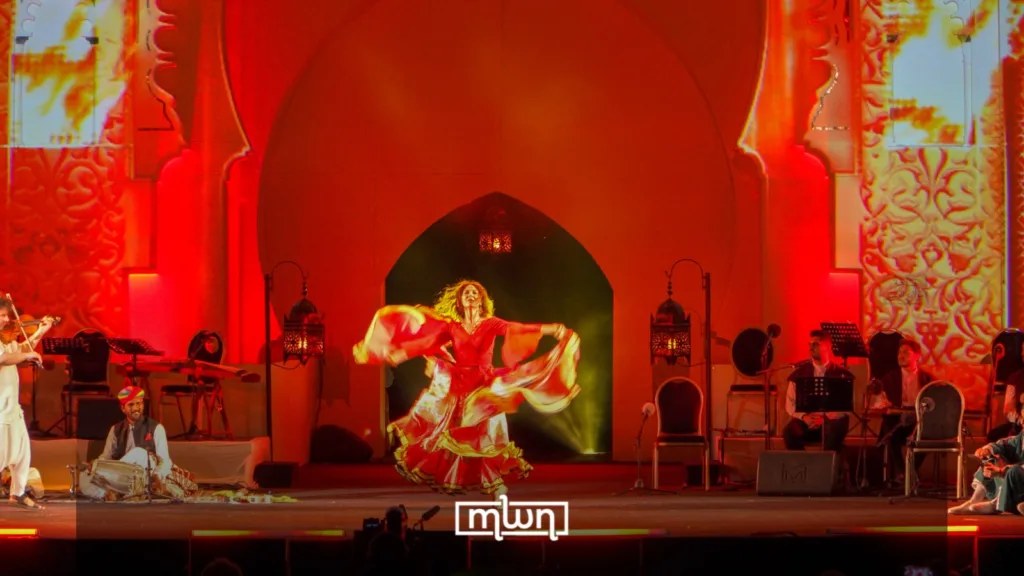
Artistic director Alain Weber shaped the opening as a story of matter becoming spirit. The performance connected Fez’s craft heritage to wider routes of knowledge, from the medina to the Orient and Asia, placing the mâalem not only as a maker, but as a guardian of memory.
Four days across Fez’s sacred stages
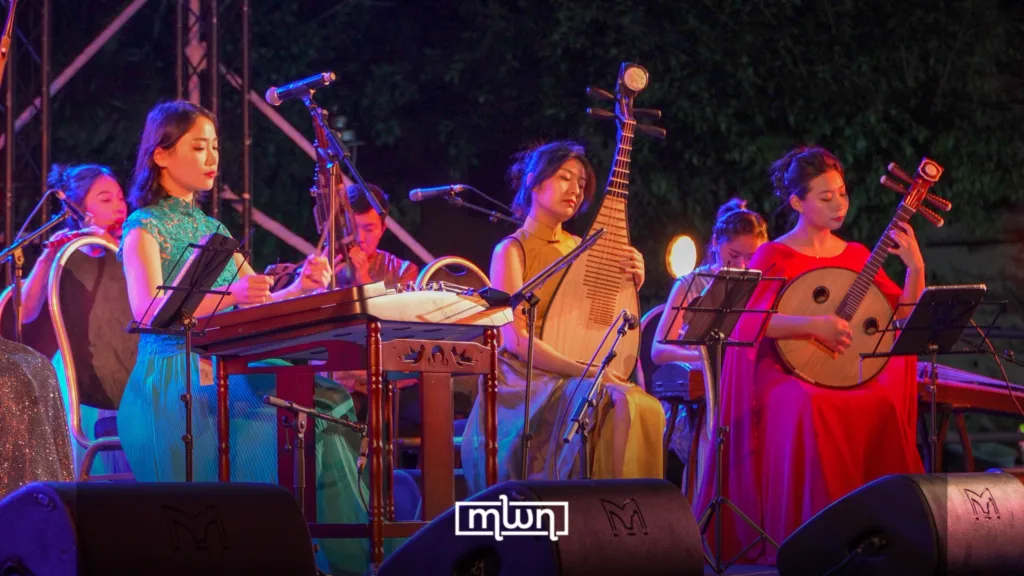
The first night continued at Jnan Sbil with the Traditional Chamber Music Ensemble of the China Conservatory of Music. After Bab Makina’s scale and ceremony, the garden offered stillness and refinement, bringing Chinese musical tradition into an open-air setting shaped by trees, water, and night light.
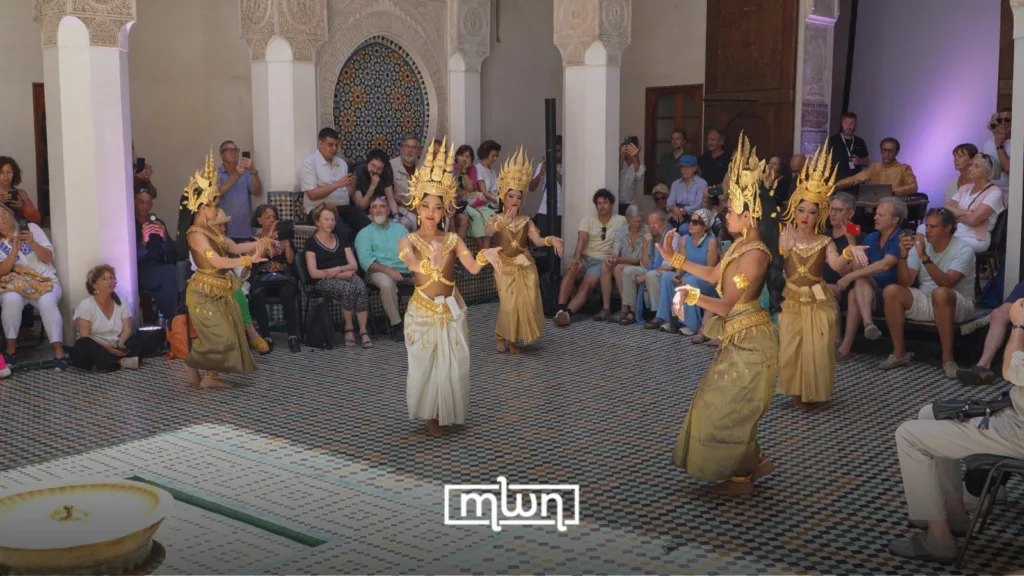
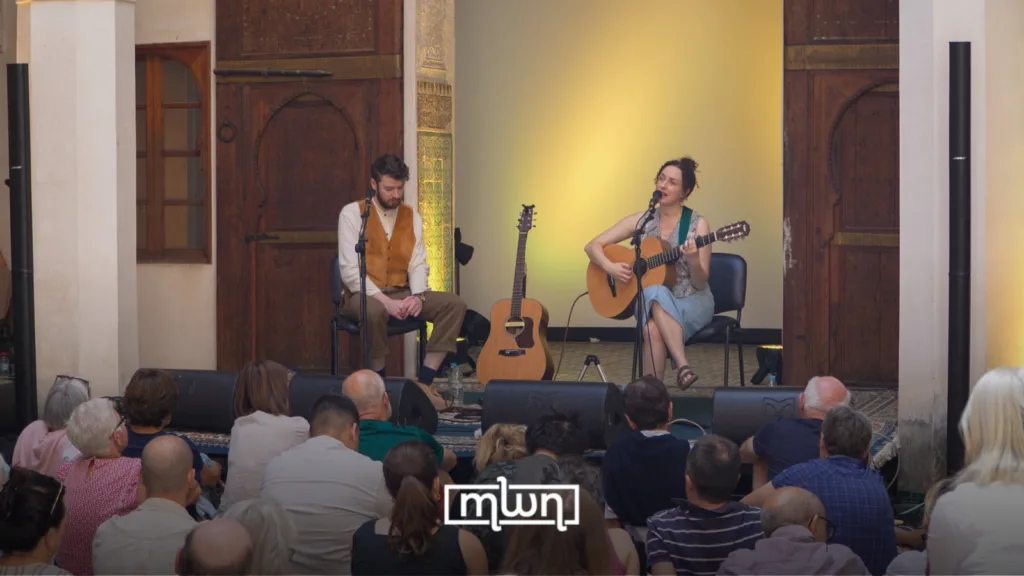
Day two opened at Dar Adiyel with Irish singer Niamh Bury, whose folk music brought storytelling, tenderness, and Dublin’s living tradition into one of the medina’s most intimate venues. The same space later hosted “Incarnation,” where Khmer sacred dance from Cambodia met Mathias Delplanque’s sound creation in a performance between statue, body, stillness, and movement.
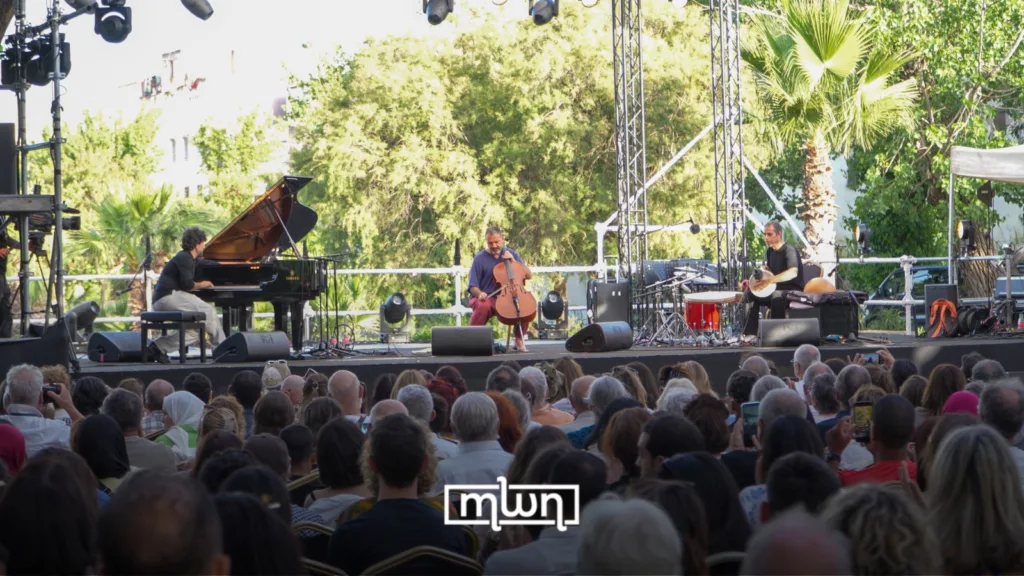
Jnan Sbil carried the second day into Central Asian and Eastern traditions with the Qulansaz Ensemble from Kazakhstan, followed by “L’Antidote,” a trio bringing together Bijan Chemirani from Iran, Rami Khalifé from Lebanon, and Redi Hasa from Albania.
The evening returned to Bab Makina with “Hymns: Women’s Voices of East and West,” featuring Ghada Shbeir, Nabyla Maan, Kaushiki Chakraborty, Kat Frankie & B O D I E S, and Ahwach Isaffen from the High Atlas.

Nabyla Maan gave that evening a strong Moroccan presence, carrying local emotion into a broader vocal dialogue with the Arab world, India, Europe, and the Atlas mountains.
Day three deepened the festival’s meditative mood. Dar Adiyel hosted “Seasons of the Inner World: Ragas and Tagore” with Pandit Shyam Sundar Goswami, followed by two performances of “Incarnation.”
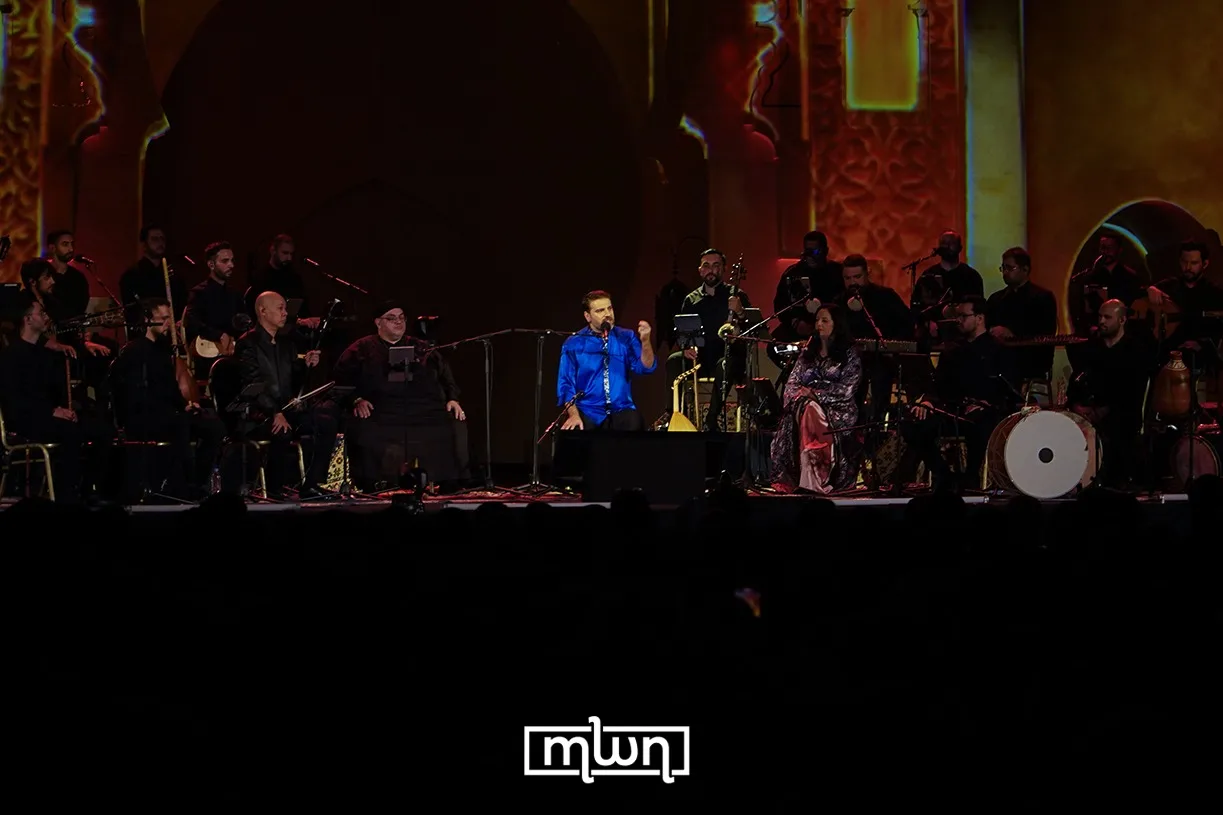
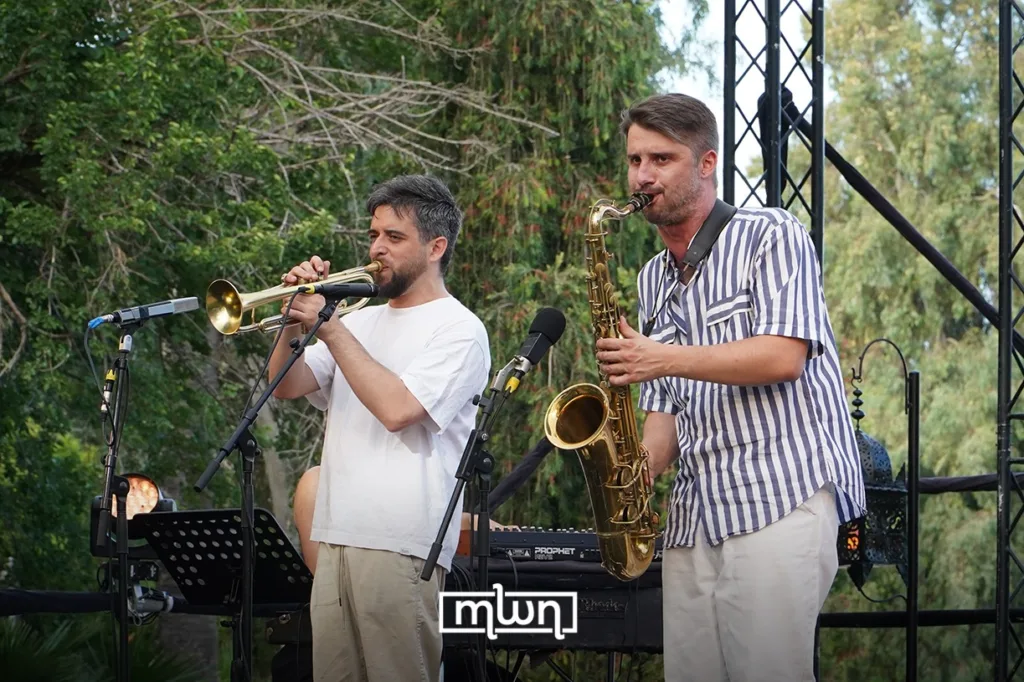
Jnan Sbil then shifted toward modernity with Léon Phal’s “Stress Killer,” before Bab Makina welcomed Sami Yusuf for a concert rooted in Eastern spirituality, meditation, and mystical beauty.
The night continued at Jnan Sbil with Pakistani singer Sanam Marvi, who brought Sufi chant and ecstatic vocal tradition into the garden’s late-night atmosphere.
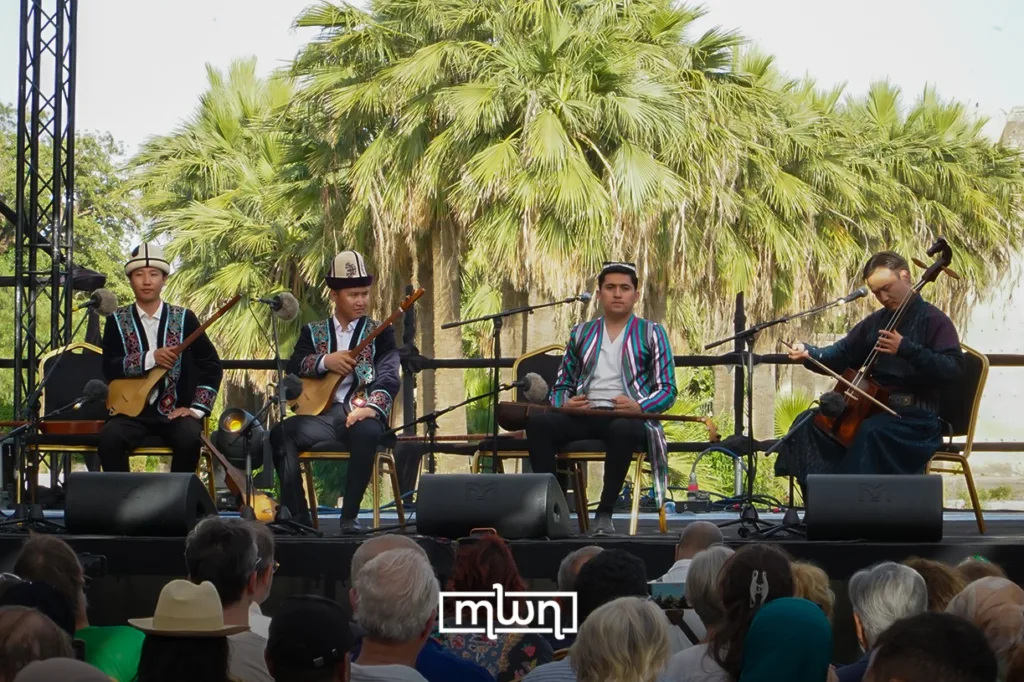
The final day opened at Dar Adiyel with “Mystical Tarab,” featuring Jasser Haj Youssef from Tunisia and Yahya Hussein Abdallah Bihaqi from Tanzania. Jnan Sbil later hosted “Songs of Mountains and Steppes,” connecting Mongolia, Uzbekistan, and Kyrgyzstan through the figure of the poet, bard, and seer of Central Asia.
The festival closed at Bab Makina with “Sami Yusuf and the Night of Samaa,” bringing Yusuf together with the Konya Metropolitan Sufi Music Ensemble from Turkey and major Moroccan voices. Nabyla Maan also accompanied Sami Yusuf during several songs, adding a Moroccan vocal layer to the closing night’s devotional atmosphere.

Across the four days, each venue shaped the experience differently. Bab Makina gave the festival scale and ceremony. Jnan Sbil gave it breath and nature. Dar Adiyel gave it intimacy and close listening. Batha added the weight of Fez’s cultural memory.
The 2026 edition stayed close to its theme from beginning to end. It began with the artisan’s hand and closed with sacred voice, showing heritage not as something frozen, but as something sung, danced, shaped, remembered, and renewed before an audience willing to listen.