Tangier – Moroccan heritage is taking center stage as the MATA International Equestrian Festival returns for its 14th edition, kicking off on June 12 and running through June 14.
Rooted in ancestral traditions that feel worlds away from modern stadium sports, the festival brings together adrenaline, spirituality, and rural memory in one continuous cultural space.
At its heart is the MATA, an ancient equestrian game preserved for centuries by the Jebala tribes of northern Morocco, within the spiritual and historical landscape associated with the sanctuary of Moulay Abdessalam Ibn Mashish.
A major figure in Moroccan Sufism, Ibn Mashish is not only a historical reference but a symbolic presence in the region, where heritage is transmitted through ritual practice, collective memory, and lived tradition.
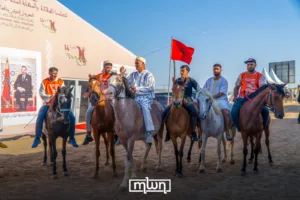
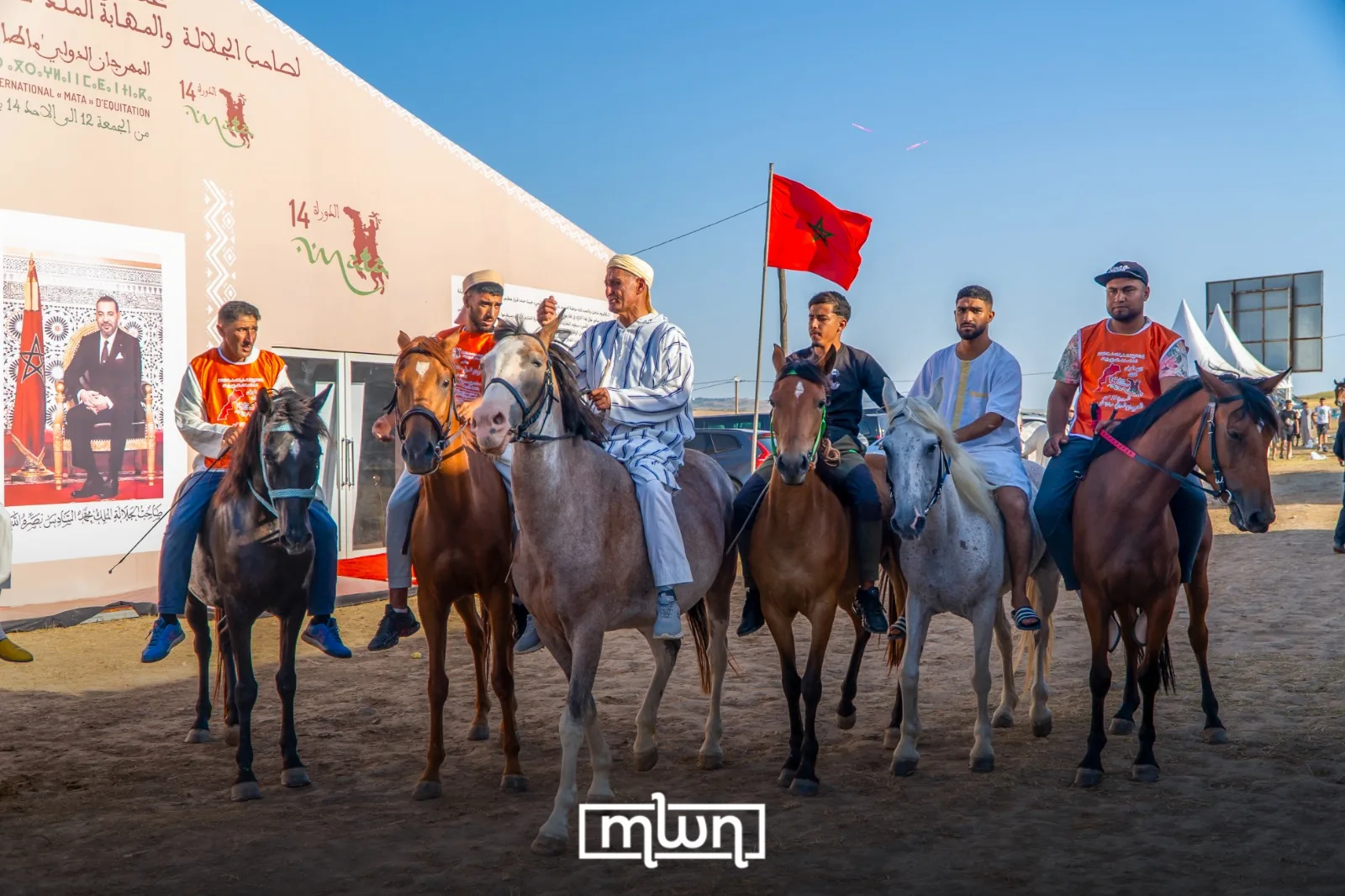
The game itself is as demanding as it is symbolic. Cavalry teams compete bareback, dressed in traditional attire, in a fast-paced race where the objective is to seize the MATA doll and cross the final line holding it.
What appears as a competition is also a demonstration of endurance, coordination, and the deep bond between rider and horse.
This edition carries a broader cultural framing under the theme: “MATA celebrates half a century of economic, cultural, and spiritual influence of the Moroccan Sahara Provinces.”
The theme situates the festival within a wider national narrative of continuity and development, linking cultural heritage to Morocco’s long-term economic and social transformation in its southern provinces, while also highlighting their role in shaping spiritual and cultural identity across the country.
Within this context, the festival’s theme extends beyond symbolism, positioning cultural heritage as part of a broader discourse on unity, memory, and national belonging.
From the moment the festival opens its doors, the grounds take on the atmosphere of a cultural village in motion.
The first spaces to activate are the exhibition areas, where craftsmanship and traditional know-how are presented side by side with products arriving not only from surrounding regions, but also from other Moroccan cities and international participants.
The diversity of exhibitors gives the site an open, cross-cultural dimension where heritage is shared rather than contained.
As visitors move through these spaces, the rhythm of the day builds naturally toward the official inauguration.
The opening ceremony marks the formal launch of the 14th edition, with institutional addresses setting the tone for the festival before the introduction of participating equestrian teams.
Beyond the race, what stands out is how seamlessly the festival operates as both spectacle and cultural encounter.
Music, craftsmanship, and social exchange circulate around the equestrian field, reinforcing the idea that MATA is not a staged tradition but a living one, continuously shaped by those who participate in it.