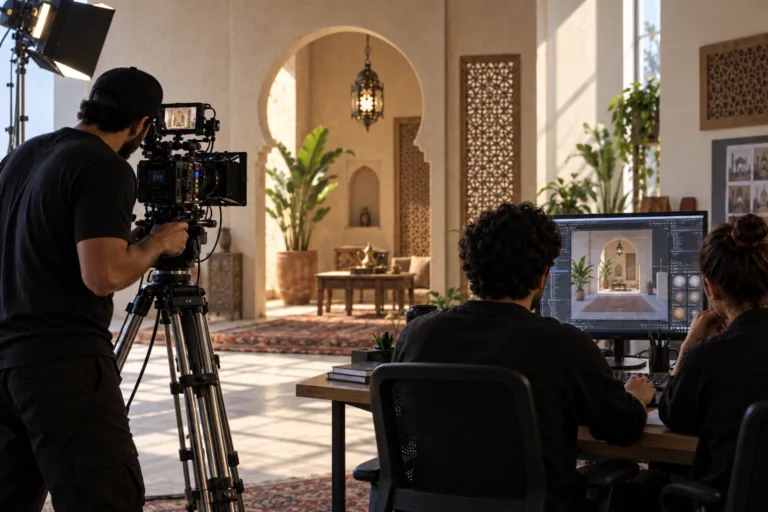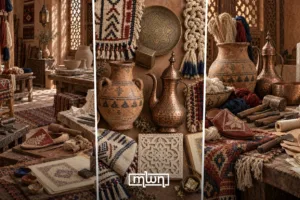
Fez — For years, Moroccan craft tourism largely ended at the cash register.
Visitors walked through souks, admired rugs, pottery, leatherwork, and zellige, then packed a finished object into their luggage.
A growing travel trend is changing that relationship.
Now, craft retreats are attracting travelers who want to spend hours, or even days, learning directly from artisans rather than simply shopping from them.
Recent travel coverage by CN Traveller has identified hands-on craft retreats as an expanding tourism niche, with Morocco among the destinations drawing attention.
People increasingly want to understand the human process behind what they buy.
From watching artisans to working beside them
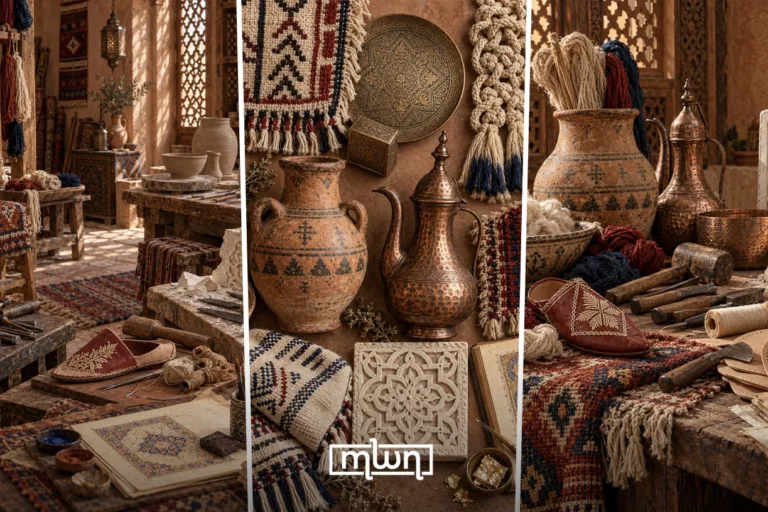
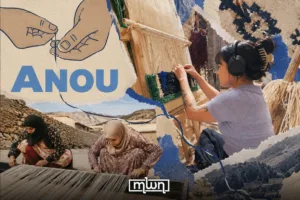
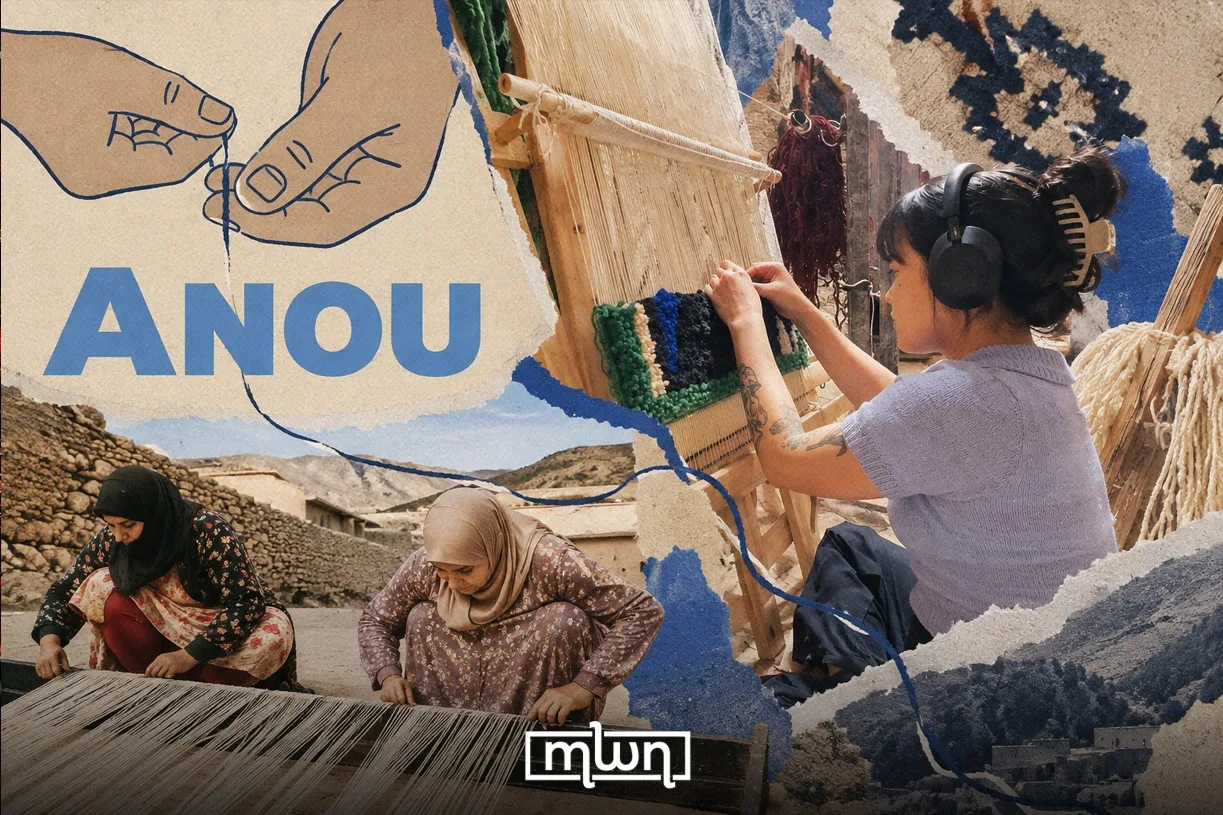
In Fez, artisan-led workshops now allow travelers to learn weaving, wool spinning, and natural dyeing.
Anou offers experiences ranging from half-day introductory workshops to week-long immersive residencies.
Elsewhere, specialized trips are becoming much longer.
A 2027 Marrakech weaving retreat includes souk visits, yarn dyeing, and hands-on carpet weaving inside a rural village. The trip is already full and operating a waiting list.
Another five-day retreat in the Ourika Valley combines pottery instruction from local artisans with studio time and stays in the Atlas Mountains.
Several of its upcoming sessions are already sold out.
Other itineraries offer zellige, carved plaster, jewelry, pottery, and decorative painting.
The result is a different kind of souvenir: something the traveler helped make.
But who benefits from the trend?
The growth of craft travel also raises a more serious question.
A new documentary, “Handmade Future,” follows artisans in six countries, including women rug weavers in Morocco’s Atlas Mountains.
The film examines how traditional makers preserve inherited knowledge while navigating middlemen, global markets, and pressure from cheap mass production.
That tension matters when craft becomes a travel experience.
A workshop can create direct income and appreciation for artisans. Poorly designed tourism can also turn living traditions into performances while most revenue goes elsewhere.
The strongest model therefore does more than let visitors pose beside a loom.
It puts the person carrying the knowledge at the center of the experience.
Morocco has always sold beautiful handmade objects. Craft tourism suggests more travelers now want the story, technique, and human connection behind them too.